

You found a supplier with an amazing price, but now you're drowning in problems. Defects, delays, and angry customers are eating up your time and profits, making that "great deal" feel very expensive.
Dealers pay more for suppliers who reduce total operational risk1. The higher price is an investment in reliability2, consistency, and responsive support3, which generate greater long-term profit than a low initial purchase cost.
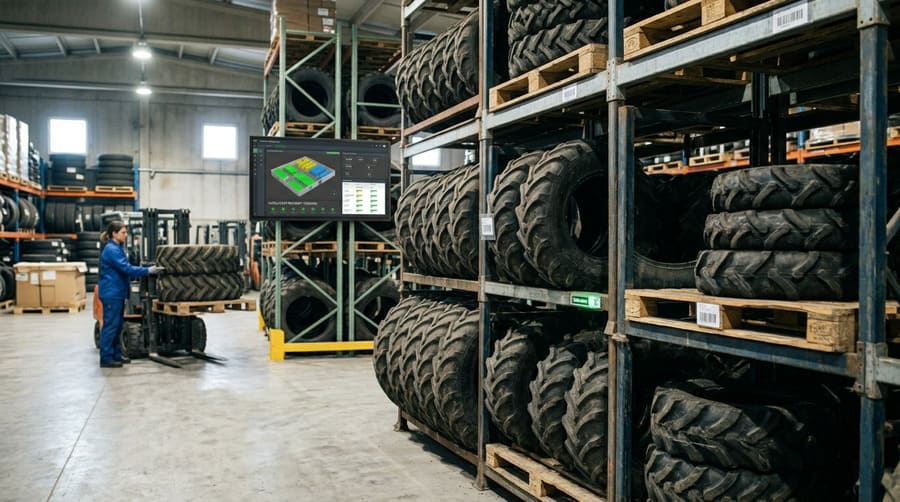
I learned this lesson the hard way. Early in my career, I was obsessed with unit price. I found a factory that offered pivot tires for 15% less than anyone else. I placed a huge order, thinking I had secured a massive win. But the "win" quickly turned into a nightmare. The first container was a month late. When it finally arrived, about 10% of the irrigation tires had cosmetic defects. The real pain started when customers called to complain about inconsistent sizing. I spent more time apologizing and handling returns than I did selling. That 15% I "saved" was wiped out many times over by lost sales, angry clients, and the damage to my reputation. It taught me that the price on the invoice is only a small part of the true cost.
Why Does a 'Good Price' Often Cost You More?
You got a great price on your last tire order, but your team is exhausted. They're spending all their time handling customer complaints4 about quality and chasing down information.
A low purchase price often hides significant "effort costs5." The time spent managing defects, dealing with after-sales issues, and reassuring upset customers represents a real financial drain that a slightly more expensive, reliable product avoids.
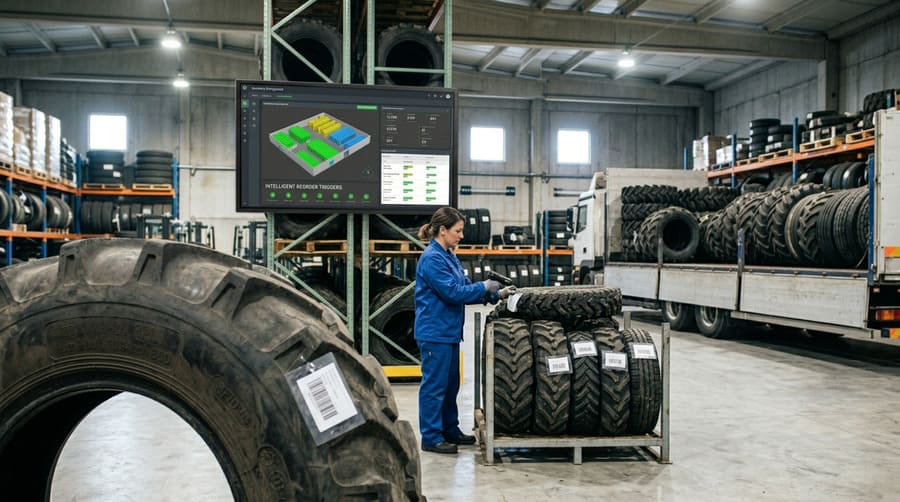
Experienced dealers don't just look at the price tag; they calculate the total effort required to get a product from their warehouse to a happy customer. A cheap tire that generates problems is a massive time sink. Think about the hidden costs6. Your salesperson has to spend an hour calming down an angry farmer instead of finding new leads. Your warehouse manager has to process a return instead of organizing new shipments. You have to spend your own time in damage control. These are all hours that could have been used to grow the business. A supplier who delivers a flawless product, time after time, eliminates this friction. Paying a bit more for that reliability isn't an expense; it's buying back your team's time and protecting your brand's reputation, which are your most valuable assets.
Breaking Down the "Total Cost of Effort"
| Cost Factor | Low-Price, High-Trouble Supplier | Premium-Price, Low-Trouble Supplier |
|---|---|---|
| Purchase Price | Low | Higher |
| Sales Team Time | High (Handling complaints, apologies) | Low (Focused on new sales) |
| After-Sales Support | High (Processing returns, warranties) | Minimal (Product works as expected) |
| Management Overhead | High (Solving supplier-created problems7) | Low (Focused on strategy) |
| Reputation Impact | Negative (Seen as unreliable) | Positive (Seen as a quality provider) |
| Real Profitability | Low | High |
How Does Unstable Delivery Destroy Your Profit?
Your supplier promised a 45-day lead time, but it's now day 70 and you have nothing. Your customers are canceling orders, and you're forced to buy locally at a premium to save deals.
Unpredictable delivery erases any savings from a low price. It prevents effective planning, destroys cash flow, and forces you into expensive emergency purchases, directly wiping out your profit margins and damaging customer trust.
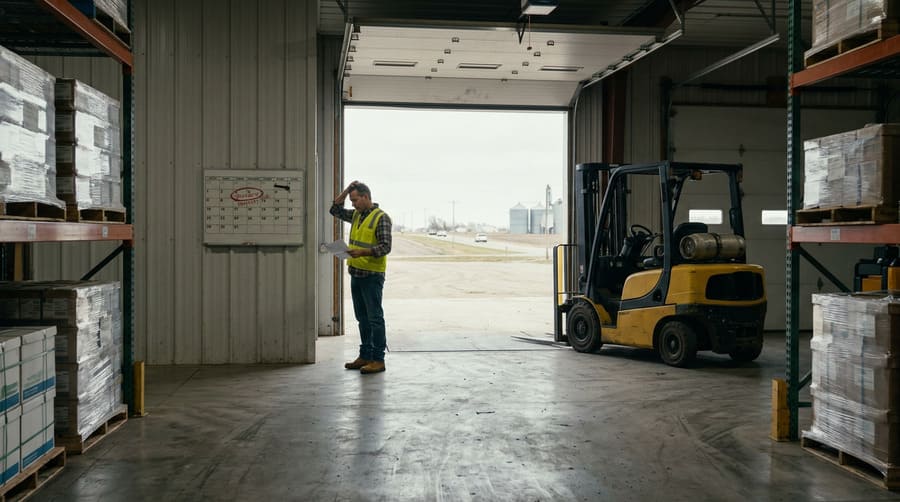
Profit in the irrigation tire business is made through planning. You need to order stock in time for the planting and growing seasons. You plan marketing campaigns and cash flow around expected arrival dates. When a supplier is unstable, all of that planning becomes worthless. I once had a supplier who was consistently late. One time, a large shipment meant for the spring planting rush didn't arrive until mid-summer. I had to turn away longtime customers and watch them go to my competitors. To save a few key accounts, I had to buy tires from a local source at nearly double the cost, completely erasing my margin. A stable, predictable lead time is not a "nice-to-have"; it's a fundamental requirement for a profitable business. A reliable supplier who delivers on time, every time, gives you the power to manage your business effectively, making them far more profitable in the long run.
What Makes You Confident Enough to Recommend a Brand?
You have a choice of several brands to offer a client. Do you push the one with the biggest margin, or the one you know, without a doubt, will perform perfectly?
Confidence comes from consistency. When every irrigation tire in every shipment performs exactly as expected, a dealer can recommend and stock that brand without hesitation. This confidence translates directly into larger orders and stronger sales.

As a dealer, your reputation is built on the products you recommend. If you sell a customer a set of tires that fails prematurely, it doesn't just reflect on the manufacturer—it reflects on you. This is why product consistency is so powerful. When I work with a supplier like Gescomaxy, I know that the tire quality in the tenth container will be identical to the quality in the first. This consistency removes risk. It gives me the confidence to go to my biggest clients and say, "This is the brand you need." I don't have to cross my fingers and hope the quality is good on this batch. I know it will be. This confidence changes how you do business. You're willing to hold more stock, promote the brand more aggressively, and make it a core part of your offering. You're no longer just a reseller; you become a true partner with the brand, and your sales reflect that deep level of trust.
What Really Defines a Reliable Supplier in a Crisis?
Your shipment is stuck in customs, and a major client needs their irrigation tires by Friday. You call your supplier. What happens next is the true test of your partnership.
A supplier's reliability is defined by their responsiveness in a crisis. When things go wrong, a reliable partner acts with urgency and transparency to solve the problem, while a poor supplier disappears or deflects blame.

Anyone can look good when things are going smoothly. The true character of a supplier is revealed when there's a problem. I've seen both sides. I had a shipment delayed due to a documentation error. I called one supplier, and they took three days to email back a one-sentence reply: "This is a customs issue, not our fault." They left me completely exposed. I called Gescomaxy about a similar issue a year later. Within an hour, their logistics manager was on a call with me and the freight forwarder. They worked overnight to provide the necessary paperwork and kept me updated every few hours. They treated my problem as their problem. That's the difference. Responsiveness isn't just about fast email replies. It's about ownership, urgency, and a commitment to partnership. That level of support is priceless because it protects you when you are most vulnerable.
Conclusion
Paying more for a supplier isn't a cost; it's an investment in peace of mind and long-term profitability. Ease of cooperation, stability, and consistency are the real drivers of value.
Understanding total operational risk helps you choose suppliers that enhance reliability and long-term profitability. ↩
Investing in reliability ensures consistent product quality and delivery, safeguarding business growth. ↩
Responsive support in a crisis showcases a supplier's reliability and commitment to partnership. ↩
Handling customer complaints can drain resources and time, affecting overall business profitability. ↩
Effort costs can drain resources and time, making it crucial to understand their impact on business efficiency. ↩
Exploring hidden costs reveals why seemingly cheap products can lead to higher overall expenses. ↩
Supplier-created problems can lead to increased management overhead and reduced profitability. ↩