

You've spent years building your business around premium brands, trusting their reputation to attract customers. But now, even the biggest names can't deliver, leaving you with empty shelves and angry customers.
Because in a volatile market, consistent product availability1 has become more valuable than brand prestige. The real power now lies with suppliers who can control their own supply chain, ensuring you actually have tires to sell, week after week.
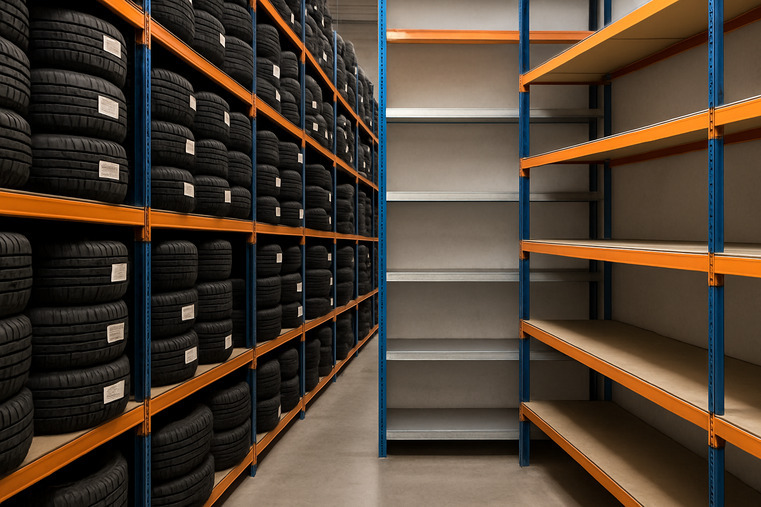
I met a dealer a while back who exclusively sold a top-tier European tire brand. He saw them as invincible, a cornerstone of his business. Then a major logistics crisis2 hit, and his orders were delayed by six months. He lost nearly half his long-term customers to a local competitor who was selling a lesser-known but consistently available brand. That dealer learned a painful lesson: you can't sell a brand name if the product isn't on the shelf. This fundamental shift from brand prestige to supply reliability is changing the entire market, and you need to understand why.
Is Your Famous Brand Name Becoming Your Biggest Liability?
You've always trusted big brands to protect your reputation and guarantee sales. But when they can't supply you, that famous brand name becomes a hollow promise, damaging your credibility with every missed delivery.
Yes, because when raw material shortages3 and logistical chaos strike, brand value cannot fill an empty order. Supply stability is the new protective moat. "Reliable availability" is now the key differentiator that truly protects your business and keeps your customers happy.
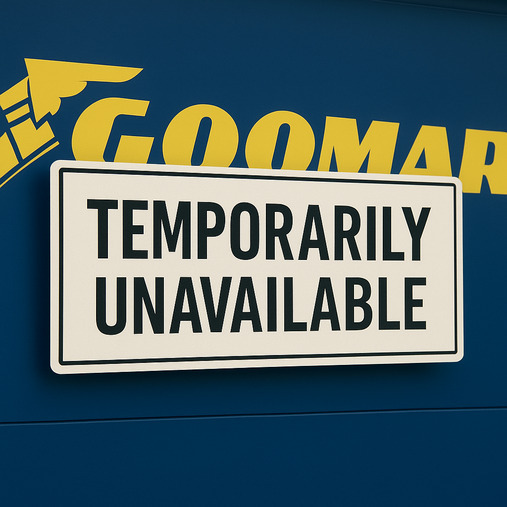
For years, the game was simple. You aligned with a big brand, and their multi-million dollar marketing campaigns did the heavy lifting. Customers came in asking for that brand by name. But that model relied on a stable world. Today, the market is defined by instability. A geopolitical conflict can halt the supply of a key chemical, or a shipping crisis can leave containers stranded at sea for months. In this environment, a customer with a tractor down in a field doesn't care about a brand's racing heritage; they care about getting a replacement tire today. The dealer who can provide that replacement becomes the new hero. "Reliable availability" is no longer a boring logistical term; it's the most powerful brand attribute you can have. It signals to your customers that you are the one they can count on when things get tough.
The Shift in Market Value
| Market Focus | Old Model (Brand Prestige) | New Model (Supply Control) |
|---|---|---|
| Key Differentiator | Marketing & Brand History | Consistent Availability & Delivery |
| Customer Value | Perceived Quality & Status | Operational Uptime & Reliability |
| Dealer's Priority | Aligning with a "Winner" Brand | Securing a Dependable Partner |
| Primary Risk | Price Competition | Stock-Outs & Business Disruption |
Are You More Afraid of High Prices or Empty Shelves?
You hate seeing price increase notifications from your suppliers. They squeeze your margins and create difficult conversations with customers. But what's actually worse? A 5% price hike, or telling a desperate customer you have nothing to sell them for the next three months?
You should be far more afraid of empty shelves. Dealers consistently find that stock-outs4 and business disruption5 cause much more financial and reputational damage than a temporary loss of margin from higher prices. You can survive a price increase; you can't survive having nothing to sell.

The fear of a stock-out is what keeps good dealers up at night. A price increase is a math problem; you can adjust your own pricing, run a promotion, or absorb a small hit. It's manageable. A stock-out is a relationship problem. It's telling a loyal customer you can't help them. That customer doesn't just wait; they call your competitor. And once they find a new, reliable source, you may never get them back. This is why smart buyers are looking deeper into their suppliers' operations. They are asking about vertical integration6. A factory that controls more of its own raw material processing, like mixing its own rubber compounds, has a powerful shield against market shocks. They can manage costs better and, more importantly, maintain production when others have to stop. Partnering with such a supplier gives you the ultimate competitive advantage7: confidence that you will have tires to sell, no matter what.
Conclusion
The power in the tire market is shifting from well-known brand names to those who control their supply chain. Reliable availability is the new brand, and it is the key to your future success.
---Understanding the significance of consistent product availability can help you adapt your business strategy effectively. ↩
Learning about logistics crises can prepare you for potential disruptions and help you mitigate risks. ↩
Understanding raw material shortages can help you anticipate challenges and secure your supply chain. ↩
Discovering the impact of stock-outs can guide you in maintaining inventory and customer satisfaction. ↩
Learning about prevention strategies can help you safeguard your business against unexpected challenges. ↩
Understanding vertical integration can provide insights into building a more resilient supply chain. ↩
Exploring competitive advantage strategies can help you position your business for long-term success. ↩