
You're trying to grow your tire business. You wonder where to focus your energy: securing large OEM contracts or competing in the massive, fragmented aftermarket?
The real growth comes from a balanced strategy1. The aftermarket drives the most volume, but OEM partnerships2 create essential long-term stability and brand credibility3 that feeds future replacement sales.
Early on, I made the mistake of chasing only large-volume aftermarket deals. The margins were good, and the sales cycle was fast. But the business was unpredictable, with big swings from month to month. Then, we landed our first small OEM contract. The volume wasn't huge, and the margins were tighter, but it changed everything. Suddenly, we had a baseline of predictable orders every single quarter. More importantly, after a few years, distributors4 started telling me, "Hey, farmers are asking for your brand by name because it was the original tire on their equipment." That's when I understood. The two markets aren't separate; they feed each other. Focusing on just one is leaving half the opportunity on the table.
Why Does the Aftermarket Still Drive the Most Volume?
You see the appeal of large, single OEM contracts. You wonder why you should bother with the competitive, chaotic aftermarket which seems to have smaller, less consistent orders.
The aftermarket is dominant because every irrigation system ever sold will need multiple sets of replacement tires. The sheer number of existing machines creates a massive, constant demand base that dwarfs new equipment sales.
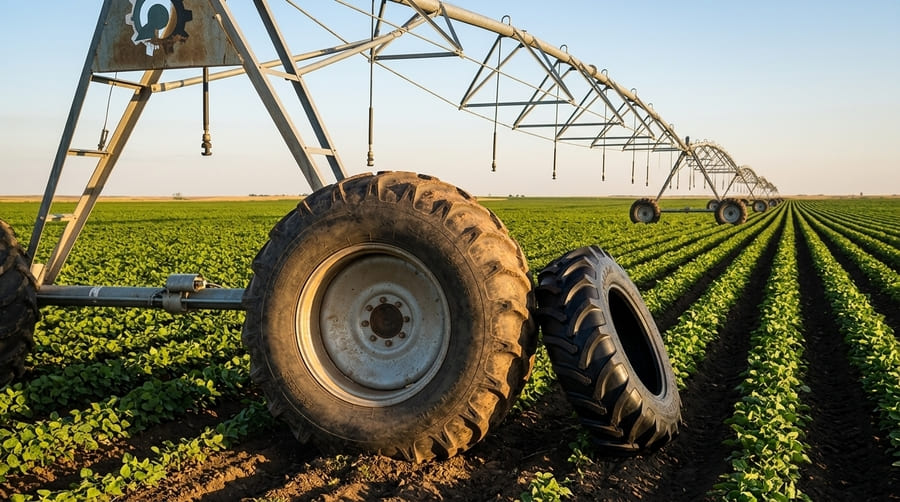
Think about the lifecycle of a center pivot irrigation system. A manufacturer might sell one new system today. That's one sale of OEM tires for you, if you have the contract. But that same system will likely operate for 20 years or more. During its lifespan, it might need its tires replaced every 4-7 years, depending on use and conditions. This means one machine creates a demand for three, four, or even five sets of replacement tires. Now multiply that by the millions of irrigation systems already operating in fields around the world. The replacement market5 is an enormous, built-in source of recurring revenue. While OEM contracts are great for stability, the aftermarket is where the consistent, high-volume sales are. It's the bread and butter of the industry, and it's why having a strong presence with distributors4 is non-negotiable for growth.
| Market Segment | Sales Cycle | Volume Driver |
|---|---|---|
| OEM (Original Equipment) | One-time sale per machine | Number of new systems built |
| Aftermarket (Replacement) | Recurring every 4-7 years | Total number of systems in operation |
| 20-Year Machine Lifespan | 1 OEM tire set sale | 3-5 aftermarket tire set sales |
How Do OEM Partnerships Create Long-Term Stability?
Landing an OEM contract seems difficult and low-margin. You question if the huge effort to meet their strict quality requirements is truly worthwhile for your business's bottom line.
OEM partnerships2 provide a foundation of predictable, guaranteed demand. This stabilizes production schedules and, more importantly, acts as a powerful quality endorsement that builds brand trust and drives future aftermarket sales.
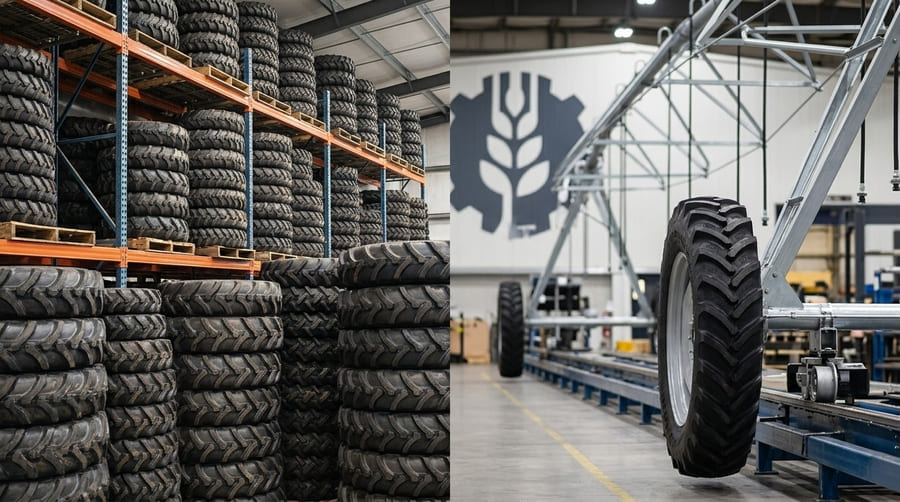
While the aftermarket has the volume, OEM business is what gives you stability and credibility. When a major equipment manufacturer chooses your tire, it's a powerful statement. They've audited your factory, tested your product, and certified that your quality meets their high standards. This isn't just a sale; it's a third-party endorsement. This has a direct "pull-through" effect on the aftermarket. When a farmer needs to replace the tires on their machine, what's the safest and easiest choice? The same brand that the manufacturer trusted in the first place. This is how an OEM partnership from five years ago can still be generating profitable aftermarket sales for you today. At Gescomaxy, securing these partnerships is a key part of our strategy. Our 10 professional production lines and strict ISO 9001 quality control6 are not just for making good tires; they are for proving to OEM partners that we are a reliable, long-term supplier they can count on.
Is Your Online Presence Now a Key Sales Tool?
You have always relied on distributors4 and trade shows to find customers. You see competitors online, but you believe serious B2B buyers don't use Google to find industrial tire suppliers.
Yes, absolutely. A strong online presence7 is critical. Today's procurement managers and distributors4 use digital platforms8 to research suppliers, verify quality, and create shortlists long before they ever send an email or make a call.
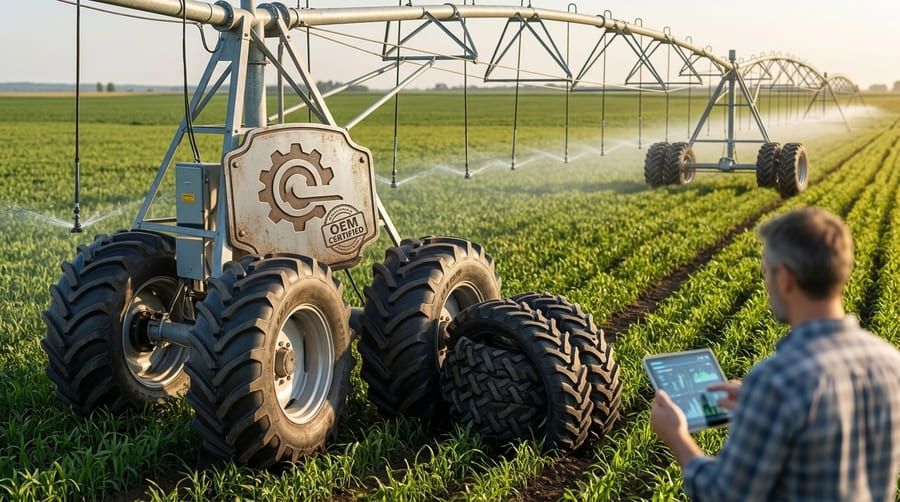
The way B2B buyers operate has completely changed. Ten years ago, a purchasing manager at a large dealership might have relied on existing relationships or industry catalogs. Today, their first step is almost always online. They use search engines and B2B portals like Alibaba to find potential suppliers. They are looking for more than just a product list. They want to see detailed specifications, download technical data sheets, and, most importantly, find proof of quality. They're searching for things like ISO certifications, case studies, and evidence of a professional manufacturing process. If they can't find this information on your website easily, you're invisible. You won't even make it onto their initial list of potential suppliers to contact. This is why investing in a clear, professional website that showcases your capabilities, like our detailed quality control process from raw materials to final inspection, is no longer a "nice-to-have." It's an essential tool for capturing the modern buyer.
How Can Service Differentiate You in a Crowded Market?
The tire market is saturated. Everyone is competing on price, and it feels like a race to the bottom. You are struggling to stand out and build real customer loyalty9.
Superior service is how you win. When products are similar, you differentiate by becoming a partner, not just a seller. Offering technical support10, flexible logistics11, and customized solutions12 creates unbeatable value.
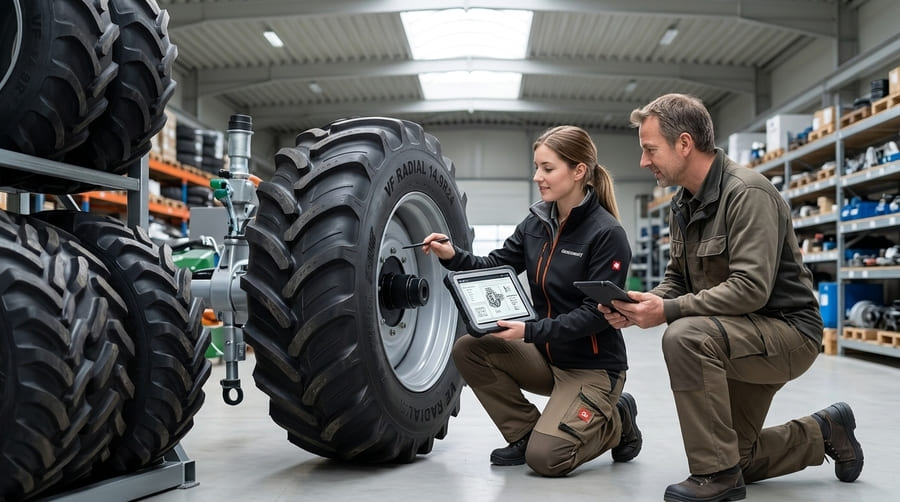
I have won and lost deals for many reasons, but I've learned that service often matters more than a few dollars on the price. Imagine a distributor in South America needs a container of tires. Supplier A has the lowest price. Supplier B's price is slightly higher, but they can mix different tire sizes in the same container, offer free rim assembly, and have a technical expert available to answer questions. Who gets the business? Supplier B, almost every time. Why? Because they are solving problems, not just selling a product. They are making the customer's life easier. This is where our 12+ years of experience gives us an edge. We've built our business around this idea. We offer container consolidation13, which saves our customers money on shipping. We have low MOQs14. We even accept customer investment in new molds for fully customized solutions12. This flexibility and support builds powerful, long-term relationships that a low price alone can never achieve.
Conclusion
True growth in the irrigation tire industry is not a choice between OEM and aftermarket. It’s a balanced strategy1 that uses both, supported by a strong digital presence and exceptional service.
Exploring balanced strategies can help you understand how to effectively grow your tire business by leveraging both OEM and aftermarket opportunities. ↩
OEM partnerships offer stability and credibility, essential for building a reliable brand and ensuring future sales. Learn how they can benefit your business. ↩
Brand credibility, built through OEM partnerships, influences customer trust and drives aftermarket sales, essential for business success. ↩
Distributors play a key role in reaching the aftermarket, ensuring consistent sales and expanding market presence for tire businesses. ↩
The replacement market offers recurring revenue opportunities, making it a vital component of a successful tire business strategy. ↩
ISO 9001 certification demonstrates high-quality standards, attracting OEM partners and building trust with customers in the tire industry. ↩
A strong online presence is crucial for reaching modern B2B buyers, showcasing quality and capabilities, and capturing new business opportunities. ↩
Digital platforms are essential for research and supplier verification, making them a key tool for attracting procurement managers and distributors. ↩
Building customer loyalty through superior service and support differentiates tire businesses, fostering long-term relationships and repeat sales. ↩
Offering technical support enhances customer service, creating value and building loyalty, which is crucial for standing out in a competitive market. ↩
Flexible logistics solutions, like container consolidation, save customers money and improve service, helping tire businesses stand out. ↩
Customized solutions address specific customer needs, enhancing service and building long-term relationships, crucial for business growth. ↩
Container consolidation reduces shipping costs and offers logistical flexibility, making it a valuable service for tire business customers. ↩
Low MOQs allow tire businesses to cater to smaller orders, increasing flexibility and attracting a wider range of customers. ↩