
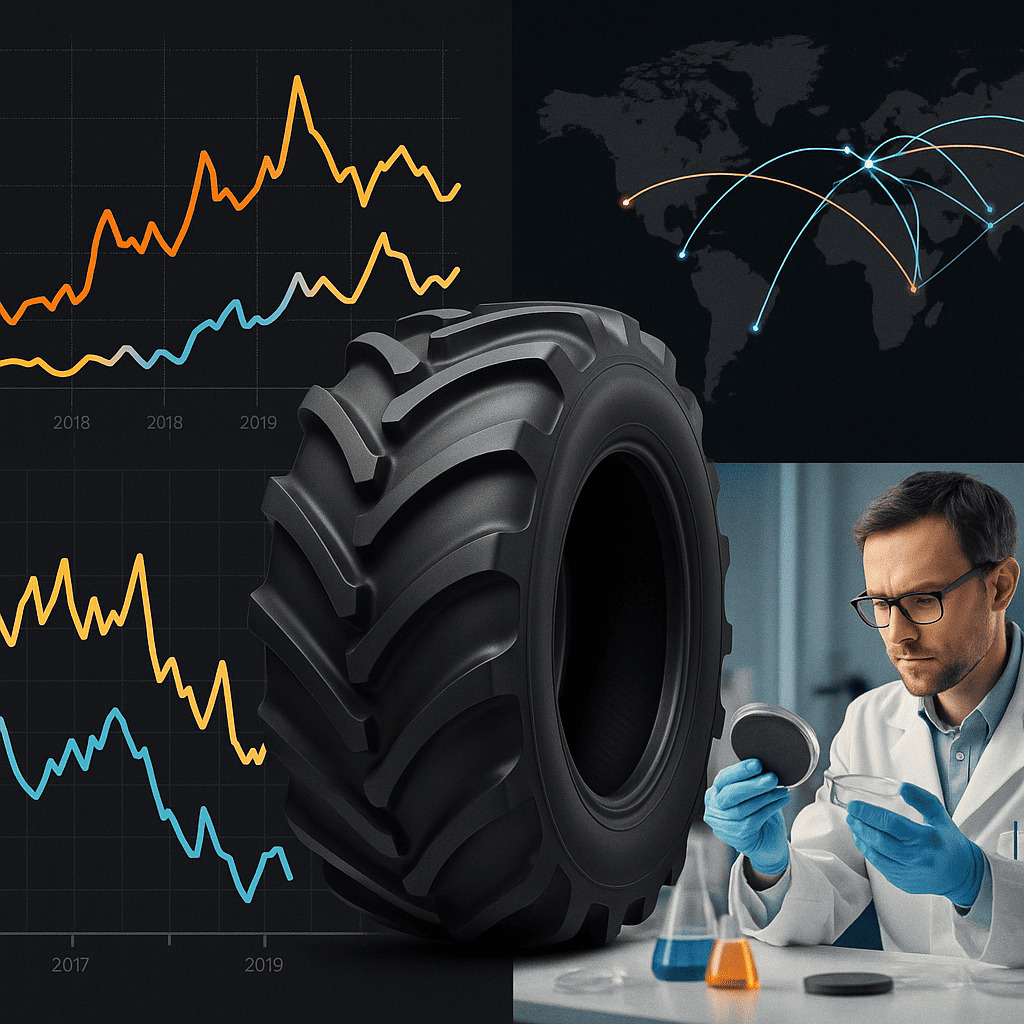
You've built your business on negotiating good prices and managing your inventory. But lately, sudden spikes in raw material costs1 are eating your margins for breakfast, turning predictable profits into a gamble.
Yes, because the speed and severity of raw material price changes have transformed cost management2 from a simple pricing issue into a major strategic risk3. Companies that don't adapt their supply chain strategy4 beyond just price negotiation5 are now facing serious threats to their long-term stability.
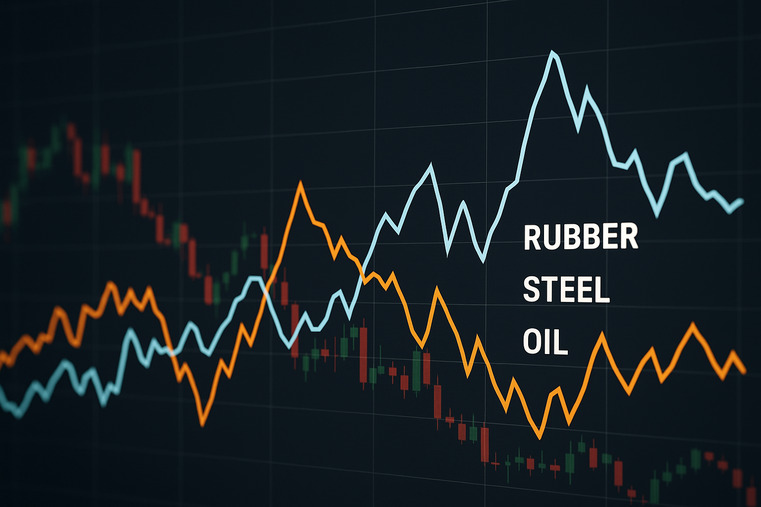
A few years back, I was talking with the owner of a mid-sized tire manufacturing plant. He was proud of the deal he had just locked in for steel cord. He’d secured a price 5% lower than his competitors. Six weeks later, his supplier defaulted due to a sudden export tariff on raw steel in their country. His production lines ground to a halt for a month while he scrambled to find a new source at a 30% premium. He won the battle on price per ton, but he lost the war on strategic supply. That experience taught me a hard lesson: the cheapest price is not always the lowest cost. Today, supply chain risk is the hidden variable that can bankrupt even the sharpest negotiators.
Are Your Profit Margins Disappearing Faster Than Ever Before?
You used to have a quarter or two to adjust your pricing when raw material costs1 went up. Now, a price alert from a supplier in Asia feels like it hits your bottom line the next week.
Yes, because price increases for key materials like natural rubber, carbon black, and steel cord now pass through the global supply chain with unprecedented speed. Products with high raw-material cost ratios6, like agricultural tires7, are the most vulnerable to this rapid profit erosion.

The "lag time" we used to rely on is gone. In the past, it could take six months for a price hike in raw rubber to be fully reflected in the cost of a finished tire sitting in your warehouse. Today, with digital commodity markets and just-in-time inventory8 systems, that lag has shrunk to weeks. This hits agricultural tires7 particularly hard. An ag tire isn't a complex electronic device with high labor and R&D costs; it's fundamentally a carefully molded assembly of bulk commodities. A much larger percentage of its final cost is tied directly to the price of its raw ingredients. When those ingredients spike, the tire's cost spikes in almost direct proportion, leaving very little buffer for manufacturers and dealers.
Product Vulnerability Breakdown
| Product Type | Raw Material Cost Ratio | Labor & R&D Cost Ratio | Vulnerability to Commodity Spikes |
|---|---|---|---|
| Agricultural Tire | High (40-50%) | Low | Very High |
| Passenger Car Tire | Medium (20-25%) | Medium | Moderate |
| Consumer Electronics | Low (10-15%) | High | Low |
This is why your ag tire margins are so exposed; they have nowhere to hide when material costs surge.
Are You Still Judging Suppliers Solely on Price Per Ton?
You’ve always focused on negotiating the best possible unit price from your suppliers. It seems like the most direct way to control costs. But what if this focus is blinding you to a much bigger threat?
You shouldn't be. The smartest companies no longer evaluate cost purely by "price per ton" but by assessing "material structure risk9." This new approach prioritizes the stability and diversity of your material sources over getting the absolute lowest price from a single, high-risk supplier.
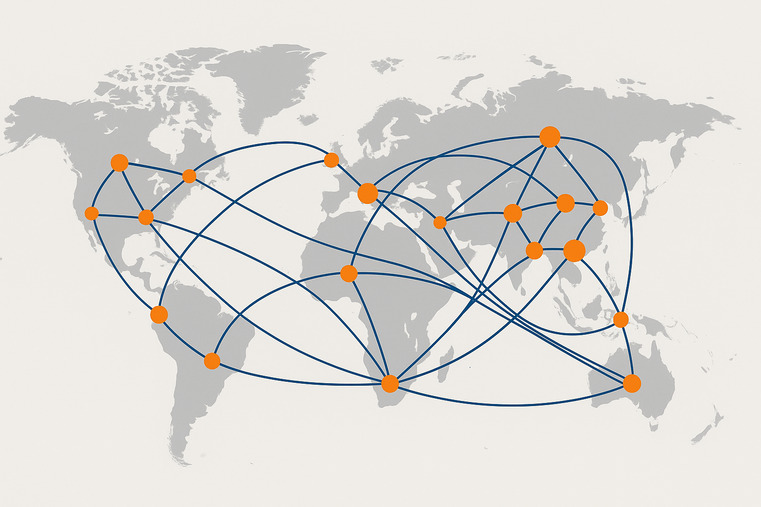
Focusing only on price per ton is like navigating a ship by only looking at the speedometer. It tells you how fast you're going, but not if you're headed towards an iceberg. "Material structure risk" is the iceberg. It’s the risk that comes from being too dependent on a single type of material (like natural rubber) or a single geographical region (like Southeast Asia). When that one source is disrupted by weather, politics, or logistics, your entire business is at risk, no matter how cheap the price was. Shifting your mindset means asking different questions. Instead of "Who is the cheapest?", you should ask, "How diversified is this supplier's own sourcing? Do they have contingency plans? Can they offer alternative compounds?" This is about building a resilient supply chain, not just a cheap one.
Is Price Negotiation Still Your Most Powerful Weapon?
You've built your career on being a tough negotiator, squeezing every last cent out of a deal. But if raw material volatility is the new normal, is negotiation enough to protect your business?
No, because the winners in this new era won't be the companies with the strongest price-negotiation power. They will be the companies with the highest material-substitution capability. The ability to innovate and adapt your product's composition is the new ultimate competitive advantage.

Negotiation has its limits. You can't negotiate with a drought or a trade war. The true power lies in having options. The most forward-thinking manufacturers I work with are investing heavily in R&D to build flexibility into their products. They are creating tire compounds that can substitute a portion of natural rubber with advanced synthetics or bio-based materials without sacrificing performance. They are designing steel bead wires that can be made from different alloys depending on market availability. This capability is a strategic game-changer. When the price of natural rubber goes through the roof, they can pivot their production to a formula that uses less of it, keeping their costs stable and their production lines moving. Their competitors, who are 100% dependent on the old formula, are left at the mercy of the market. This is the difference between being reactive (negotiating after a price hike) and being proactive (designing a product that can withstand the hike).
Conclusion
Raw material volatility has turned cost management2 into a strategic imperative10. Surviving and thriving now depends on building resilient, adaptable supply chains, not just on winning the next price negotiation5.
Understanding the latest trends in raw material costs can help you anticipate changes and adjust your strategies accordingly. ↩
Exploring cost management strategies can help you maintain profitability in a volatile market. ↩
Learning about strategic risk can help you identify vulnerabilities in your supply chain and mitigate potential threats. ↩
Exploring effective supply chain strategies can enhance your business resilience against market fluctuations. ↩
Discovering best practices in price negotiation can empower you to secure better deals while managing risks. ↩
Understanding cost ratios can help you analyze your product pricing and profitability more effectively. ↩
Learning about the challenges in agricultural tire manufacturing can help you navigate industry-specific issues. ↩
Exploring just-in-time inventory can help you optimize your supply chain while managing risks. ↩
Understanding material structure risk can help you diversify your suppliers and reduce dependency on single sources. ↩
Exploring the concept of strategic imperatives can help you align your business strategies with market realities. ↩