
You run different irrigation machines, yet treat all the tires the same. Now you're seeing random, unpredictable failures1 that mess up your maintenance schedule and cause expensive downtime during critical moments.
Issues are harder to predict because each machine model has different weights and geometries2, and is used differently by operators. This creates unique stress patterns3 on each irrigation tire, making a one-size-fits-all maintenance4 approach unreliable and prone to failure.
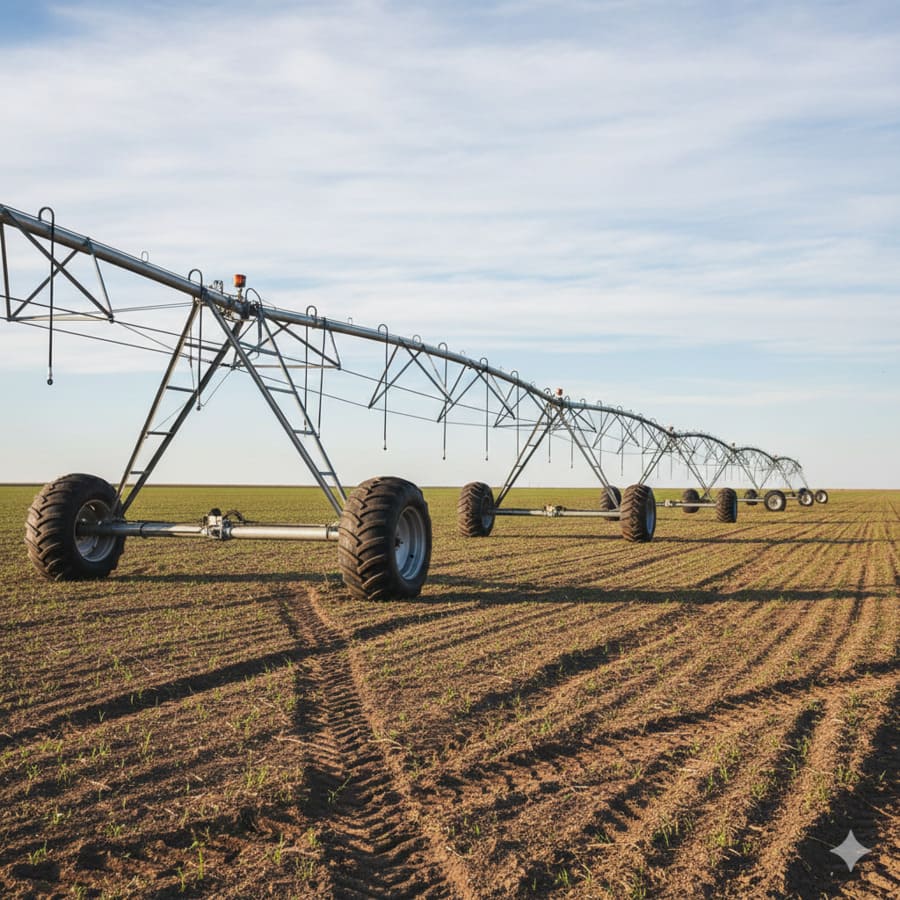
I remember a large farming co-op I worked with. They had pivots from three different manufacturers, some old, some new. Their maintenance chief5 was pulling his hair out. "One set of tires lasts five years, the next set on a different machine blows out in two, and they're the same brand of tire!" he told me. He was looking for a fault in the tires, but the problem was in his approach. He was treating a complex orchestra6 like a single drum. To solve the problem, we had to look at each machine as its own unique case7. Only then could we see the full picture and understand why his tire problems seemed so random.
How Can Two Identical Irrigation Tires Wear Out Differently on Different Machines?
You put the same model of irrigation tire on two different pivots. One lasts for years, the other fails prematurely. You blame the tire for being inconsistent, but the real culprit is hiding in plain sight.
Different machines have unique weights, axle loads, and wheel geometries8. These factors change how forces are distributed across the tire, creating unique stress points. An identical tire on a heavier or wider-stanced machine experiences completely different wear patterns.
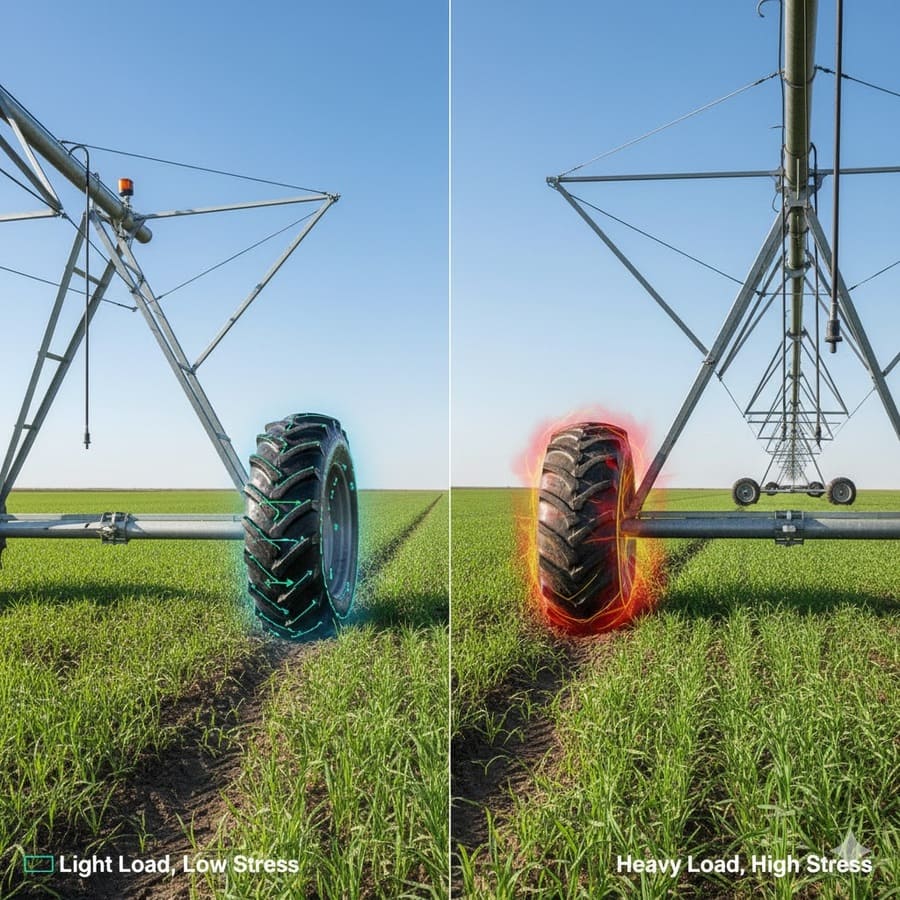
It's easy to think of a tire as just a tire, but it’s part of a system. The machine it's attached to dictates its life. Imagine carrying a 20-pound backpack versus a 50-pound one. You're the same person, but the stress on your body is totally different. The same is true for a tire. A pivot with a higher center of gravity9 puts much more lateral (sideways) stress on the tires when it turns or fights against the wind. A machine with longer tower spans10 puts a heavier load on the end towers compared to the inner ones. Even slight differences in wheel alignment between two different brands can create uneven tread wear. The tire isn't failing; it's simply responding to the specific mechanical environment it's in. Without understanding this, you're just guessing.
The Hidden Forces of Machine Design
| Machine Factor | Effect on Tire | Resulting Problem |
|---|---|---|
| Heavier Axle Load | Increased heat buildup and casing flex | Premature blowouts, internal damage |
| Higher Center of Gravity | Greater lateral stress during turns and on slopes | Accelerated sidewall fatigue |
| Different Wheel Geometry | Uneven pressure distribution on the tread | Irregular, patchy wear patterns |
| Tower Span Length | Varies the load on end towers vs. inner towers | Inconsistent lifespan across the fleet |
Why Does Operator Behavior Magnify Irrigation Tire Problems?
You have two identical pivots running in similar fields, but one consistently has more irrigation tire problems. The equipment is the same, so what's causing the difference in tire performance and reliability?
Operator habits like turning frequency, speed, and inflation checks11 amplify the mechanical stresses on a tire. One operator might run the system faster or neglect pressure checks, accelerating wear and causing premature failures that another operator avoids.
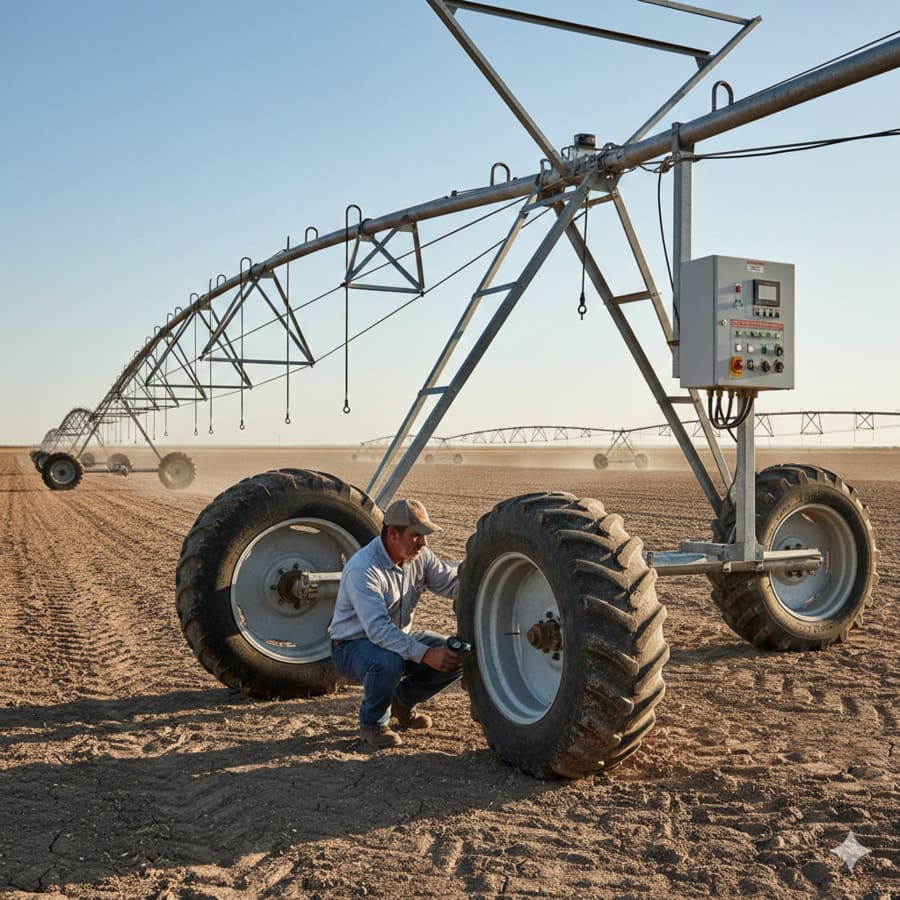
The machine provides the baseline stress, but the operator is the one who pushes the accelerator. I’ve seen this firsthand. One farm manager I know is meticulous about pivot speed12, always running it slow and steady. His neighbor, trying to cover ground faster, often runs his pivots at their maximum speed. Both have similar equipment, but the second farmer replaces tires twice as often. Why? Higher speeds mean more revolutions per day and more heat buildup. Frequent stop-starts and aggressive turns put immense strain on the tire's sidewall and bead. Even something as simple as inflation practices makes a huge difference. An operator who checks pressures regularly will get a much longer life out of their tires than one who just "eyeballs" them. These habits are invisible variables that, when combined with machine differences, create a perfect storm for unpredictable tire failures.
How Operator Choices Impact Tire Life
| Operator Habit | Impact on Tire | Consequence |
|---|---|---|
| High Operating Speed | More revolutions, higher heat, increased wear | Shorter tread life, risk of heat blowouts |
| Frequent/Sharp Turns | Extreme lateral stress on sidewalls | Sidewall fatigue, bead unseating |
| Inconsistent Inflation | Creates uneven wear and structural stress | "Run-flat" damage, uneven tread wear |
| Ignoring Field Obstacles | Leads to impact damage on tread and sidewalls | Punctures, cuts, and casing breaks |
Why Does a "One-Size-Fits-All" Maintenance Rule Fail for Mixed Fleets?
To simplify things, you tell your team to keep all irrigation tires at the same pressure and inspect them monthly. But you still face unexpected flats and inconsistent wear across your different machines.
A single maintenance rule fails because it ignores the unique load and use case of each machine. A lighter pivot may need less pressure than a heavy end tower, and applying one standard creates blind spots, leading to failures.
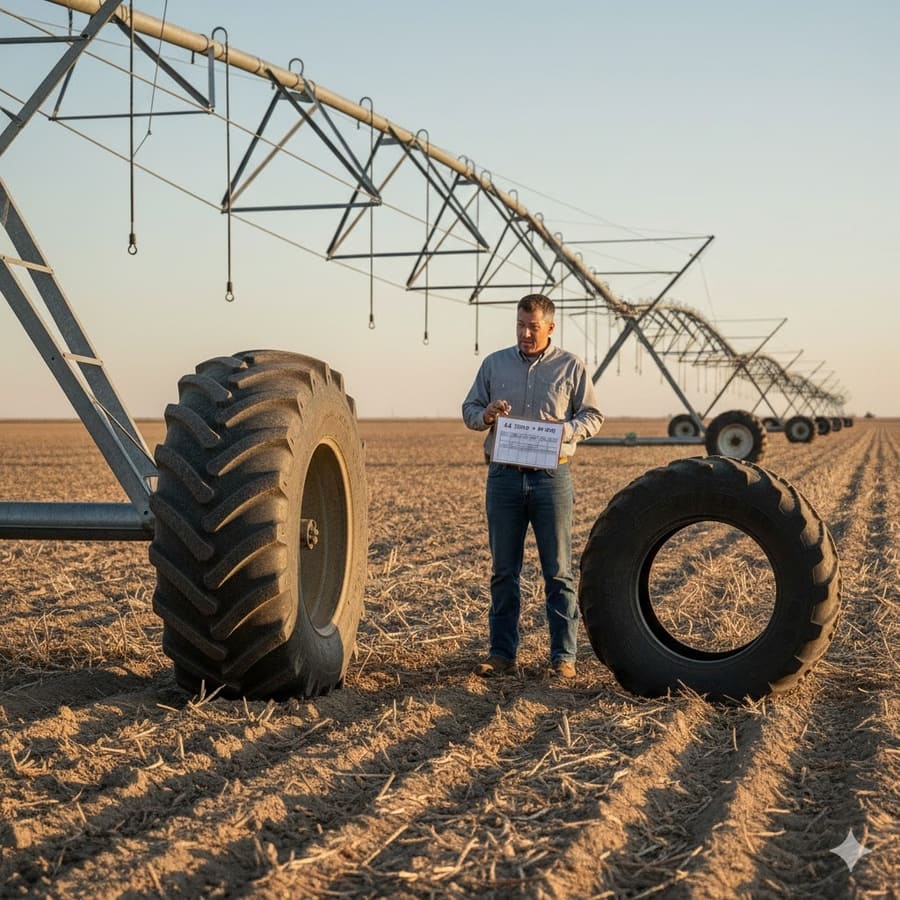
Applying a single rule to a mixed fleet is like giving everyone the same-size shoe and expecting it to fit. It’s simple, but it doesn't work. For example, setting all tires to 20 PSI might be perfect for a standard, 5-tower pivot. But on a long, 10-tower system with a heavy end gun, that same pressure might be dangerously low for the final tower, leading to excessive flexing and a blowout. Conversely, 20 PSI might be too high for a very light cornering arm, causing the tire to ride on the center of its tread and wear out prematurely. The same goes for inspection frequency. A high-use pivot running on rough terrain needs more frequent checks than one that runs half as much on flat ground. A "one-size-fits-all" approach creates a false sense of security while allowing hidden problems to grow.
Moving to a Tiered Maintenance Standard
Instead of one rule, create a tiered system:
- Tier 1: Heavy-Load Machines: These are your longest pivots or those with heavy end guns. They need the highest appropriate pressure and more frequent inspections (e.g., bi-weekly checks during peak season).
- Tier 2: Standard Machines: This is your general fleet. They can follow a standard pressure and monthly inspection schedule.
- Tier 3: Light-Duty Machines: These include corner arms or smaller pivots. They require their own specific, often lower, pressure setting to ensure proper tread contact.
How Can Consistent Irrigation Tires Reduce the Chaos of a Mixed Fleet?
With so many variables from different machines and operators, trying to manage tire performance feels like an impossible task. You need a way to reduce the uncertainty and bring some predictability back.
Since you can't easily change your machines or operators, the tire itself must be the constant. Choosing a high-quality, structurally consistent tire13 provides a reliable baseline, reducing the compound risk14 created by all the other variables.
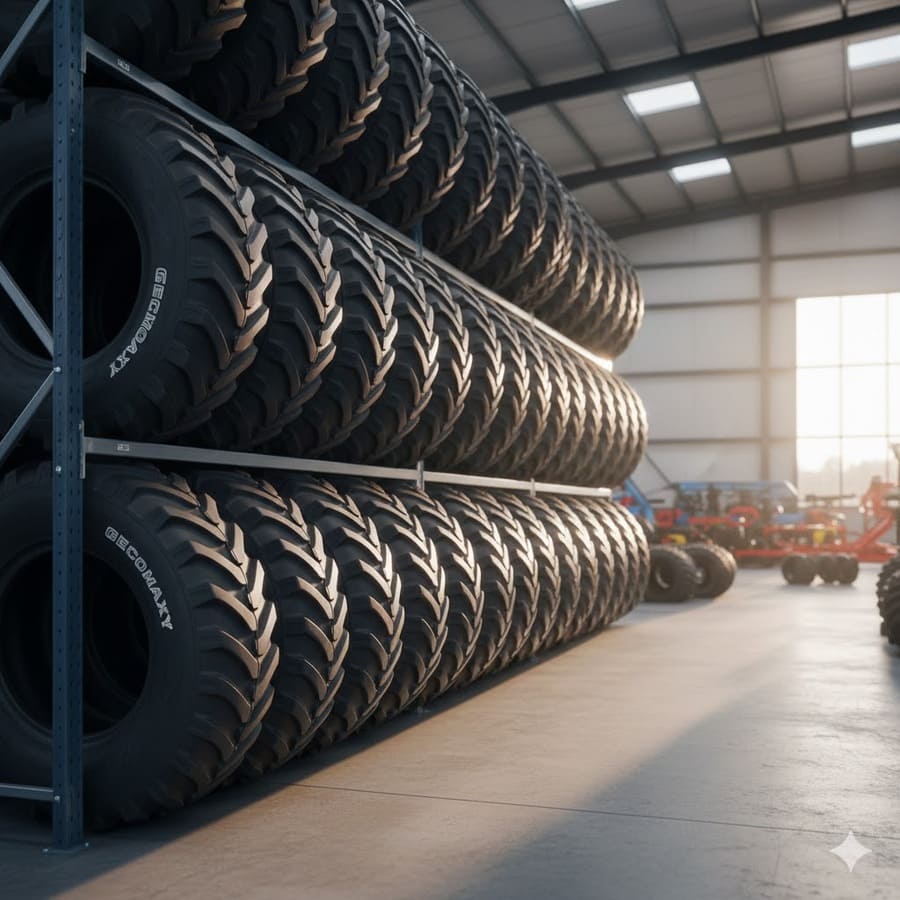
In an environment full of variables, the smartest move is to control the factors you can. You're stuck with your mix of equipment, and retraining every operator is a challenge. The one thing you have complete control over is the tire you choose to install. This is where consistency is not just a feature; it's a strategic advantage. When you use tires from a manufacturer that has strict quality control15, you know that every tire will behave predictably. It will have the same structural integrity, the same rubber compound, and the same durability margins. This consistency doesn't eliminate the stresses from the machine or the operator, but it makes their effects predictable. A consistently durable tire will handle the extra load of a heavy pivot better and will be more resilient to the abuse from a careless operator. It becomes your safety net, reducing the chaos and giving you a reliable foundation to build your maintenance strategy on.
Conclusion
Predicting irrigation tire issues in a mixed fleet is tough, but not impossible. By recognizing each machine's unique demands and choosing consistently reliable tires, you can regain control16 and reduce costly, unexpected downtime.
Understanding the root causes of these failures can help you prevent costly downtime and improve maintenance efficiency. ↩
Learning about these factors can help you understand why identical tires wear differently on different machines. ↩
Exploring this can reveal why a one-size-fits-all maintenance approach is ineffective, helping you tailor your strategy. ↩
Understanding the limitations of this approach can help you develop a more effective maintenance strategy. ↩
Discovering these challenges can provide insights into better fleet management and maintenance practices. ↩
This analogy can help you grasp the importance of individualized maintenance strategies for different machines. ↩
Understanding this approach can lead to more effective maintenance and longer tire life. ↩
Exploring these factors can help you understand the mechanical environment affecting tire wear. ↩
Learning about this can help you anticipate and mitigate lateral stress on tires. ↩
Understanding this can help you manage tire wear and lifespan across different machines. ↩
Learning about this can help you prevent uneven wear and extend tire lifespan. ↩
Understanding the impact of speed can help you optimize tire life and reduce maintenance costs. ↩
Understanding the advantages of these tires can help you reduce downtime and improve reliability. ↩
Exploring this concept can help you identify and mitigate multiple risk factors affecting tire performance. ↩
Learning about quality control can help you choose reliable tires that withstand various stresses. ↩
Exploring strategies to regain control can help you reduce downtime and improve fleet efficiency. ↩