
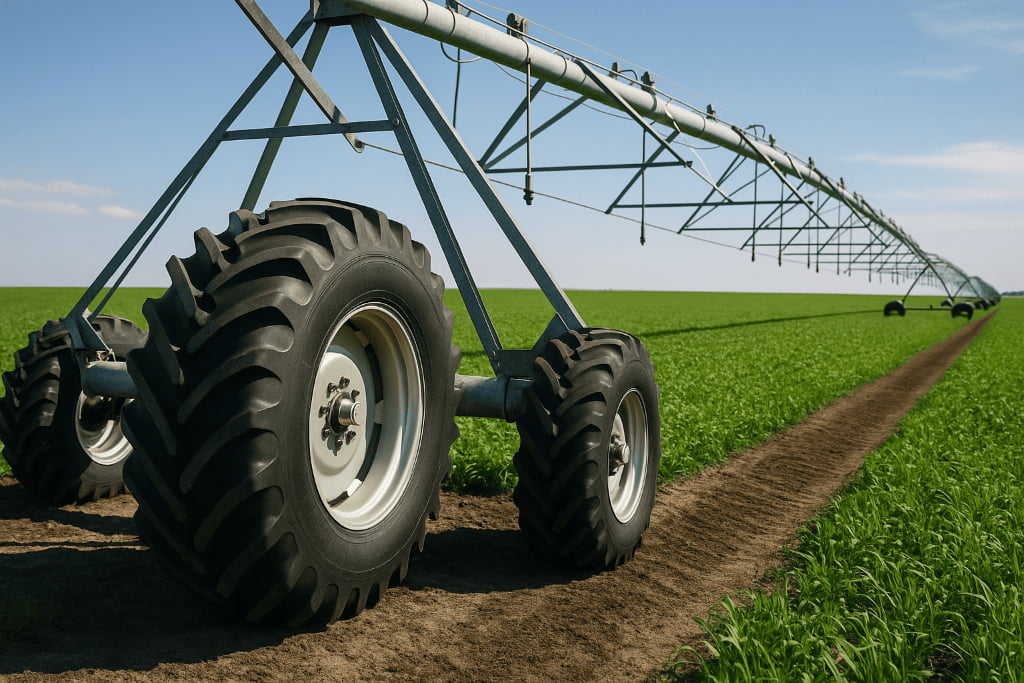
You see the agricultural tire market as a commodity game, a race to the bottom on price. This volume-focused view is causing you to miss out on high-margin1, specialty niches.
Irrigation tires2 are transforming the value chain by shifting focus from volume to value. They represent a profitable specialty segment3 where higher technical standards4, not just price, create significant export opportunities for expert manufacturers who can meet the demand for quality and reliability.
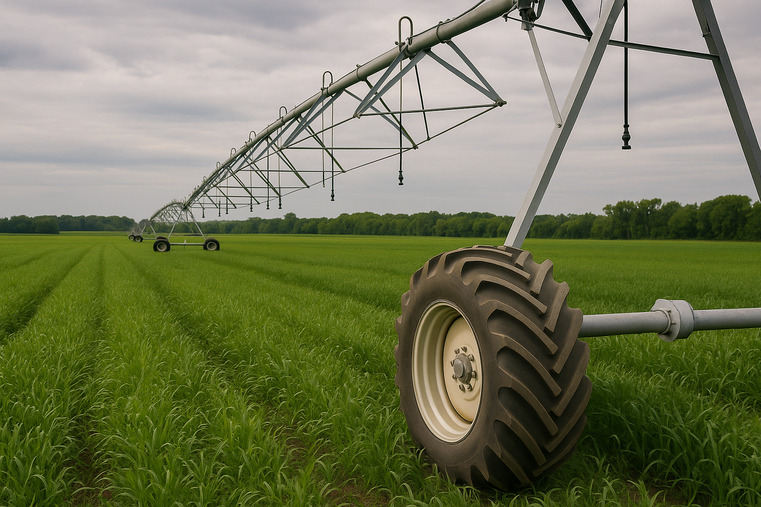
I remember a conversation with a distributor who was frustrated with shrinking margins on standard tractor tires. He felt squeezed between rising material costs and fierce price competition. I suggested he look at the irrigation tire market. At first, he dismissed it as "too small." But I explained that this niche isn't about volume; it's about value. The customers are different. They need a specific solution to protect their land and crops, and they are willing to pay for performance and reliability5. He started with a small trial order for a farming cooperative in North Africa. Today, irrigation tires are one of his most profitable lines. It’s a perfect example of how looking at a specialty segment3 can completely change your business's profitability.
Why Are Irrigation Tires Becoming a High-Value Niche?
You think all agricultural tires are mass-produced commodities. This belief leads you to compete on price alone, ignoring the profitable demand for specialized, high-performance products in the market.
Irrigation tires2 are a high-value niche because they solve a specific, costly problem: soil compaction6 and crop damage7. Their specialized design offers tangible value that farmers will pay a premium for, moving the sales conversation from price to performance.

The shift from volume to value in the agricultural sector is real. For years, the game was about producing as many tires as possible. Now, with precision agriculture, farmers understand that every input matters. They know that using the wrong tire on their multi-million dollar irrigation system can cause thousands of dollars in yield loss from soil compaction6 and damaged crops. This is where value comes in. An irrigation tire isn't just a component; it's a tool for protecting their investment. As a supplier, this is a golden opportunity. Instead of fighting over pennies on a standard tractor tire, you can provide a solution that directly boosts your customer's profitability. This changes the entire dynamic, making you a partner rather than just another vendor.
The Shift from Volume to Value
| Market Focus | Volume-Based (Standard Tires) | Value-Based (Irrigation Tires) |
|---|---|---|
| Sales Driver | Lowest price per unit | Performance and ROI |
| Customer Concern | Initial purchase cost | Total cost of ownership, including yield loss |
| Supplier Role | Commodity vendor | Solution-oriented partner |
| Profit Margin | Low and shrinking | High and stable |
What Technical Standards Separate Premium Irrigation Tires from the Rest?
You assume an irrigation tire is just a skinny tractor tire. This oversimplification causes you to source products that fail prematurely, damaging your brand's reputation for quality and reliability.
Premium irrigation tires are defined by strict technical standards4. This includes using advanced rubber compounds to resist ozone and UV damage, reinforced casings for constant load-bearing, and non-directional treads that minimize soil disturbance, all verified by international certifications.
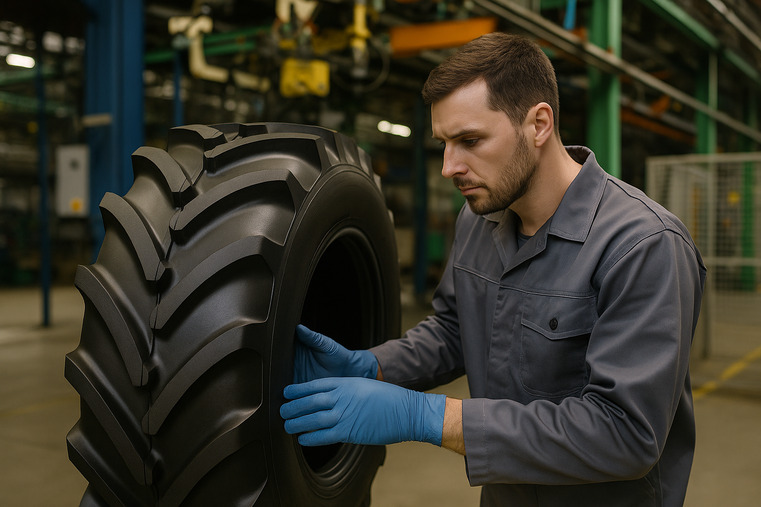
Unlike a tractor tire that works intermittently, an irrigation tire operates under constant stress. It’s exposed to sunlight, water, and chemicals for months on end. A cheap tire will crack and fail quickly under these conditions. This is why technical standards4 are so critical. At our facility, we use specific rubber formulations with anti-ozonant and anti-UV agents to prevent weather cracking. The casing is designed not for high-impact shock, but for constant, steady flexing. Most importantly, all of this is backed by certifications like ISO 90018. When a procurement manager sees that certification, they know the tire they are buying isn't just a cheap knock-off. They know it has passed rigorous raw material checks, precision manufacturing processes, and multiple performance tests. This guarantee of quality is non-negotiable in the premium market.
How Can You Gain a First-Mover Advantage in the Irrigation Tire Market?
You want to enter the irrigation tire market but worry it's already saturated. You hesitate, waiting for a perfect moment, while more agile competitors are already establishing their presence.
To gain a first-mover advantage9, you must act decisively. Secure a partnership with a certified manufacturer10, establish regional distribution11 in key agricultural hubs, and build a reputation for reliability. Being the first to offer a dependable, high-quality solution creates lasting market leadership.
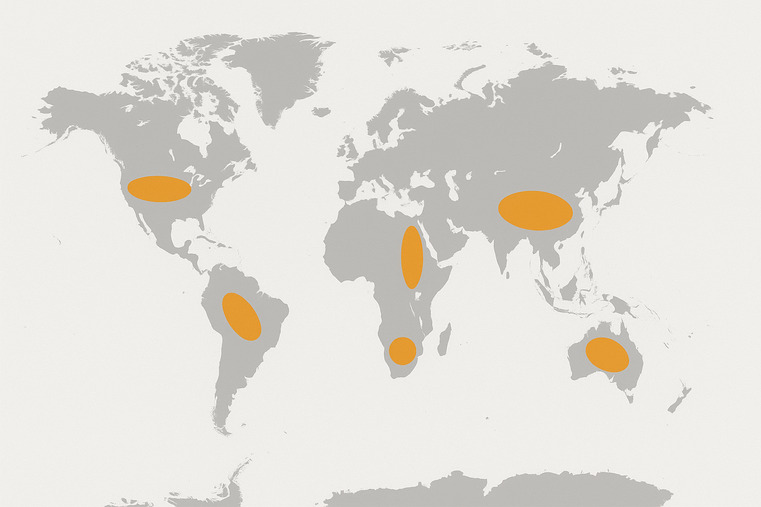
The window of opportunity in any specialty market doesn't stay open forever. The key to winning is to establish yourself as the go-to expert before the market becomes crowded. The first step is to partner with a manufacturer that not only has the technical expertise and certifications but also the supply chain flexibility you need. Think flexible MOQs and mixed-container loading. The second step is to be strategic with distribution. Instead of a broad, unfocused approach, target key agricultural regions where pivot irrigation12 is expanding—like the American Midwest, Brazil, or parts of Eastern Europe and Africa. By being the first to establish a reliable supply of premium irrigation tires in these areas, you become the default choice. Early investment in building this network and reputation creates a barrier that latecomers will find very difficult to overcome.
Conclusion
The agricultural tire value chain is evolving. By focusing on the high-value, technically demanding niche of irrigation tires, you can move beyond price wars and build a more profitable, sustainable business.
Discover lucrative opportunities in the agricultural tire market that can significantly boost your profitability. ↩
Explore how irrigation tires can enhance crop yield and reduce soil compaction, making them a valuable investment for farmers. ↩
Learn about the importance of specialty segments and how they can transform your business strategy. ↩
Understand the critical technical standards that differentiate premium irrigation tires from standard options. ↩
Learn why farmers prioritize performance and reliability in their tire choices and how it affects their operations. ↩
Find out how specialized tires can prevent soil compaction and protect crop health, leading to better yields. ↩
Explore the impact of tire choice on crop health and how irrigation tires can mitigate damage. ↩
Understand the significance of ISO 9001 certification in ensuring product quality and customer trust. ↩
Discover strategies to establish yourself as a leader in emerging markets like irrigation tires. ↩
Get insights on selecting the right manufacturer to ensure quality and reliability in your product offerings. ↩
Learn how to strategically distribute agricultural products to maximize reach and profitability. ↩
Explore the mechanics of pivot irrigation systems and their relevance to agricultural tire selection. ↩