
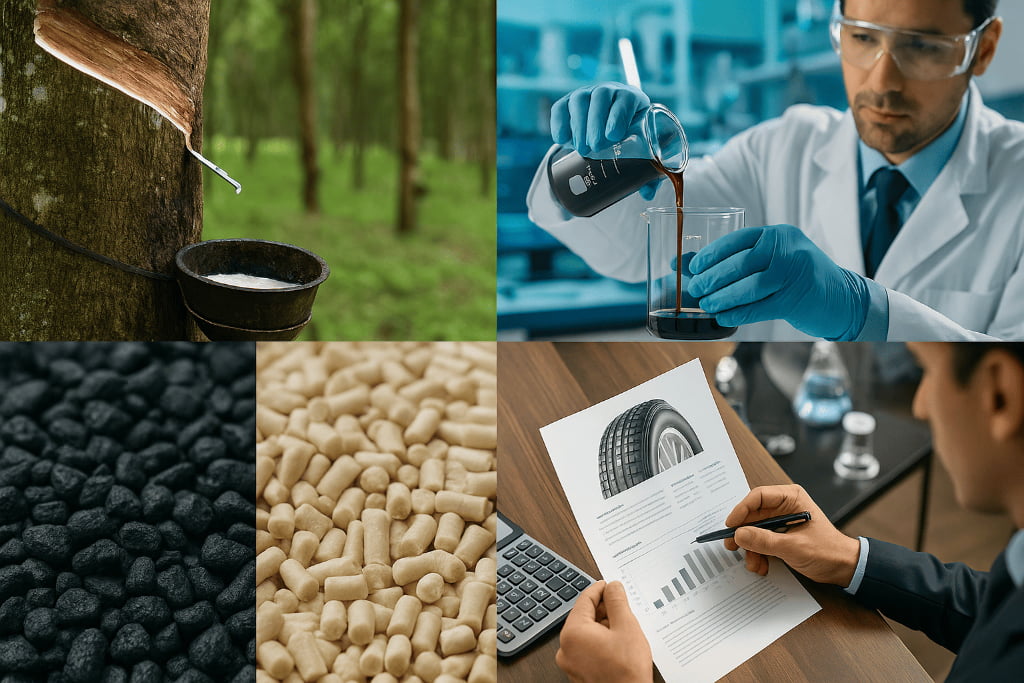
For generations, your business has been built on a simple truth: heavy-duty tires need natural rubber1. But now, with unpredictable harvests and volatile prices, this core ingredient is becoming a huge liability.
When natural rubber1's supply becomes unstable, the entire tire industry is forced into a radical shift. It must move from depending on a single raw material to embracing a diverse portfolio of synthetic and bio-based alternatives2, making supply chain resilience3 the new measure of a supplier's strength.
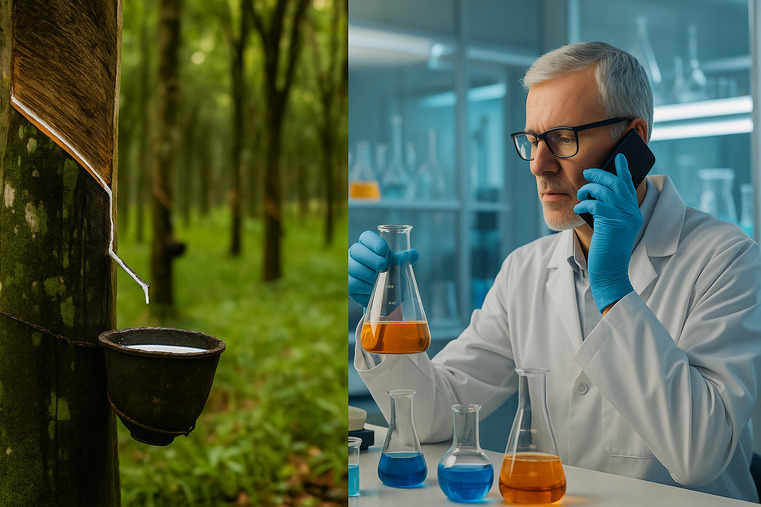
I was talking with a factory partner who has been in the business for over 40 years. He told me, "When I started, rubber was just... there. Like water from a tap. We worried about tread design and cure times, never the trees themselves." Last week, I had a very different conversation with his lead engineer, a woman in her early thirties. She showed me a complex chart on her screen. "This is our future," she said. It wasn't a tire design; it was a material allocation forecast4, balancing natural rubber1 with five different synthetic polymers based on price and availability projections. The game has completely changed. We are no longer just tire makers; we are material strategists.
Are Synthetic Alternatives No Longer Just a Backup Plan?
You've probably seen "synthetic blend" on spec sheets and dismissed it as a cheaper, lower-performance option. It was the compromise you made for non-critical applications. But what if that compromise is now the key to your survival?
Yes, synthetic and bio-based alternatives2 are rapidly moving from being "backup plans" to a mandatory part of the manufacturing process. The goal is no longer just cost reduction; it's about guaranteeing production capacity when natural rubber1 supplies are tight or impossibly expensive.
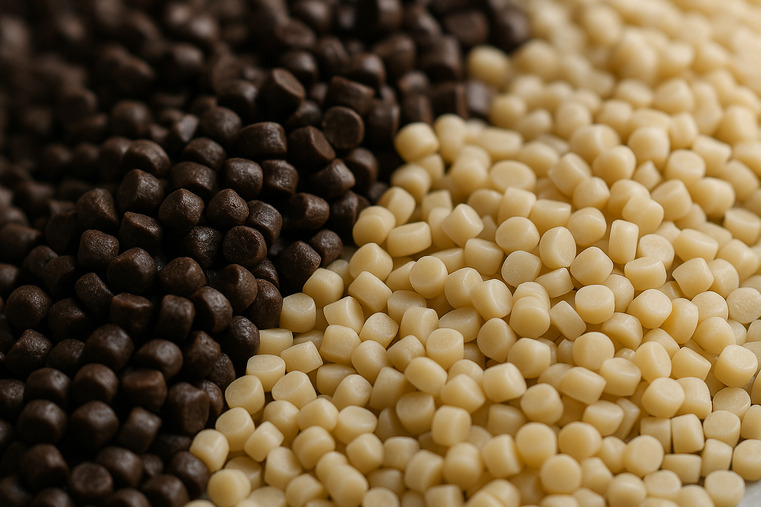
The industry's over-dependence on natural rubber1 has created a huge structural risk. The majority of the world's supply comes from a small region in Southeast Asia, which is vulnerable to climate change, plant diseases, and political instability. A bad harvest or a new tariff can send shockwaves through the entire market. This is why manufacturers are being forced to act. They are not just "exploring" alternatives; they are actively integrating them into their core products. This involves a complex balancing act. Natural rubber still offers superior elasticity and heat resistance for many demanding applications. But modern synthetics offer consistency, price stability, and reliable availability. The future isn't about choosing one over the other. It's about building a tire with a strategic blend of materials5.
The New Material Portfolio
| Material | Key Advantage | Current Challenge | Role in Future Tires |
|---|---|---|---|
| Natural Rubber | Superior elasticity & strength | High price volatility6, supply risk | Core component, but % will decrease |
| Synthetic Rubber (SBR) | Cost-effective, stable supply | Can have lower tear resistance | Main body for many tire types |
| Bio-based (e.g., Guayule) | Sustainable, potential for local sourcing | High R&D cost, not yet at scale | Premium, long-term replacement |
Is "Natural Rubber Dependency" the Next Metric Your Customers Will Ask About?
You're used to competing on price, tread life, and brand reputation. But what if your biggest clients—the OEMs7 and large fleet managers—start asking a question you've never even thought about: "What percentage of this tire is made with natural rubber1?"
Absolutely. The most sophisticated buyers are starting to look beyond the tire's performance and are now analyzing the stability of its supply chain. The percentage of dependency on natural rubber1 is becoming a critical new metric for measuring a supplier's long-term reliability8.
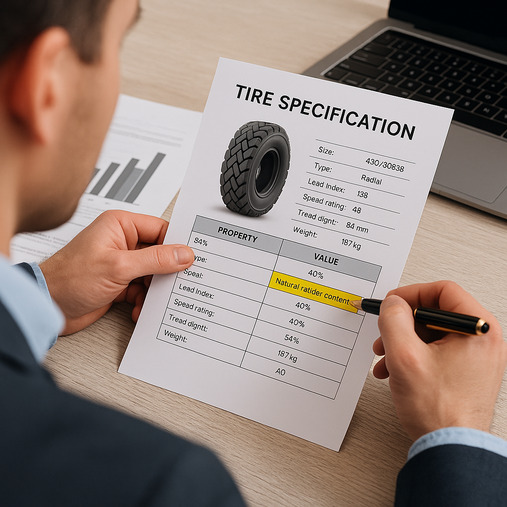
Think about it from an OEM's perspective. Their entire factory assembly line, a multi-billion dollar operation, can be shut down because of a shortage of a single component. They learned this lesson the hard way with semiconductor chips. Now, they are applying that same risk analysis to everything, including tires. They need to know that their tire supplier won't suddenly halt production due to a rubber crisis. Similarly, large leasing companies that manage thousands of vehicles need predictable operational costs. They can't afford to have their tire replacement budget double overnight because of a spike in the rubber market. For them, a supplier who has a lower dependency on natural rubber1 is a safer, more strategic partner. This changes how you should evaluate your suppliers. You're not just buying a product; you're buying business continuity.
Conclusion
The tire industry's over-reliance on natural rubber1 is an unsustainable risk. The future belongs to suppliers who embrace material diversification, turning supply chain resilience3 into their most powerful competitive advantage.
Explore the advantages of natural rubber, including its elasticity and strength, crucial for tire performance. ↩
Find out about bio-based alternatives like Guayule and their potential in sustainable tire production. ↩
Discover why supply chain resilience is vital for manufacturers, especially in volatile markets. ↩
Understand the importance of material allocation forecasts in balancing raw materials for production. ↩
Discover how a strategic blend of materials can enhance tire performance and supply stability. ↩
Explore the impact of price volatility on tire manufacturing and how companies can mitigate risks. ↩
Understand the critical role of OEMs in the tire supply chain and their influence on material choices. ↩
Explore strategies suppliers can adopt to ensure long-term reliability and stability in their products. ↩