
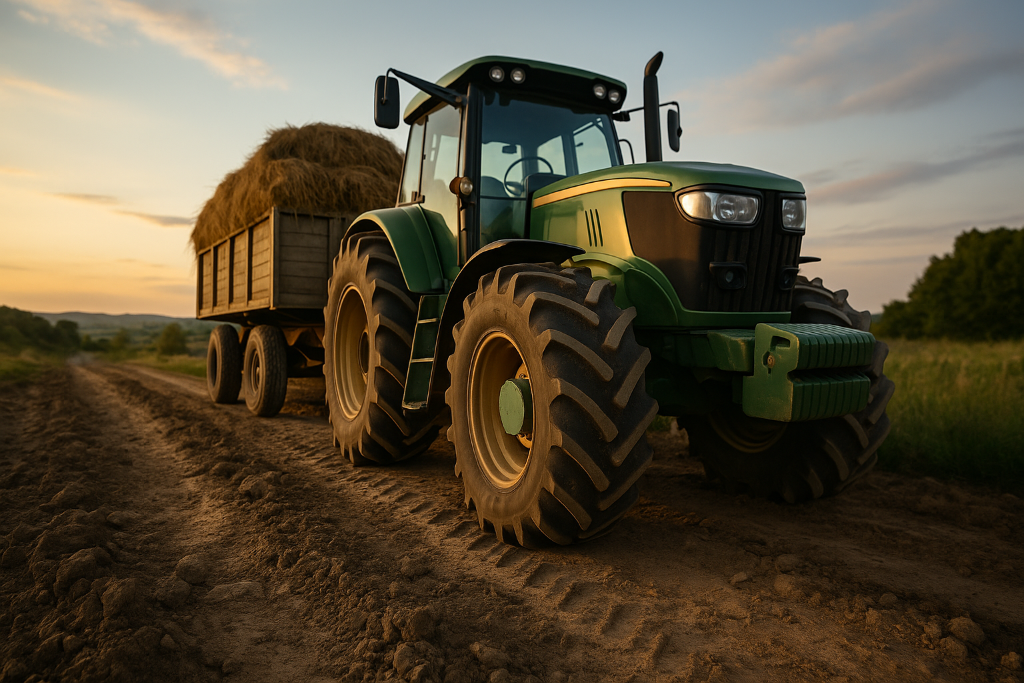
Seeing bias tires in use and thinking it's outdated technology? This common mistake leads to costly mismatches, as modern radials often fail in these specific work environments.
It's not about technology, but suitability. Bias tires1 are preferred because they excel in the local conditions: low-speed, high-load work on rough terrain2. Their durability3, repairability4, and forgiveness with older machinery5 make them the more practical and cost-effective choice over radials6.
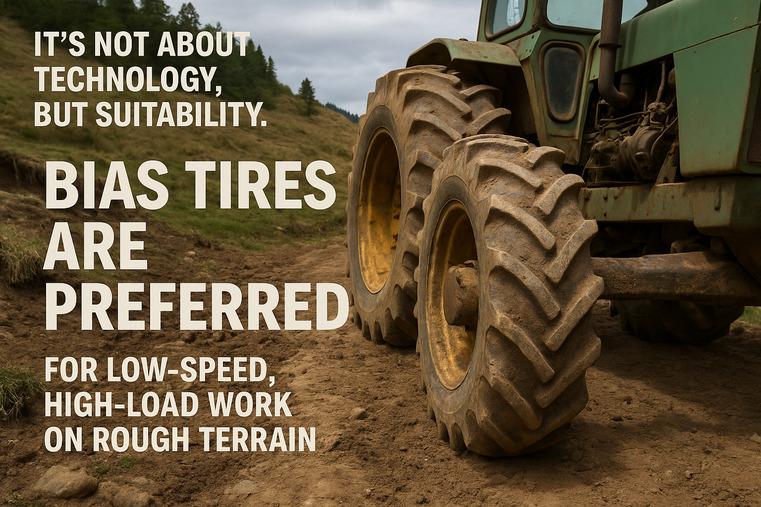
For over a decade, I've supplied tires to these regions. Early on, I also pushed radials6, thinking I was offering a superior product. I learned quickly that what works on a perfect highway is not what works in a muddy field or a rocky mine. The choice for bias tires is a smart business decision, not a technological lag. Let's break down the real reasons why.
Is it about outdated tech, or are the working conditions just that different?
You see a bias tire and might assume it's just old stock. This assumption can be expensive if you spec the wrong tire for a client, leading to premature failure and complaints.
It's entirely about the work conditions, not the technology. Bias tires1 are structurally superior for low-speed, heavy-load jobs on unpaved and uneven surfaces, where their rigid construction provides stability and durability3 that a flexible radial tire struggles with.

I always tell my clients, "The ground tells you what tire to use." A perfectly smooth factory floor and a rutted farm track are two different worlds. A radial tire is designed for speed and comfort, with flexible sidewalls that help keep the tread flat on a paved road. But take that same flexible sidewall onto a rocky, uneven path, and it becomes a vulnerability. The conditions in many agricultural and industrial sites in these regions demand a different kind of strength.
The Terrain Dictates the Tire
The core of the issue is the crisscross construction of a bias tire. The layers of fabric run diagonally, creating a stiff, unified structure from the tread to the sidewall.
- Low Speed, Heavy Loads: The rigid casing of a bias tire offers excellent stability when lifting or carrying heavy materials at slow speeds. It reduces the swaying and bouncing you might get with a more flexible radial.
- Twisted and Uneven Surfaces: On rough terrain2, the stiff sidewalls of a bias tire provide a strong defense against cuts and punctures from rocks and debris. They also provide better support, preventing the tire from deforming excessively.
Here’s a simple breakdown I use:
| Condition | Bias Tire Advantage | Radial Tire Challenge |
|---|---|---|
| Low-Speed, Heavy Load | Excellent stability, less sway | Sidewalls may flex too much, causing instability |
| Uneven, Rocky Ground | Stiff, durable sidewalls resist cuts | Flexible sidewalls are more vulnerable to punctures |
| Unpaved Roads | Tough construction handles abuse well | Designed for smooth surfaces; tread life can suffer |
For these jobs, the "rigidity" of a bias tire isn't a bug; it's the main feature.
How does the age of machinery and local repair culture7 affect tire choice8?
Are you wondering why clients won't upgrade to "better" radial tires? They might be dealing with realities you haven't considered, like old equipment and a lack of specialized repair shops.
Bias tires1 are forgiving of the imprecise air pressure common in older machines that lack monitoring systems. Crucially, they are easy to repair locally with simple patches, fitting a strong culture of fixing things over replacing them, which is a huge economic advantage9.

I learned this lesson the hard way. A client in Eastern Europe bought a set of expensive radial tires for their old fleet of agricultural machines. Within months, half were unusable. The problem wasn't the tire quality; it was maintenance. Radial tires require precise air pressure to function correctly. Their older machines didn't have tire pressure monitoring systems (TPMS), and manual checks were inconsistent. An underinflated radial will destroy its sidewalls quickly. Furthermore, when a radial's sidewall is damaged, it's often considered irreparable.
The Reality of Maintenance and Repair
The choice of tire is deeply connected to the economic and practical realities on the ground.
- Forgiveness with Old Equipment: Bias tires1 are much more tolerant of pressure variations. Their stiff construction holds its shape better even when not perfectly inflated, which is a massive benefit for older equipment.
- A Culture of Repair: In many parts of the world, you don't just throw things away. A bias tire can be patched and fixed multiple times, often in a small local workshop. It's a simple, tough technology. A damaged radial often requires a complete, expensive replacement, which is not economically viable for many operators.
This repair-friendly nature is perhaps the single most important economic factor driving the continued reliance on bias tires.
Are there situations where bias tires actually perform better than radials6?
Assuming a radial tire is always superior is a common trap. Forgetting the specific job can lead you to recommend a tire that wears out faster and performs worse in key areas.
Yes, absolutely. Bias tires1 outperform radials6 in specific, critical areas like cut resistance10, sidewall support11, and [overload durability]. For applications involving sharp debris or the risk of overloading, a bias tire is often the tougher, more reliable option.
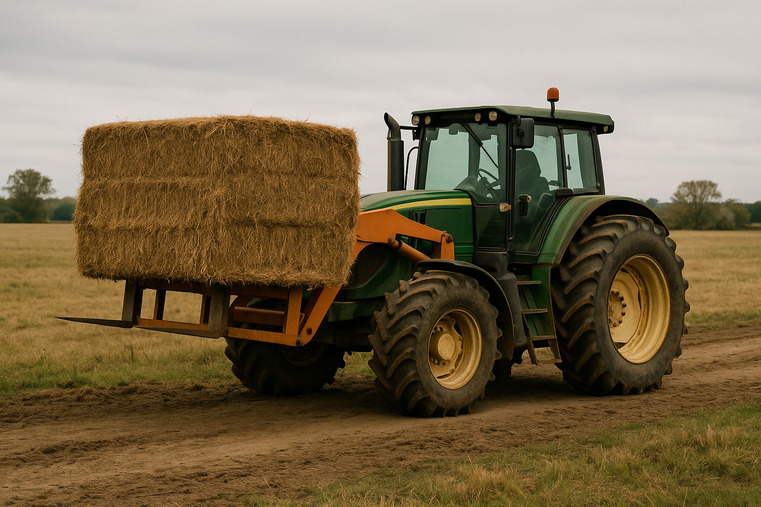
I work with many clients in mining and forestry. For them, tire death often comes from a sharp rock slicing through a sidewall, not from the tread wearing out. This is where bias tires truly shine. The overlapping plies of a bias tire create a thick, interwoven barrier that is much harder to puncture or cut than the thin, flexible sidewall of a radial.
Where Toughness Beats Technology
Let's look at the specific performance metrics where bias construction has a clear edge.
| Performance Metric | Bias Tire Advantage | Radial Tire Weakness |
|---|---|---|
| Cut Resistance | Thick, multi-layer sidewall offers superior protection against sharp objects. | Thin, flexible sidewall is more susceptible to cuts and punctures. |
| Sidewall Support | The entire tire casing is rigid, providing excellent support on slopes and during turns. | Sidewall flex can feel less stable under heavy, off-camber loads. |
| Overload Durability | Its stiff structure can handle occasional overloading better without catastrophic failure. | Overloading quickly damages the flexible sidewalls and can lead to blowouts. |
So, when a customer in Africa tells me they need a tire for a loader in a mine, I don't start by offering the latest radial. I ask them about their biggest cause of tire failure. If the answer is "sidewall cuts," the conversation immediately turns to our toughest bias-ply options. It’s about providing the right solution, not just the newest one.
Conclusion
Ultimately, tire choice8 isn't about new versus old. It's about matching the right structure to the right job, budget, and maintenance reality. Bias tires1 endure for very good reasons.
Explore the unique benefits of bias tires, especially in challenging terrains, and understand why they might be the better choice. ↩
Find out how different tire types handle rough terrain and which offers the best performance. ↩
Understand the key factors that enhance tire durability and how they affect performance. ↩
Explore why repairability is crucial for tires used in heavy machinery and its economic implications. ↩
Learn about tire options that are compatible with older machinery and their benefits. ↩
Learn about the advantages of radial tires and when they might be the right choice for specific conditions. ↩
Discover how local repair practices affect tire selection and maintenance in various regions. ↩
Get insights on how to select the right tire based on specific working conditions and requirements. ↩
Find out how bias tires can provide economic benefits in various operational contexts. ↩
Understand the significance of cut resistance in tires, especially for rugged applications. ↩
Explore the role of sidewall support in tire performance and stability under load. ↩