
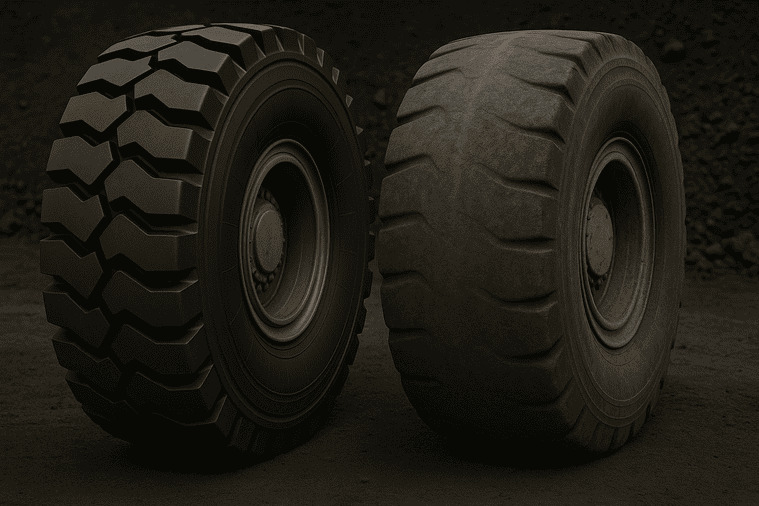
You see two OTR tires that look identical, so you choose the cheaper one to save your budget. But then it wears out fast, causing machine downtime and blowing up your costs.
Two visually identical tires can have vastly different service lives1 due to unseen factors like rubber compound quality2, internal construction3, and heat resistance4. These engineering differences, not appearance, determine the tire's real performance and longevity.
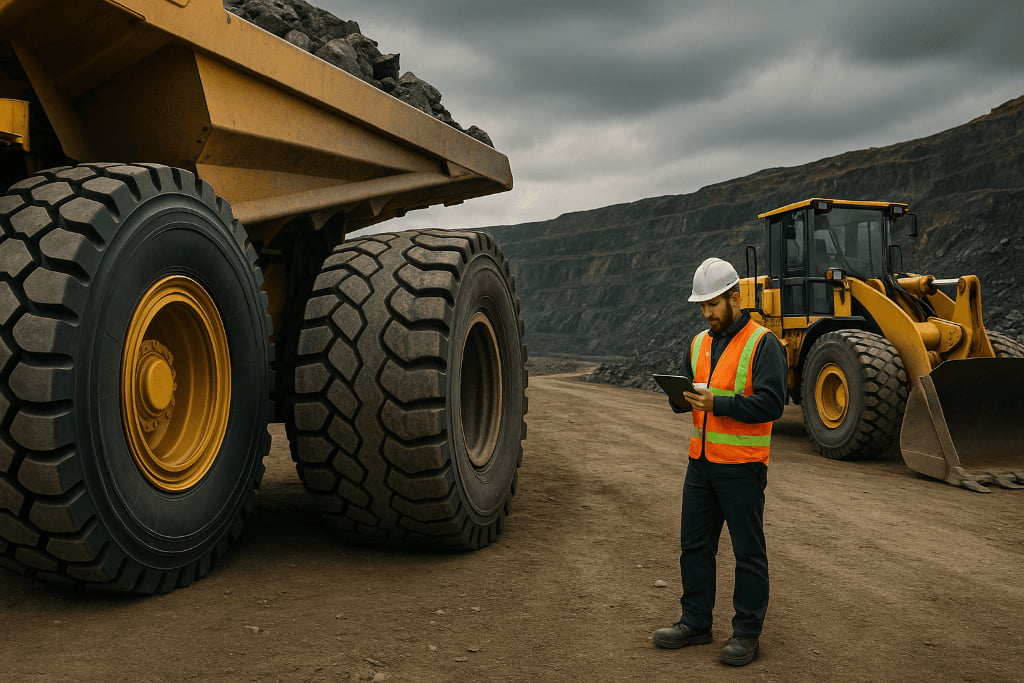
I once had a client, a quarry manager, who was fixated on the purchase price of his loader tires. He told me, "A tire is a tire. I'm buying the cheapest one that fits." I tried to explain the concept of Total Cost of Ownership5, but he wasn't interested. Six months later, he called me. His "cheap" tires had failed, leading to a critical machine being down for two days. The cost of that downtime was ten times what he had "saved" on the tires. That experience taught him a powerful lesson: with OTR tires, what you see on the price tag is rarely the full story. The real cost is hidden in performance.
How Can a Cheaper Tire Actually Cost You More?
You pick the lower-priced tire to reduce upfront spending. But this decision backfires when constant replacements and project delays from downtime wreck your operational budget.
A cheaper tire costs more when its shorter lifespan leads to more frequent replacements and increased machine downtime. This Total Cost of Ownership5 (TCO) often makes the "expensive" quality tire the more economical choice in the long run.

The key is to stop thinking about price and start thinking about cost per hour6. The initial price is just one small part of the equation. The true cost includes the labor to change tires, the loss of productivity when a machine is stopped, and the number of tires you need to buy over a year. A tire that costs 30% more but lasts 80% longer is a massive win. For my clients in mining and construction, downtime isn't an inconvenience; it's a financial disaster. A single haul truck being out of service can cost thousands of dollars per hour. When you look at it that way, a reliable tire isn't an expense; it's an investment in operational continuity.
The Real Cost: A TCO Comparison
| Metric | Tire A (Low Price) | Tire B (Quality) |
|---|---|---|
| Unit Price | $3,000 | $4,200 (+40%) |
| Service Life | 2,500 Hours | 4,500 Hours (+80%) |
| Cost Per Hour | $1.20 | $0.93 |
| Replacements / 9,000 Hrs | 3 events | 1 event |
| Downtime Cost (@$2,000/hr) | $12,000 (6 hrs) | $4,000 (2 hrs) |
| Total Cost / 9,000 Hrs | $22,800 | $12,400 |
As you can see, the "cheaper" Tire A actually costs nearly double over the equipment's operational cycle.
What Is the Silent Killer of OTR Tires?
Your OTR tires are failing much sooner than expected, even with correct loads. You can't see the problem, but the premature wear7 and unexpected failures are costing you a fortune.
The silent killer is internal heat buildup. Excessive heat degrades the rubber, weakens the internal structure, and causes belt separation long before the tread wears out. Premium tires use advanced compounds and designs to manage heat effectively.

Every time an OTR tire flexes under load, it generates heat. In heavy-duty cycles, this heat can accumulate faster than it can escape. This is where the unseen differences in tires become critical. I've seen tires that looked perfect on the outside fail catastrophically because the internal layers had essentially cooked themselves and separated. This is where the R&D investment from quality manufacturers pays off. They engineer rubber compounds that remain stable at high temperatures. They also optimize the tread design and depth—because a tread that's too deep can actually trap heat, sacrificing overall life for the appearance of more rubber. A good tire isn't just about being tough; it's about staying cool under pressure. This thermal management is one of the most important factors for achieving maximum service life in demanding applications.
How Can Bad Habits Destroy Your Tire Budget?
You think your tire management8 is "good enough." This complacency leads to overlooking small operational details that are silently destroying your tires and causing massive, completely avoidable expenses.
Under-inflation and overloading9 are the fastest ways to destroy an OTR tire. Running just 15% below the recommended pressure can slash a tire's life by 30-40% by causing excessive heat buildup and structural fatigue.

This is something I stress with every fleet manager I work with. A tire is designed to operate with a specific structure, which is maintained by air pressure. When you under-inflate it, the sidewalls flex too much. This movement generates extreme internal heat and puts immense strain on the tire's internal cords. Overloading has a similar effect, placing stresses on the tire that it was never built to handle. Both habits lead to the same result: premature, and often catastrophic, failure. It's like bending a paperclip back and forth; eventually, it just breaks. Implementing a strict, daily pressure check routine is the single most effective maintenance task you can perform. It costs almost nothing, but it can save you tens of thousands of dollars in tire costs and downtime.
How Can You Accurately Measure a Tire's True Value?
You rely on the supplier's spec sheet and the purchase price to make decisions. This leaves you guessing about real-world performance and makes it impossible to know if you are truly getting good value.
Track your tires' "cost per hour6" by using historical data10. Recording service hours, terrain, and load patterns for each tire allows you to compare brands based on actual performance, not just their initial price tag.
The most successful fleet managers I know are obsessed with data. They don't guess; they measure. They equip their teams with simple tools to log the life of every single tire. When a tire is mounted, they note the date and the machine's hour meter. When it's removed, they log it again and note the reason for removal—was it normal wear, or a premature failure? Over time, this data paints a crystal-clear picture of which tire brands deliver the lowest cost per hour6 in their specific operation. This approach moves the conversation from a subjective debate about brand quality to an objective, data-driven decision11. It empowers you to hold suppliers accountable for their performance claims and ensures that every dollar spent on tires is a smart investment in operational efficiency. This data becomes your most powerful negotiation tool.
Conclusion
The true value of an OTR tire is measured in service hours and operational uptime12, not its price. Choosing a quality tire with a lower cost per hour6 is a strategic investment.
Learn how tire longevity impacts your budget and operational efficiency. ↩
Discover how rubber quality influences tire performance and lifespan. ↩
Explore the engineering behind tire construction for better purchasing decisions. ↩
Find out how heat resistance can prevent premature tire failures. ↩
Understanding TCO helps you make informed decisions that save money in the long run. ↩
Learn to evaluate tire costs effectively to maximize your budget. ↩
Identifying wear causes can help you extend tire life and reduce expenses. ↩
Implementing best practices can significantly reduce tire-related costs. ↩
Understanding the risks of overloading can prevent costly tire failures. ↩
Learn how data tracking can lead to smarter tire purchasing decisions. ↩
Explore how data can enhance your tire management strategy. ↩
Understanding this relationship can help you make better investment choices. ↩