
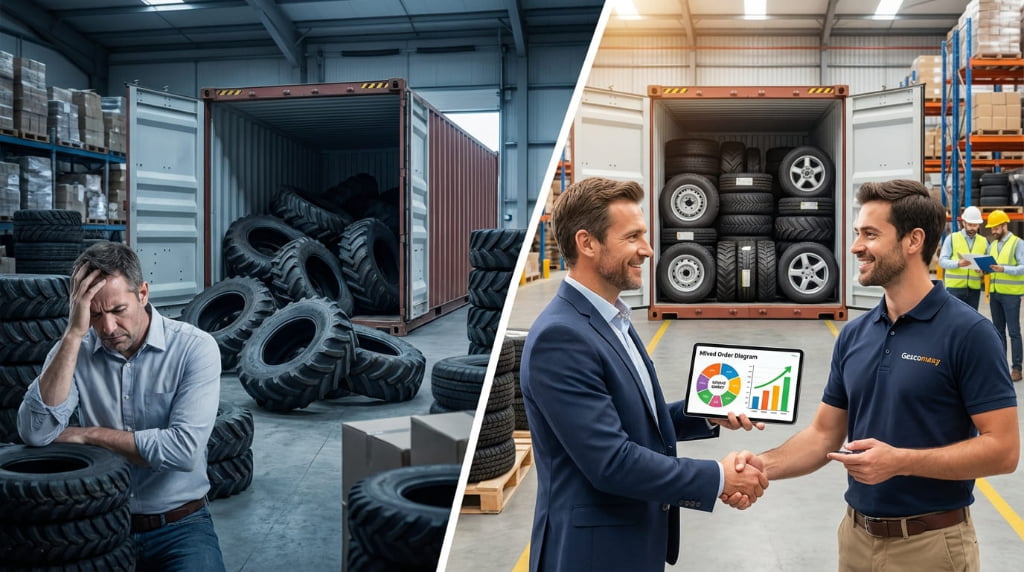
Your warehouse is overflowing with slow-moving stock1, tying up precious cash. This outdated inventory model forces risky, all-or-nothing bets on future demand, threatening your business's financial health and agility.
Dealers are adopting a mixed packing2, low Minimum Order Quantity (MOQ)3 model to dramatically improve cash flow4 and reduce risk. By ordering smaller quantities of multiple SKUs in one shipment, they can maintain a diverse, market-ready inventory without a crippling upfront investment.
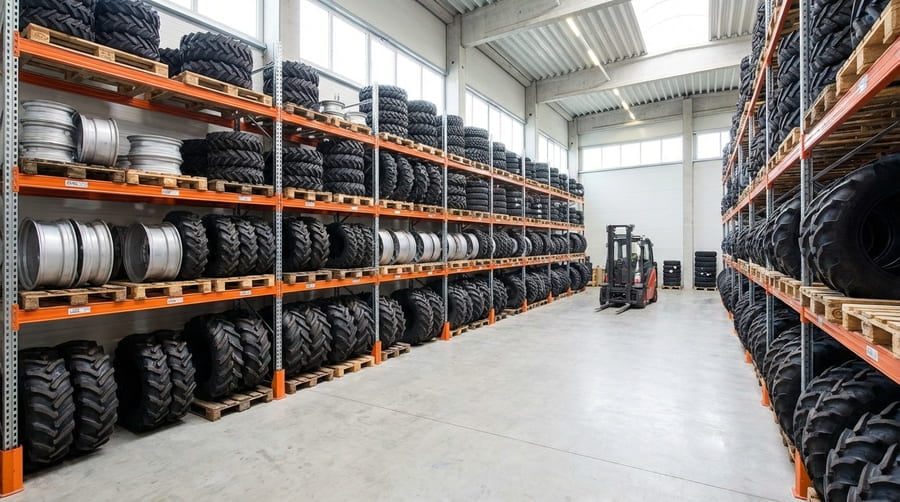
I've spoken with hundreds of dealers over my 13 years in this business, and the story is almost always the same. They are experts in their local markets, knowing exactly what farmers need. But their growth is choked by the rigid constraints of traditional sourcing5. The old "full container" model was designed for a simpler time, not for today's hyper-diverse agricultural landscape where a single farm might operate five different types of machines. This old system feels more like a gamble than a strategy. Let's break down why this model is failing and how a new approach is changing the game for dealers just like you.
How Does the Traditional Sourcing Model Create So Much Risk?
You order a full container of one specific tire size, tying up tens of thousands of dollars. Before it even sells through, a competitor offers a deal or local demand shifts, leaving you with dead stock.
The traditional full-container model6 forces dealers to make massive, single-SKU investments. This creates immense cash flow4 pressure, results in slow inventory turnover7 for non-core sizes, and carries an unacceptably high risk of misjudging the market.
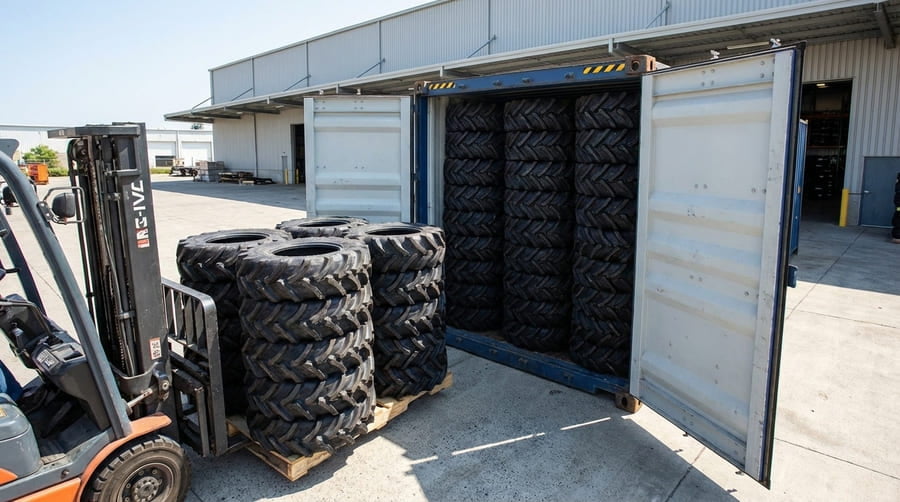
The core problem is the sheer diversity of our industry. We're not just selling one product; we're managing hundreds of SKUs. Think about it: different tire widths, rim diameters, ply ratings, tread patterns, and then wheel offsets and bolt patterns for every major tractor brand. The old model demands you fill an entire container with just one of these SKUs. For many dealers, this feels like gambling with working capital. A dealer I know in Argentina once bet big on a specific combine tire size, ordering a full container just before harvest. A sudden drought hit the region, the harvest was poor, and demand evaporated. He was stuck with that inventory for over a year, and the cash flow4 crunch nearly put him out of business. This is the reality of the old model.
The Risks of the Full-Container Model
| Risk Factor | Description | Impact on Dealer |
|---|---|---|
| Cash Flow Pressure | Large upfront investment required for a single SKU. | Ties up working capital that could be used for marketing, operations, or other products. |
| Slow Inventory Rotation | Niche or non-core sizes sit in the warehouse for months or even years. | Increases carrying costs (storage, insurance) and leads to inventory obsolescence. |
| High Forecasting Risk | Demand for specific SKUs can change rapidly due to weather, crop prices, or new equipment. | A single "wrong bet" on a full container can lead to significant financial loss. |
How Does Mixed Packing with Low MOQ Solve These Problems?
You see an opportunity to sell a few sets of a specialty flotation tire, but you can't justify ordering a whole container. You miss the sale, and your customer goes to a larger competitor.
The Mixed Packing + Low MOQ model allows you to order precisely what you need. You can fill a single container with a diverse mix of SKUs, turning your inventory into a strategic asset instead of a liability.
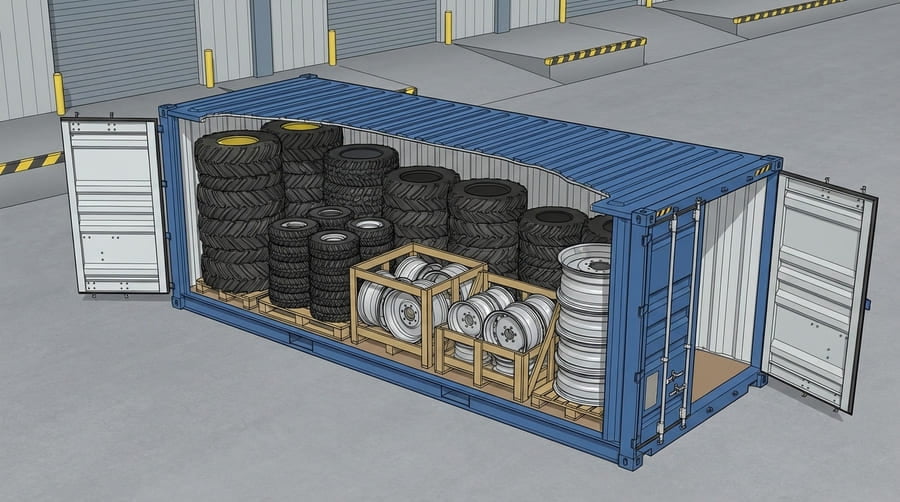
This model fundamentally changes the purchasing equation. Instead of making one big, risky bet, you can make dozens of small, strategic ones. Imagine your customer, a large farm, needs replacement wheels for their John Deere row-crop tractor, a set of flotation tires for their Case IH combine, and some standard tires for their utility vehicles. With the old model, you could likely only help with one of those requests. With mixed packing2, you can order all of those specific items in the exact quantities you need, all within a single shipment. This is possible because we, as your supplier, have flexible production8 lines and a system designed for this. We can produce small batches and then consolidate them for your order. This empowers you to say "yes" to more customers, cover a wider range of market needs, and turn your inventory multiple times a year instead of once every two years.
What Are the Strategic Benefits of This New Model?
You want to grow your business and build your brand, but you're constantly fighting cash flow4 fires caused by slow-moving inventory. This defensive position prevents you from making proactive, strategic moves.
This model shifts your business from a defensive, capital-intensive position to an agile, market-responsive9 one. It allows for rapid market testing, broader catalog offerings, and a stronger, more resilient supply chain10.

The benefits go far beyond just reducing risk; they create a platform for aggressive growth. With low MOQs, you can test a new tire size or a private-label brand with minimal investment. If it sells well, you can quickly reorder. If it doesn't, the financial exposure is tiny. This allows you to experiment and find new, profitable niches in your market. It also means you can offer a much wider catalog of products without needing a warehouse the size of an aircraft hangar. You become a more valuable, one-stop-shop partner to your customers. At Gescomaxy, we even offer assembly services, shipping11 fully assembled tires and wheels together in your mixed container. This saves you time, reduces labor costs, and allows you to deliver a ready-to-install solution directly to your customers, further separating you from the competition.
How Do You Find a Supplier Who Supports This Model?
You're convinced this is the right model for your business, but your current suppliers are stuck in the past. They don't have the systems, flexibility, or even the willingness to support mixed, low-quantity orders.
You need to partner with a supplier who has built their production and logistics specifically for this model. Look for a partner with flexible production8 lines, a dedicated engineering team, and a proven track record of mixed-container shipping11.
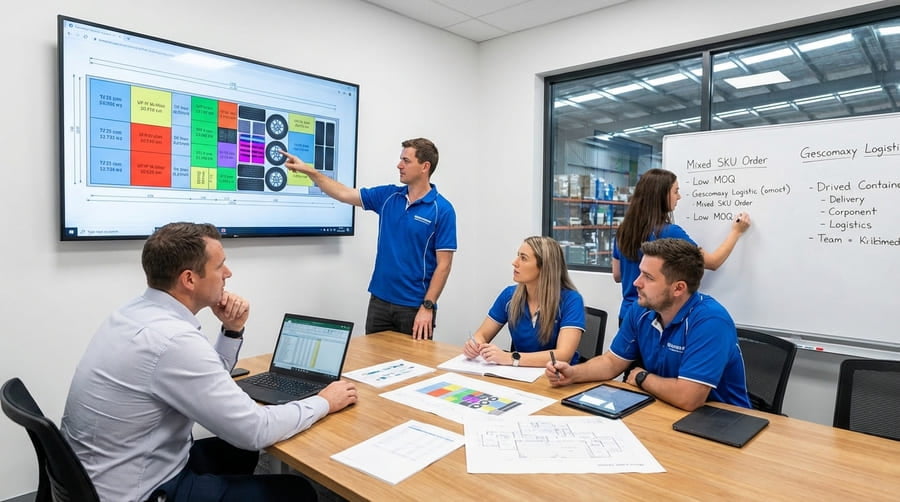
Not every manufacturer can offer this flexibility. It requires a fundamental shift in production philosophy, moving away from long runs of single items toward a more dynamic, small-batch approach. This is exactly how we built Gescomaxy over the last 13 years. Our 10 professional production lines are designed for this kind of flexible manufacturing. Our team of 30+ engineers isn't just focused on design; they are experts in production planning to accommodate parallel orders from multiple clients. We see ourselves not just as a factory, but as a supply chain10 partner. We can provide you with (stock inventory),(planned production), or even support a (private label12 direct-to-customer) model. Finding a partner like us, who embraces this model at their core, is the key to unlocking its full potential for your dealership.
Conclusion
The mixed packing2, low MOQ model is the future for agile dealers. It minimizes risk, optimizes cash flow4, and transforms your inventory into a tool for strategic growth13, not a liability.
Discover effective techniques to handle slow-moving stock and free up cash. ↩
Explore how mixed packing can enhance your inventory flexibility and reduce financial risks. ↩
Understanding MOQ can help you optimize your inventory strategy and improve cash flow. ↩
Learn strategies to enhance cash flow, crucial for maintaining business agility and growth. ↩
Understanding the limitations of traditional sourcing can help you adapt to modern market demands. ↩
Gain insights into the full-container model and its impact on inventory costs and risks. ↩
Improving inventory turnover is key to reducing costs and increasing profitability. ↩
Understanding flexible production can help you choose the right suppliers for your needs. ↩
Explore the importance of being market-responsive for business success and growth. ↩
Understanding supply chain dynamics can enhance your operational efficiency and responsiveness. ↩
Learn about shipping best practices to enhance your logistics and reduce costs. ↩
Learn how private label products can boost your brand and profit margins. ↩
Explore various strategies that can lead to sustainable and strategic business growth. ↩