
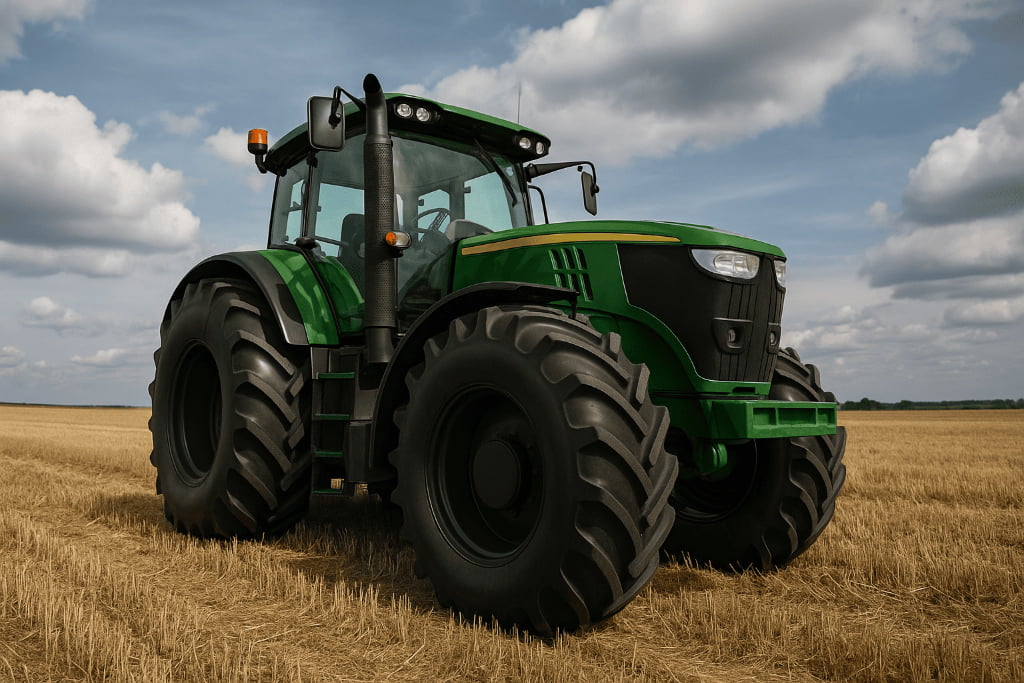
Your go-to OEM ag tires1 are on backorder, and harvest is just weeks away. Every day your tractor is down costs you real money. Is the brand name really worth the wait?
Farmers and dealers are switching to private-label tires2 because they offer greater supply chain reliability3, better value without the brand premium, and higher profit margins for dealers4, making them a more practical and profitable choice in today's market.
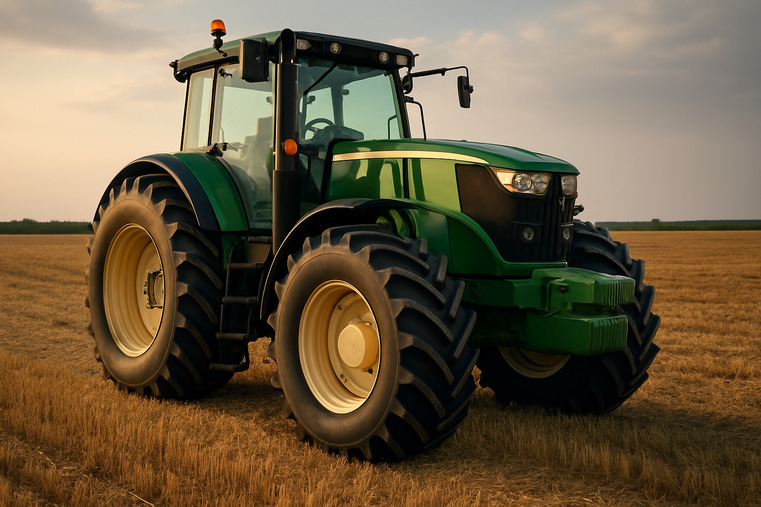
I had a conversation last year with a large farming co-op manager. He was a lifelong loyalist to one of the top three OEM tire brands. But when he needed replacements for half his fleet, he was quoted a six-month lead time. Six months! The harvest couldn't wait. He reluctantly tried a private-label brand we recommended, which we could deliver in three weeks. After a full season of hard use, he called me back, not to complain, but to order more. He realized that the best tire in the world is useless if it's stuck in a container across the ocean. This experience isn't unique; it's the new reality driving a massive shift in the agricultural market5.
Is a Famous Logo More Important Than Having Tires in Stock?
You've always believed that a well-known brand logo guarantees quality and performance. But when you can't get the product, that guarantee means nothing.
No, because brand trust is now being redefined by supply chain reliability3. End-users are discovering that consistent availability6 and stable lead times7 are far more valuable than a familiar brand name, especially when equipment downtime is on the line.

For decades, big brands built their reputation on massive marketing budgets and decades of history. That was the old definition of trust. Today, trust is built in the moment—the moment a dealer can tell a farmer, "Yes, I have that tire in stock." The pandemic and subsequent supply chain chaos exposed the fragility of relying on a few dominant brands. I saw clients with multi-million dollar tractors8 sitting idle for want of a tire. This is where private labels gained their ground. As a supplier, we can often work more nimbly. We aren't tied to a global conglomerate's rigid production schedule. We can offer our partners, like Gescomaxy does, more flexible minimum order quantities9 and faster turnarounds.
The New Definition of Brand Value
| Value Metric | OEM Brand Model | Private-Label Model |
|---|---|---|
| Source of Trust | Logo, heritage, marketing | Availability, delivery speed, supplier reliability |
| Key Weakness | Long lead times7, supply chain vulnerability | Perceived lower brand recognition |
| User Priority | "Get me the brand I know." | "Get me a quality tire, now." |
When a season's profit depends on it, availability6 isn't just a feature; it's the most important feature of all.
Aren't Private-Label Tires Just a Cheaper, Lower-Quality Option?
You suspect that the lower price of a private-label tire must mean corners were cut. It feels too good to be true, so there must be a catch in quality.
Not at all. Many private-label tires2 are produced in the same factories, to the same engineering specs10, as major brands. They simply bypass the massive marketing overhead11 and brand premiums, delivering that value directly to the user.

This is the biggest misconception I have to clear up for new clients. They associate "private label" with "cheap knock-off." The reality is quite different. Many major tire manufacturers run their factories at less than 100% capacity. They fill that extra production time making tires for other brands—including private labels. The raw materials are often the same, the quality control12 follows the same stringent standards (like ISO 9001), and the engineering is functionally identical. The only thing missing is the multi-million dollar advertising budget and the layers of corporate markup. When you buy a private-label tire from a reputable supplier, you are essentially getting a de-branded OEM-quality product13. You're paying for performance and materials, not for a logo. It’s a direct line from production cost to user value.
Does Brand Loyalty Last Beyond the First Set of Tires?
You assume that because a farmer bought a tractor with a specific tire brand, they'll stick with that brand for life. It seems like a built-in customer for the OEM brand.
Rarely. OEM brand loyalty14 is incredibly fragile and often breaks after the first replacement cycle. Once the original tires wear out, farmers prioritize value, availability6, and dealer recommendations15 over the original brand.

Think about the user's journey. A farmer buys a new John Deere or CNH tractor. It comes with a set of Michelin or Firestone tires. They didn't choose the tire; they chose the tractor. For the first 2,000-4,000 hours, they run on those OEM tires. But when it's time for a replacement, the equation changes. They are now an active buyer. They will call their local dealer and ask, "What do you have that fits, is in stock, and gives me the best bang for my buck?" The original brand is just one option among many. If that OEM tire is 30% more expensive and has a 3-week lead time, while the dealer has a high-quality private label in stock for immediate installation, the choice becomes very easy. The initial brand association with the tractor is gone. The decision is now purely practical.
Why Would a Dealer Recommend a Lesser-Known Brand?
You'd think a dealer would want to sell the most prestigious, well-known brands to bolster their own reputation. Pushing a private label seems counterintuitive.
It's simple economics: dealer margin is significantly higher on private-label tires2. A dealer might earn a 5-8% margin on an OEM tire, but they can make 15-25% on a private label, naturally incentivizing them to promote it.
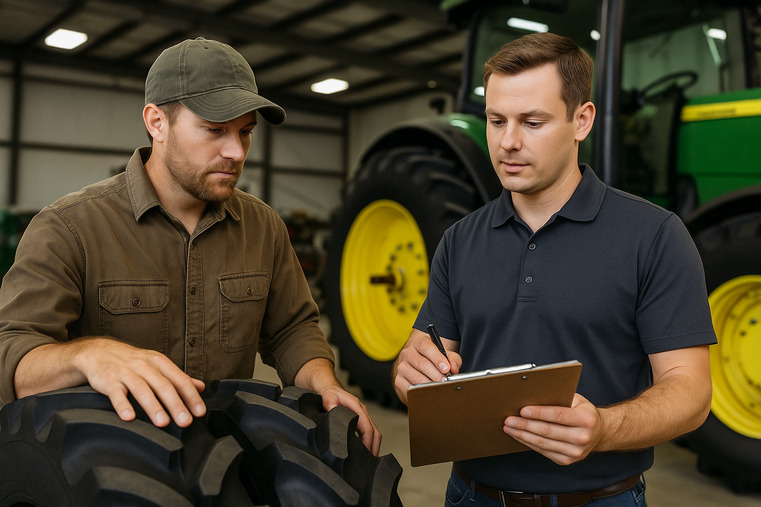
Dealers are business owners. While they care about quality and reputation, they also have to keep the lights on. The margin structure for major OEM brands is very tight. There's a set price, and there's very little room to move. A dealer might sell a $4,000 OEM-brand ag tire and make only $200. On the other hand, a private-label tire sourced from a partner like us might cost the dealer less, allowing them to sell it at a competitive price to the farmer while still capturing a much healthier margin—say, $600 on a $3,500 tire. This is a powerful incentive. As long as the dealer trusts the quality and reliability of the private-label supplier, they will naturally guide customers toward the more profitable option. The channel itself is now driving the shift, creating a powerful feedback loop that further strengthens the position of private brands.
Conclusion
The agricultural tire market is shifting from brand worship to practical reality. Private labels are winning by delivering what matters most: availability6, genuine value, and a stronger partnership with the dealer channel.
Explore the advantages of OEM ag tires to understand their value in agricultural applications. ↩
Learn about private-label tires and how they can offer better value and reliability. ↩
Discover the importance of supply chain reliability in ensuring timely access to tires. ↩
Understand the financial incentives for dealers to promote private-label tires. ↩
Stay informed about the latest trends affecting the agricultural market. ↩
Discover why tire availability is a key factor for farmers during harvest. ↩
Find out how lead times affect tire availability and farmer operations. ↩
Understand the unique challenges that high-value tractor owners encounter. ↩
Explore how flexible ordering can benefit dealers and farmers alike. ↩
Learn about the engineering specifications that define tire performance. ↩
Explore how marketing costs impact the pricing of tires in the market. ↩
Explore the quality control measures that ensure tire performance and safety. ↩
Learn about the concept of de-branded products and their value to consumers. ↩
Investigate the factors influencing brand loyalty in the agricultural tire market. ↩
Understand the role of dealer recommendations in guiding farmers' tire purchases. ↩