
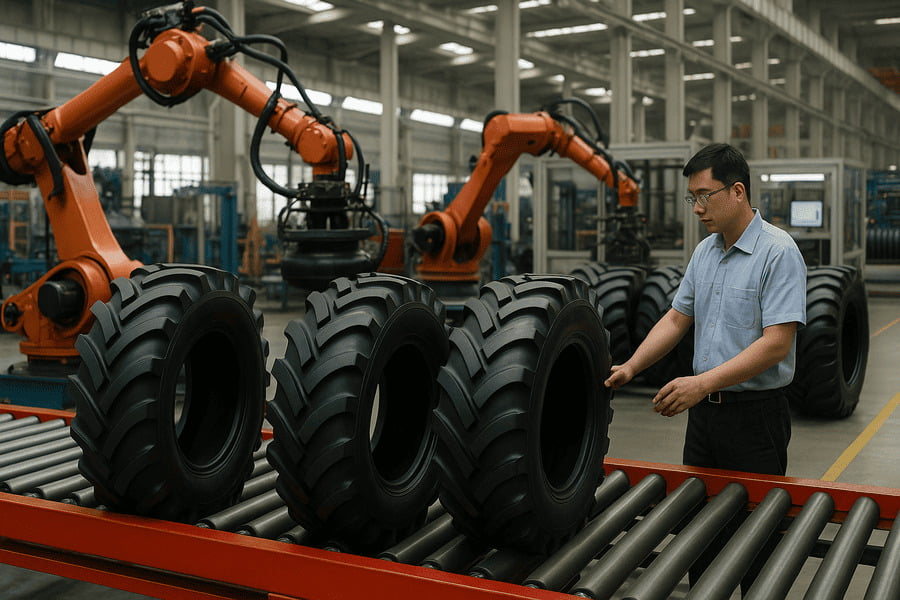
You hear "Made in China" and immediately think of low-cost, mass-produced goods. This perception makes you hesitant to source specialized, high-performance tires1 from Chinese suppliers for a critical application like irrigation.
Chinese manufacturers2 are uniquely positioned due to their mature industrial ecosystems, which offer economies of scale3, advanced customization capabilities4, and stringent quality control5. This combination allows them to deliver high-performance, reliable irrigation tires at a competitive price point.
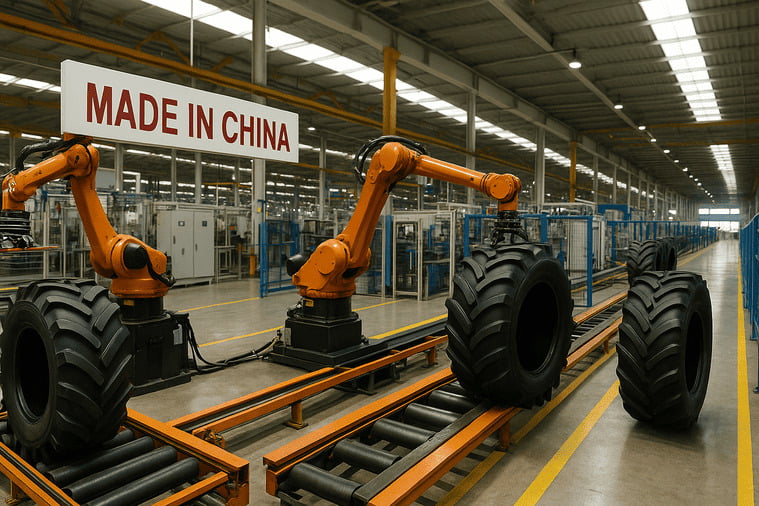
A few years back, I was meeting with a procurement manager for a large equipment dealer in Africa. He was expanding into irrigation systems but was sourcing tires from a traditional, more expensive European brand. He told me, "I can't risk my reputation on Chinese quality for something this important." I invited him to visit our facilities. He was expecting a dirty, old-fashioned factory. What he saw was our ISO 9001 certified6 production lines7, our raw material testing lab, and our engineers designing custom tread patterns. He saw quality control5 at every step. He realized his perception was outdated. Today, we are his exclusive supplier for irrigation tires, because he understood that modern Chinese manufacturing is about delivering value and quality, not just a low price.
How Is Agricultural Modernization Creating Opportunities for China?
You see the agricultural boom in developing countries but assume local suppliers will capture the market. This makes you overlook the scale and speed of this transformation, which often outpaces local capacity.
As developing nations rapidly adopt modern center-pivot irrigation, they create a sudden, massive need for specialized tires8. Chinese manufacturers2 can meet this surge in demand immediately with high-volume production, certified quality, and established global logistics9.
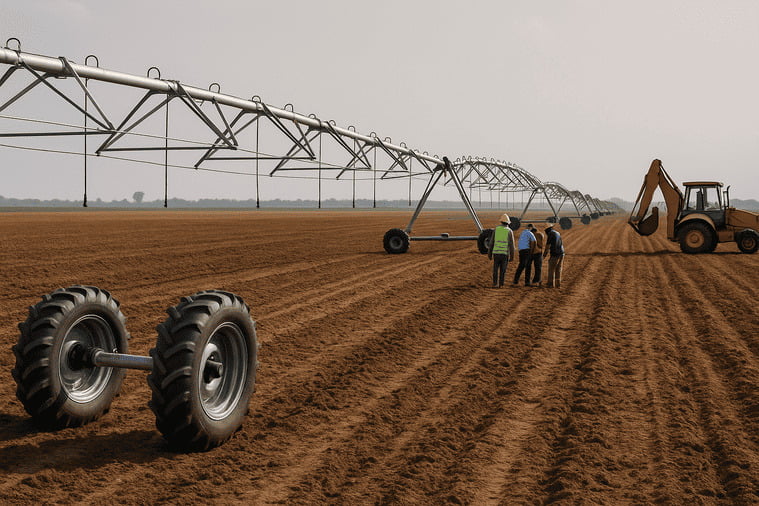
The shift to modern agriculture in many parts of the world is not a slow evolution; it's a revolution. Governments are subsidizing water-efficient technologies, and large farms are being established quickly. They aren't buying one or two systems; they are installing dozens at a time. Local tire production, if it exists, is often unprepared for this demand for a specialized product. They need a partner who can deliver thousands of certified, reliable tires on a tight schedule. This is where China's manufacturing power becomes a key advantage. We have the production lines7, the access to raw materials, and the experience in global shipping to meet this demand head-on. For my clients in these growing markets, our ability to deliver quality at scale is the reason they can complete their projects on time.
The Modernization Gap
| Market Factor | Local Supplier Capability | Chinese Supplier Advantage |
|---|---|---|
| Production Scale | Limited, often for basic tires | Massive, ready for high-volume orders |
| Product Specialization | Lacks R&D for niche tires | Experienced in specialized engineering |
| Quality Certification | Often uncertified, inconsistent | ISO 9001 and other global standards |
| Supply Chain | Regional, limited logistics | Mature global shipping network |
Can Chinese Manufacturing Balance Cost and Quality?
You believe that a low price from a Chinese supplier must mean a compromise on quality. This "either/or" thinking forces you to choose between saving money and getting a reliable product.
Yes, because China's cost advantage comes from economies of scale3 and supply chain efficiency10, not from cutting corners. Mature production ecosystems allow manufacturers to invest in advanced quality control5 (like ISO 9001) while keeping prices competitive.
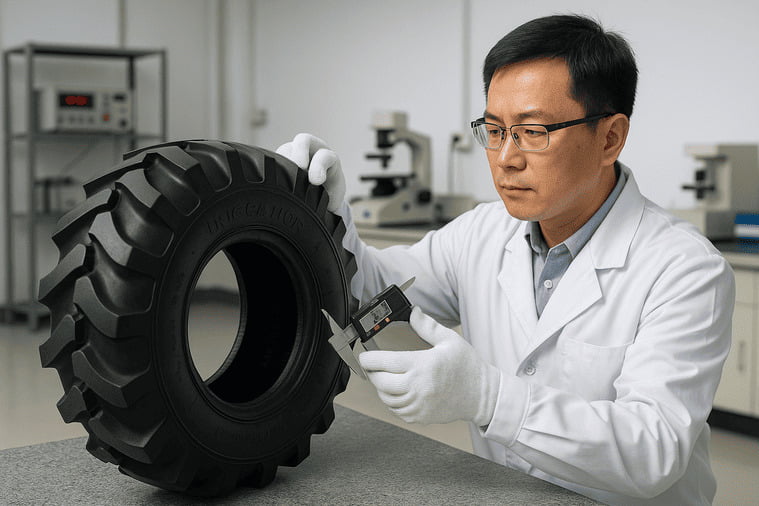
Many people don't understand where the "China price" comes from. It's not about using cheap rubber. It's about efficiency. When you have entire cities dedicated to manufacturing, your logistics costs plummet. When you produce millions of tires, you can negotiate better prices for top-grade raw materials. This efficiency allows us to invest in things that actually matter to the customer. We can afford the rigorous testing and certification processes required for ISO 9001. We can invest in R&D to create better rubber compounds11 that resist UV degradation. My clients are often surprised when they see our QC process. We conduct raw material analysis, multiple performance tests during production, and a full inspection before shipping. The cost savings are a result of the system, which frees up capital to be invested back into ensuring a high-quality, reliable product.
Why Is Customization the Key to Winning This Niche Market?
You think one standard irrigation tire fits all systems. This leads you to offer a generic product that doesn't solve the specific problems your customers face, like severe soil compaction or unusual load requirements.
Because soil types, system weights, and farming practices vary globally. Chinese manufacturers2 excel at flexible production, allowing them to offer customized tread patterns12, load ratings, and even rubber compounds11 with a low minimum order quantity (MOQ), providing a perfect solution for every customer.
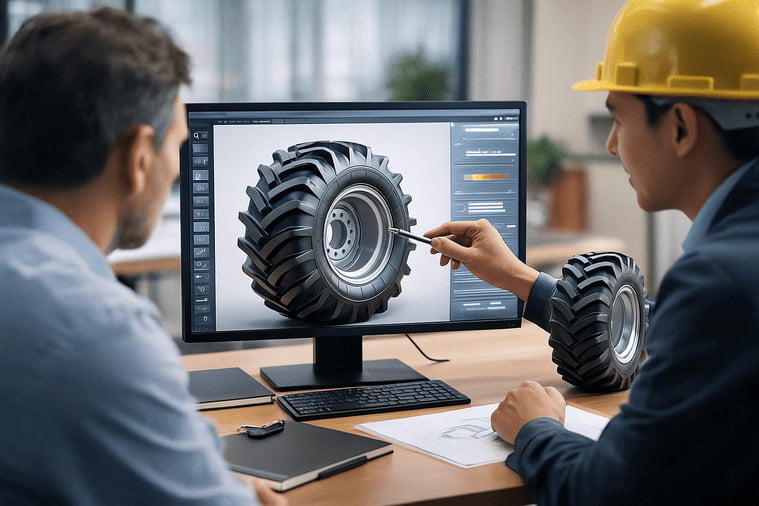
The irrigation tire market is the definition of a niche. A farmer in the sandy soil of the Middle East needs a tire with maximum flotation. A farmer in the heavy clay soil of South America needs a tread that sheds mud to maintain traction. A standard, off-the-shelf tire is a compromise for both. The ability to customize is what turns a good supplier into a great partner. At my company, we regularly work with clients to develop specific solutions. A customer might need a tire with a higher load rating for a heavier system or a different rubber compound to handle extreme heat. Because our production lines7 are flexible, we can accommodate these requests, often for a surprisingly low MOQ. We've even had clients invest in their own molds for a proprietary design. This level of partnership and customization is a core strength of the modern Chinese manufacturing model.
Conclusion
Chinese manufacturers2' unique blend of scale, quality control5, and customization makes them ideal partners for the growing global irrigation tire market, moving far beyond outdated perceptions of low-cost production.
Learn about the advantages of using high-performance tires in irrigation systems. ↩
Explore how Chinese manufacturers leverage scale and quality to excel in tire production. ↩
Find out how economies of scale can reduce costs and improve production efficiency. ↩
Discover how customization enhances tire performance for specific agricultural needs. ↩
Explore effective quality control practices that ensure product reliability. ↩
Understand the significance of ISO 9001 certification in ensuring product quality. ↩
Discover the elements that make up efficient and effective production lines. ↩
Learn about the significance of specialized tires in modern agriculture. ↩
Explore the importance of global logistics in meeting international demand. ↩
Understand how efficient supply chains can lower production costs and improve quality. ↩
Understand the role of rubber compounds in tire performance and durability. ↩
Discover how tailored tread patterns can enhance tire performance in various conditions. ↩