
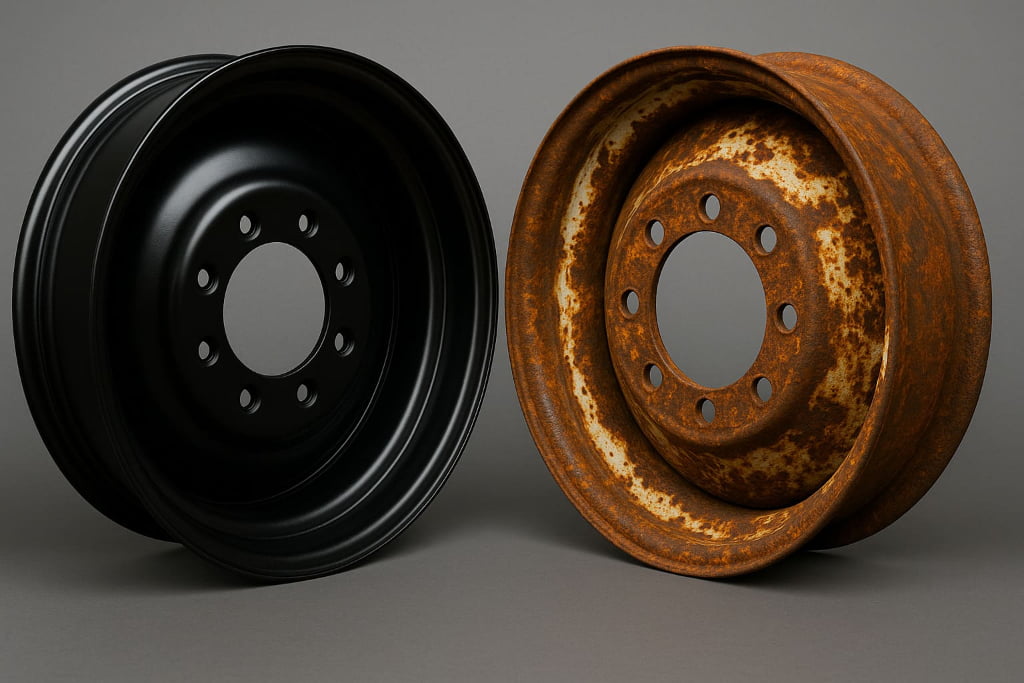
Tired of customer complaints1 about rims rusting2 after just one season? This common problem damages your brand's reputation and creates warranty headaches that could have been easily avoided.
Powder coating is vastly superior to wet paint3 because it creates a thicker, more durable, and non-porous barrier. It electrostatically bonds4 to the metal and is cured by heat, providing proven resistance to the chemicals and abrasion common in harsh agricultural environments5.
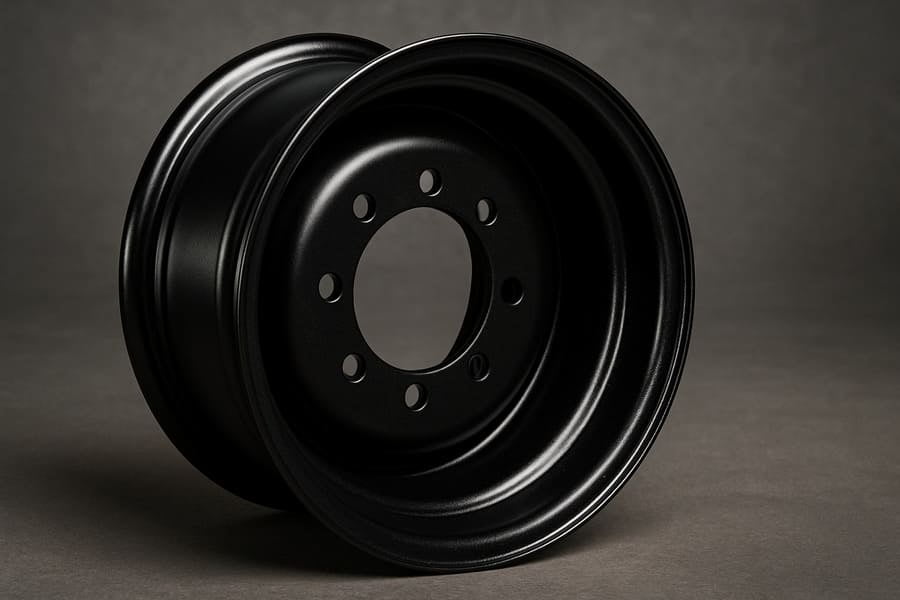
I once worked with a brand manager who was pulling his hair out. His company was selling high-quality farm implements, but the wheels looked terrible within a year. He was getting calls about rims that were peeling and covered in rust, especially from customers in coastal areas or those who used a lot of liquid fertilizer. The problem wasn't the steel; it was the finish. The standard wet paint3 they were using just couldn't stand up to the daily abuse of farm life. It made his premium equipment look cheap and poorly made. This experience taught me that the finish on a rim isn't a minor detail—it's a critical component of product quality and brand perception.
Why Does Wet Paint Fail So Quickly in the Field?
It's frustrating to see your equipment look old and rusted after a single season. This makes customers question the overall quality of your machinery.
Wet paint is a thin, surface-level layer that is easily compromised. Abrasive mud scratches it, and corrosive chemicals like fertilizer and urea seep into micro-cracks, attacking the steel underneath and causing the paint to bubble and peel.
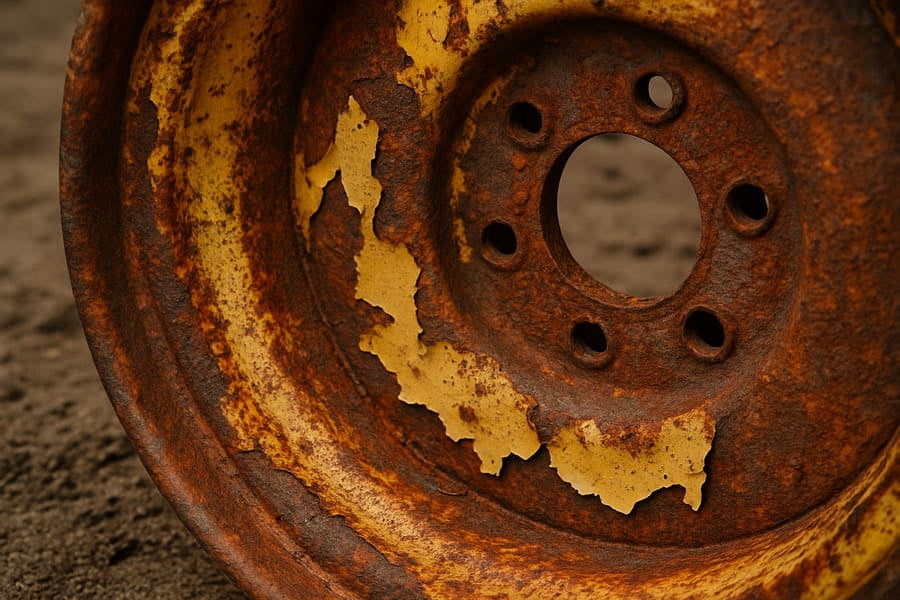
Think of wet paint3 as a thin film sitting on top of the metal. It’s not truly bonded with the surface. In an agricultural setting, this finish is under constant attack. First, there's the physical damage. Mud, dirt, and gravel are highly abrasive and act like sandpaper, wearing down the thin paint layer and creating tiny scratches. Then comes the chemical assault. Liquid fertilizers, urea, and even manure are highly corrosive. These substances seep into the scratches and pores of the paint, reaching the bare steel. Once moisture and chemicals get under the paint, rust begins to form. This rust spreads underneath the paint layer, causing it to lift, bubble, and flake off. This process can happen surprisingly fast, making a new piece of equipment look old and neglected in just a few months.
Are Powder Coating and E-Coating Really That Different?
You hear terms like "powder coating6" and "e-coating," but it's hard to tell if they're just marketing buzzwords. You need to know the real difference.
Yes, they are fundamentally different. Unlike paint, powder coating6 is a dry powder that is electrically bonded to the metal and then cured into a hard, plastic-like shell. E-coating uses a liquid bath and an electric current to ensure every surface is evenly coated.
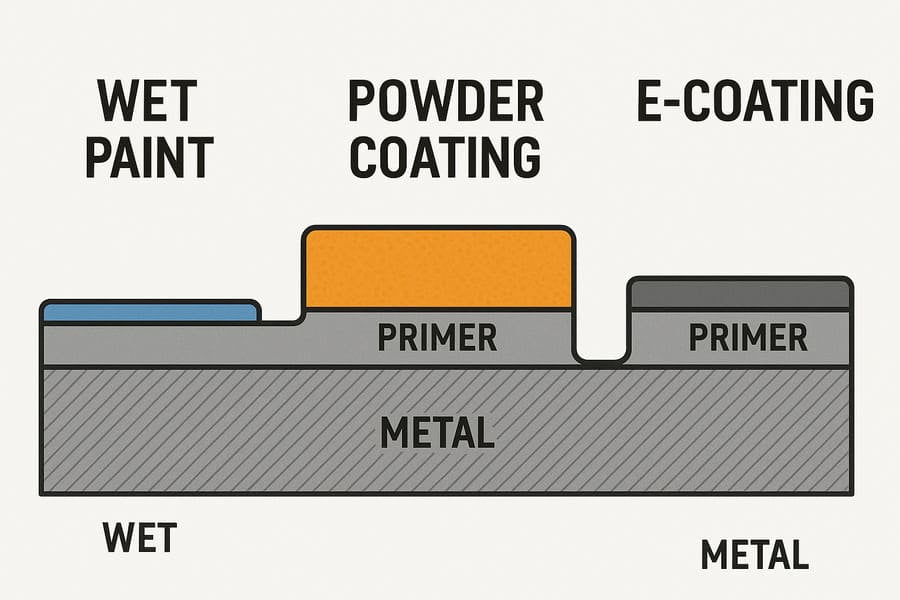
Let's break down these technologies. Wet paint is just what it sounds like: a liquid pigment sprayed onto a surface that air-dries. It's a simple, low-cost process, but the resulting layer is thin and fragile. Powder coating, however, is a completely dry process. A fine powder is given a positive electrostatic charge and sprayed onto a grounded metal rim. The charge makes the powder cling to the metal like a magnet. The rim is then baked in an oven, which melts the powder into a smooth, thick, and incredibly durable finish. E-coating (electro-coating) is like a high-tech primer. The rim is dipped into a liquid bath and an electric current is applied, causing the coating particles to bond to every single nook and cranny of the metal surface, even inside sharp corners. We often use e-coating as a base layer for maximum rust protection, followed by a powder coat top layer for durability.
Coating Technology Comparison
| Feature | Wet Paint | Powder Coating | E-Coating (as base) |
|---|---|---|---|
| Application | Sprayed Liquid | Electrostatic Dry Powder | Electro-deposition Dip |
| Adhesion | Low - Mechanical | High - Electrostatic | Very High - Electrical |
| Thickness | Thin (~25 microns) | Thick (60-120 microns) | Uniform (~20 microns) |
| Coverage | Prone to drips/runs | Very Consistent | Total & Uniform |
| Chemical Resistance | Poor | Excellent | Very Good |
| Impact Resistance | Poor | Excellent | Good |
What Does a 1000-Hour Salt Spray Test Actually Prove?
You need more than just promises to justify a better coating. You need hard data to show your team and your customers that it's worth it.
The salt spray test7 proves durability by accelerating corrosion. Our tests show that after 1,000 hours, wet-painted rims are heavily rusted, while our powder-coated rims show little to no damage, proving their superior protection in real-world conditions.
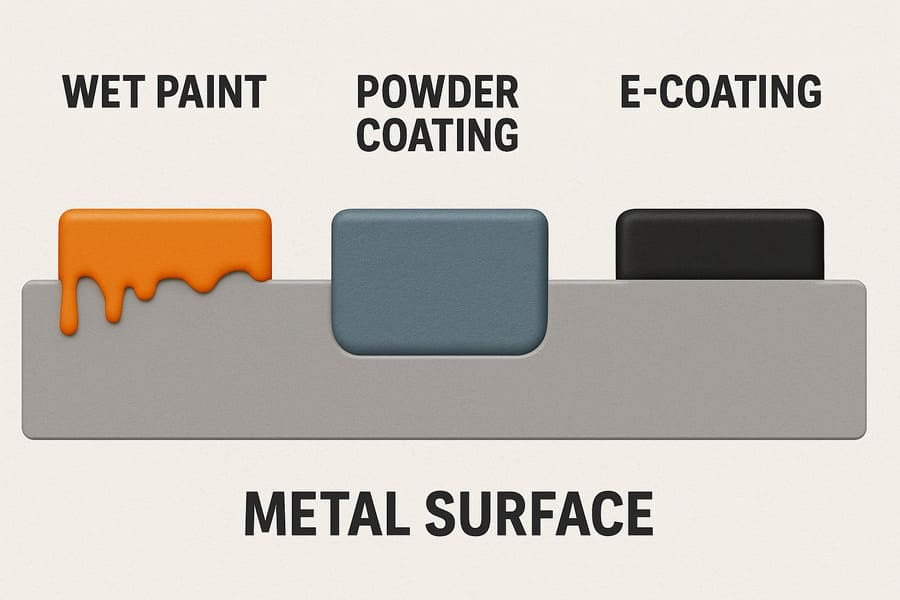
A salt spray test7 is a standardized method used in the industry to check the corrosion resistance of coatings. We place coated rims inside a sealed chamber and expose them to a continuous, dense saltwater fog under controlled temperatures. This environment is brutally corrosive and simulates years of exposure to road salt, sea air, or chemical fertilizers in a very short time. One thousand hours in this chamber is an extreme test of endurance. As our results clearly show, the standard wet-painted rim fails spectacularly. The paint has bubbled and peeled, and red rust has taken over the surface. In stark contrast, our rim with an e-coat primer and powder coat top layer looks almost untouched. This isn't just a marketing claim; it's visual, scientific proof that our coating system provides a far superior level of protection that will last for years, not months.
How Do Premium Coatings Protect Resale Value?
Your customers, especially large farm operations, care about the total cost of ownership8. The resale value9 of their equipment is a big part of that calculation.
Equipment that looks good sells for more. A rim with an intact, rust-free powder coat finish signals that the machine has been well-maintained, directly increasing its resale value9 and helping the farmer recoup more of their initial investment.
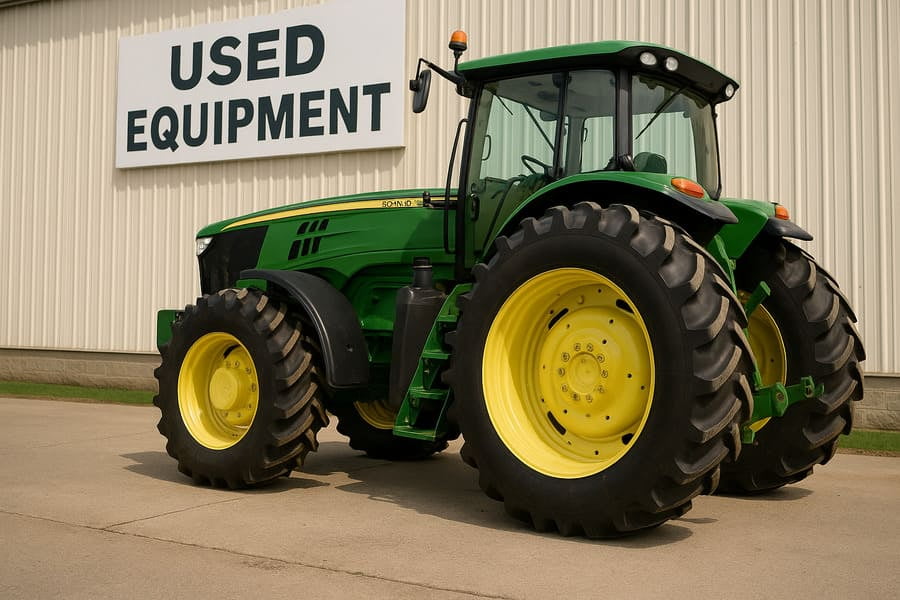
When a farmer decides to trade in or sell a piece of equipment, its appearance plays a huge role in the appraisal value. A tractor or implement with rusty, peeling wheels immediately looks worn out and poorly cared for, regardless of how well it runs mechanically. Buyers will assume it has had a hard life and will offer a lower price. On the other hand, equipment with wheels that are still in great condition gives an impression of quality and good maintenance. It suggests the owner took care of their investment. By choosing a premium powder coating6 for your rims, you are helping your customers protect their asset's value. This long-term benefit is a powerful selling point. It shows you're not just thinking about the initial sale, but about the entire lifecycle and financial return for your customer.
Conclusion
Choosing powder-coated rims is not an expense; it's an investment in your brand's reputation, customer satisfaction, and the long-term value of the equipment you sell. The data proves it.
Explore this resource to learn how to effectively manage and resolve customer complaints, enhancing your brand's reputation. ↩
Understanding the causes of rim rusting can help you prevent it and improve product quality. ↩
This resource provides a detailed comparison, helping you make informed decisions about coating options. ↩
Explore the science behind electrostatic bonding to understand its benefits in coating applications. ↩
This resource discusses the specific challenges coatings face in agriculture, helping you choose the right solutions. ↩
Discover the advantages of powder coating, which can significantly enhance the durability of your products. ↩
Learn about the salt spray test and its significance in evaluating coating durability. ↩
Understanding total cost of ownership can help you make better decisions for your customers. ↩
Discover how the right coating can enhance the resale value of your equipment, benefiting your customers. ↩