

A irrigation tire is bulging, but the manufacturer says it's not a defect. Now you're stuck between a rigid policy1 and an angry farmer whose season is on the line.
These non-warranty issues2 create the biggest problems because they aren't technical failures; they are relationship failures3. They bypass clear-cut warranty rules and directly attack your customer's trust and your reputation, which are far more valuable than any single tire.

I remember a conversation with a procurement manager, let's call him David. He was furious. A set of tires on one of his client's pivots was wobbling badly, but they weren't flat. Our inspection showed no catastrophic failure, so technically, it didn't qualify for a warranty replacement. I could have just sent him the policy document and closed the case. But I knew that "winning" the argument meant losing a great partner. The real problem wasn't the tire; it was David's trust in us, which was eroding with every phone call. That experience taught me that the most expensive problems are the ones that a warranty policy can't solve.
Are Bulges and Hopping Just 'Normal Wear' or a Ticking Time Bomb?
You spot a tire with an uneven bulge. It’s not a blowout, but it looks wrong. Ignoring it feels risky, but replacing it means eating the cost yourself.
These are "soft failures4." While they may not cause a dramatic blowout, they signal internal instability5 or weakness. They are a ticking time bomb because they compromise the system's reliability, even if they technically fall outside strict warranty definitions of a defect.
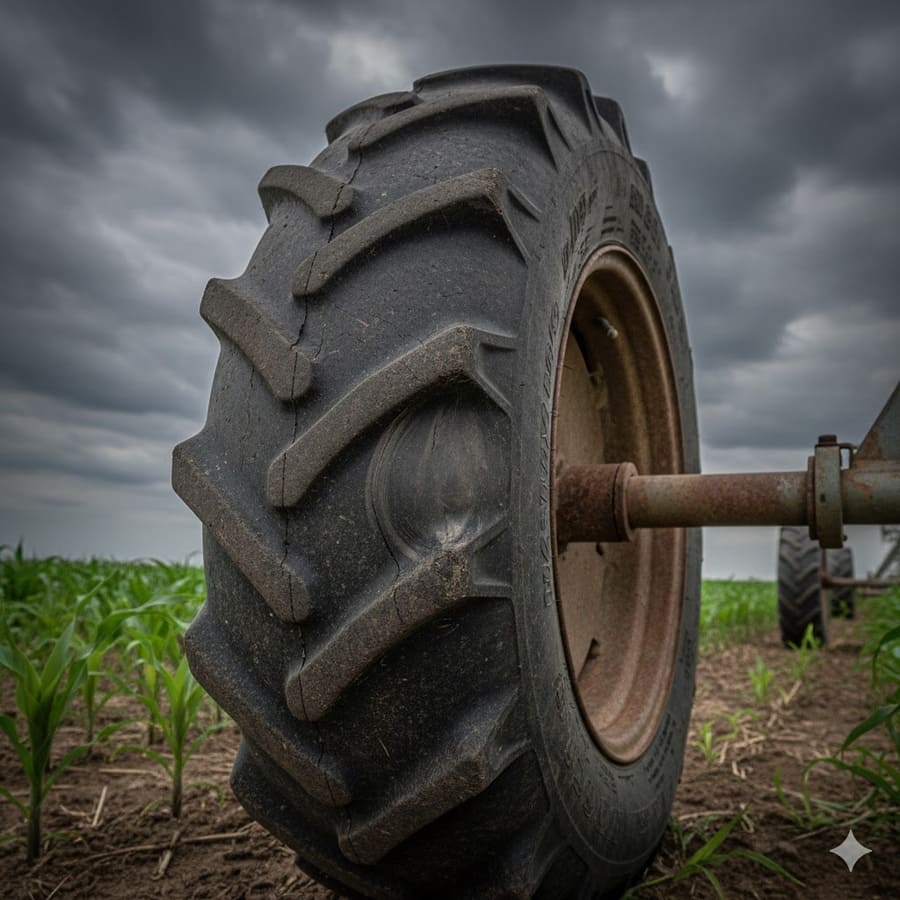
In my 13 years of exporting agricultural irrigation tires, I've seen that catastrophic blowouts6 are actually quite rare. The problems that plague dealers and farmers day-in and day-out are much quieter. We call them "soft failures4": a tire that starts to bulge on the sidewall, a bead that won't seat perfectly, or a wobble that causes the whole tower to hop as it moves. A manufacturer's warranty is written for clear, measurable defects—a popped seam, a cracked casing. But a soft failure exists in a gray area7. It hasn't "failed" in a way a camera can prove, but everyone standing in the field knows it's not right. It’s no longer reliable, and that lack of reliability is a huge risk in the middle of a growing season.
Catastrophic vs. Soft Failures
| Failure Type | Warranty Status | The Real Problem for Dealers |
|---|---|---|
| Blowout / Rupture | Usually Covered | A straightforward technical problem. The process is clear: document, claim, replace. It's a logistical issue. |
| Bulge, Wobble, Hop | Often Not Covered | A relationship problem. The process is ambiguous, leading to disputes, lost time, and damage to your credibility. |
Why Does a $200 Irrigation Tire Dispute Cost You a $20,000 Customer?
You save a couple hundred dollars by denying a claim on a "gray area7" tire. But your customer is now taking calls from your competitor and their trust in you is gone.
The dispute isn't about the cost of one irrigation tire; it's about the value of the entire relationship. When a customer feels you are hiding behind policy instead of solving their problem, you lose their future business, referrals, and your reputation as a reliable partner.
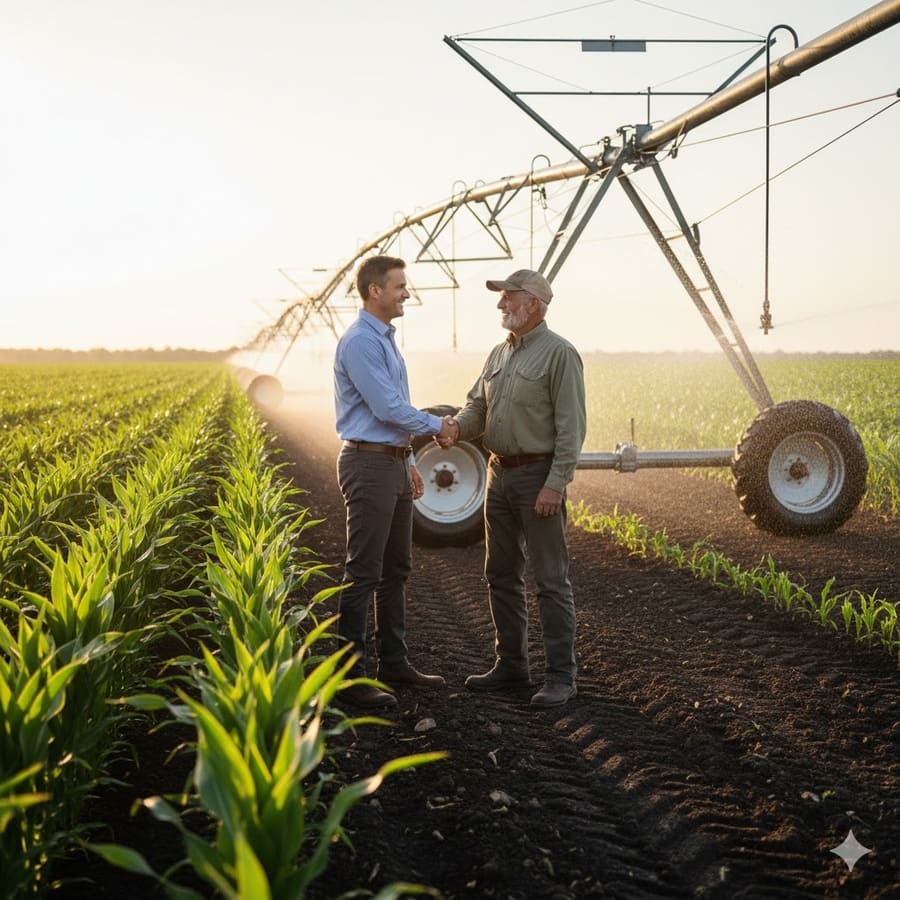
The math on this is simple but often ignored. A dealer might fight tooth and nail over a $200 tire that has a soft failure, feeling that giving in is a loss. But what is the true cost? The real cost is the time your service manager spends arguing on the phone. It's the cost of sending a technician out multiple times to inspect the "problem irrigation tire." Most importantly, it's the lifetime value of that customer. A large farming operation might spend tens of thousands of dollars with you every year. If they feel you left them hanging over a single questionable tire, they will remember that. The next time they need a full set of tires, they'll call someone who they believe will stand behind their product, warranty policy or not. You're not just selling tires; you're selling reliability and peace of mind8. That's what a customer is truly paying for.
How Do Unresolved Issues Turn into Long-Term Headaches?
You "solved" a irrigation tire issue last season by telling the farmer to just keep an eye on it. This season, the problem is back, and now the customer is twice as angry.
Unresolved soft failures4 create long-term headaches because they never truly go away. They resurface and compound over time, eroding trust with each recurrence. A problem that could have been a small, one-time fix becomes a chronic source of frustration9 and doubt.
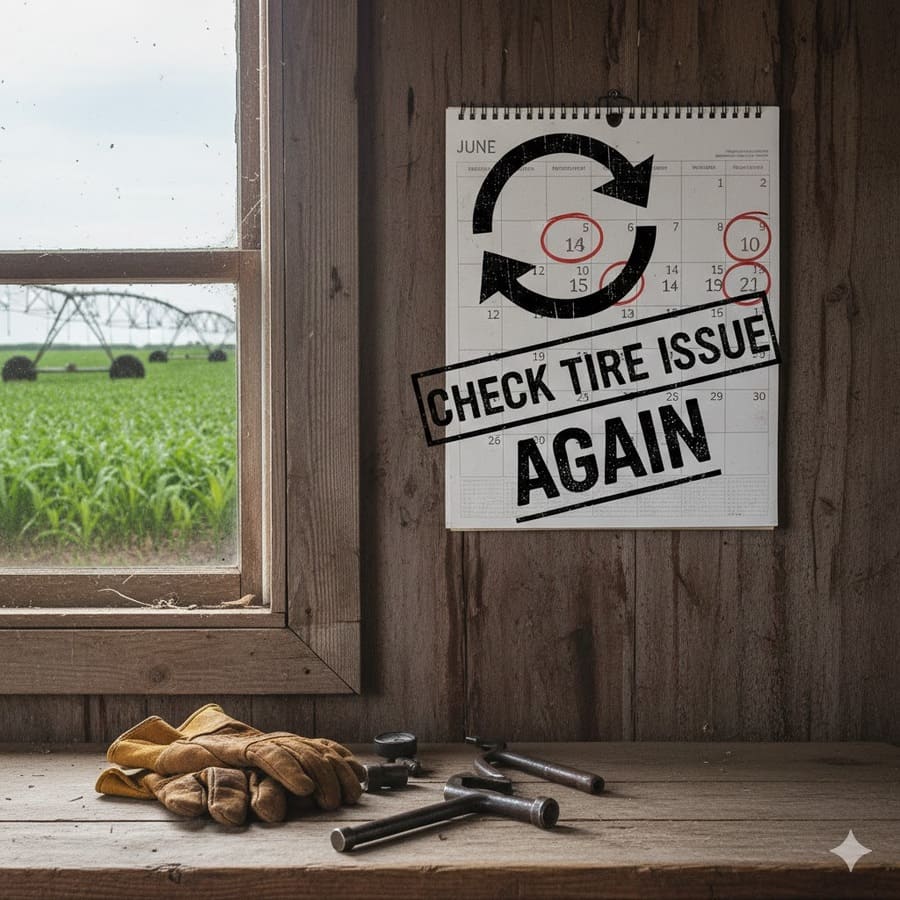
A clean break is easy to fix. A blowout gets a new tire, and the incident is over. But a soft failure that you don't decisively handle lingers. It becomes part of the customer's story about your brand. I once saw a situation where a fleet of pivots had a minor but persistent hopping issue. The dealer kept telling the farm manager it was "within spec." The first year, the manager was concerned. The second year, he was annoyed. By the third year, he was actively looking for a new supplier, even for his other equipment. The original problem wasn't a big deal, but the dealer's failure to provide a definitive solution turned it into a symbol of unreliability. By not absorbing the small cost to fix it decisively early on, the dealer ensured the problem would grow until it destroyed the entire relationship.
Conclusion
The biggest threats to your business aren't blowouts. They are the "gray area7" failures that force you to choose between a rigid policy1 and a valuable customer relationship. Always choose the relationship.
Understanding the impact of rigid policies can help businesses adapt and prioritize customer relationships over strict rules. ↩
Understanding non-warranty issues helps you navigate customer relationships and maintain trust, which is crucial for long-term business success. ↩
Exploring relationship failures can provide insights into maintaining customer trust and avoiding long-term business damage. ↩
Learning about soft failures can help you identify potential risks in tire reliability and address them before they escalate. ↩
Understanding internal instability in tires can help you prevent potential failures and ensure system reliability. ↩
Knowing the causes of catastrophic blowouts can help you implement preventive measures and improve safety. ↩
Exploring gray area issues can help you navigate complex warranty claims and maintain customer satisfaction. ↩
Providing reliability and peace of mind is key to customer satisfaction and loyalty, crucial for business growth. ↩
Avoiding chronic frustration is essential for maintaining a positive brand image and customer loyalty. ↩