
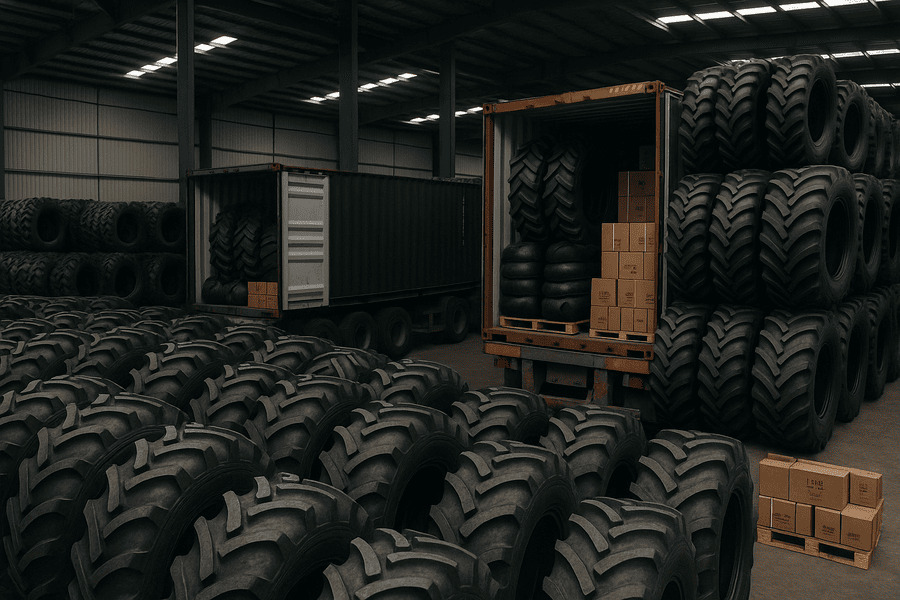
The harvest season1 is approaching. You're torn between the risk of overstocking and the certainty of lost sales if you can't meet the sudden, intense demand from farmers.
Our Low MOQ (Minimum Order Quantity)2 and Mixed Loading model3 lets you build a safety stock4 with small, frequent orders. This way, you're prepared for the harvest rush without tying up all your capital in a single, high-risk container.
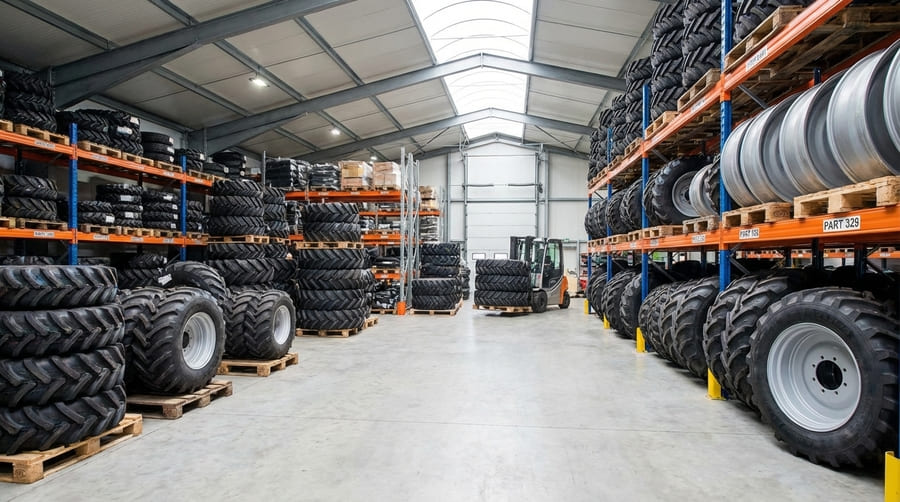
In my 13 years of exporting agricultural tires, I've seen the same story play out every year. A dealer plays it safe and orders light. Then, the harvest season1 hits, a machine goes down, and a farmer needs a specific tire today. The dealer doesn't have it, and they can't get it from China in time. The sale is lost. On the flip side, I've seen dealers go all-in on one container of a popular size, only for demand to shift, leaving them with dead stock5 for a year. This painful cycle is exactly why we built our supply chain model differently.
Why is the Traditional Full-Container Model So Risky for Dealers?
You're forced to buy a full container of one product. This ties up huge amounts of cash and warehouse space, all based on a sales forecast that might be completely wrong.
The full-container model6 forces a massive, high-risk investment on just one or two SKUs. If demand for that specific size is lower than expected, you're left with dead stock5 and a significant financial loss, crippling your cash flow7.
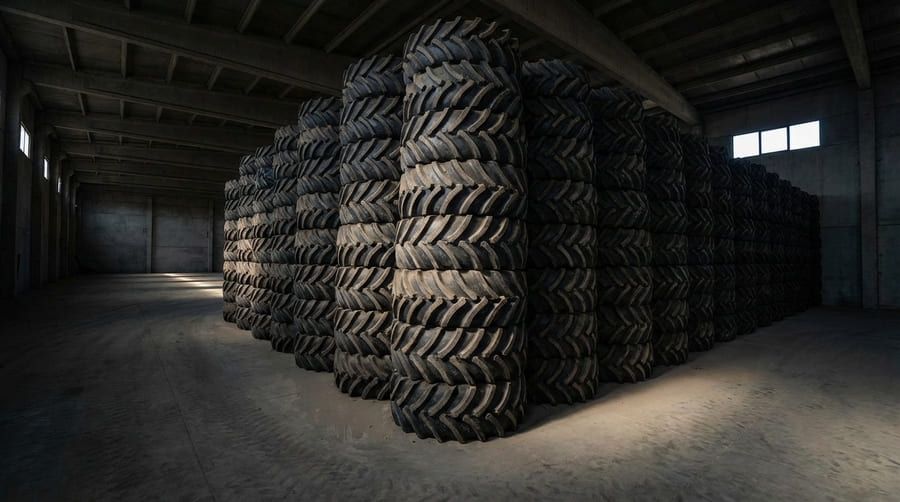
The old way of doing business is simple but brutal: one container, one product. For a factory, it's efficient. For you, the dealer, it's a huge gamble. You're betting a significant amount of your capital—tens of thousands of dollars—that you've perfectly predicted the market months in advance. But what if the weather delays the harvest, or farmers switch to a different tire size this year? Suddenly, that container isn't a business asset; it's a financial anchor. The cost of warehousing eats into your margins, and your cash is trapped in products that aren't moving. This model lacks the flexibility needed to navigate the unpredictable nature of the agricultural market, putting all the risk directly on your shoulders.
Risk Profile: Full Container vs. Mixed Load
| Risk Factor | Full-Container Model (High Risk) | Low MOQ + Mixed Load Model (Low Risk) |
|---|---|---|
| Capital Investment | Very high, concentrated on 1-2 SKUs | Low, spread across many needed SKUs |
| Inventory Risk | High chance of dead stock5 if forecast is wrong | Low, stock is diversified and manageable |
| Cash Flow | Poor, capital is tied up for months | Healthy, smaller, frequent investments |
How Does a "Small-Quantity, High-Frequency" Strategy Work in Practice?
You want to be prepared but can't afford a massive inventory. How do you find the right balance to stay agile and meet customer needs without over-investing before the season?
Instead of one huge order before the season, you place several smaller, mixed orders in the months leading up to it. This builds a diverse safety stock4 gradually, keeps your cash flow7 healthy, and ensures you have a range of products ready.
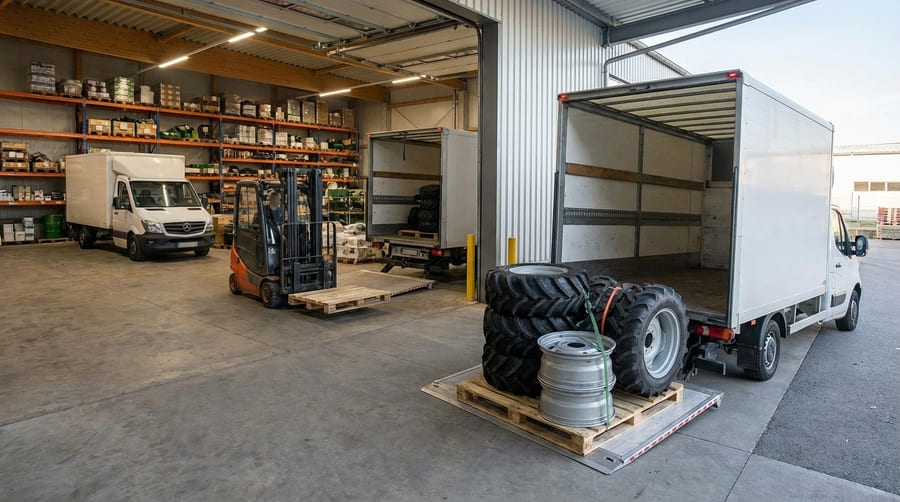
Think of it as building a foundation brick by brick instead of trying to drop a whole wall into place at once. Starting three or four months before the busy season, you place a smaller order with us. You can mix and match the key tire and rim sizes you know you'll need—a few of this, a few of that. The next month, you do it again, maybe adjusting the product mix based on early inquiries. By the time the harvest starts, you haven't just placed one big bet. You've built a curated, diverse inventory that reflects the real needs of your customers. This "small-quantity, high-frequency8" approach transforms your inventory from a liability into a strategic advantage. It allows you to stay stocked and responsive without ever putting your business in a precarious financial position.
How Can You Maximize the Value of Every Shipment?
You've placed a mixed order, but there's still a little bit of unused space in the container. You feel like you're leaving money on the table by shipping even a small amount of air.
Fill the remaining space with low-cost, high-turnover consumables like agricultural inner tubes9 or rim flaps10. These items add minimal cost to the shipment but provide an excellent opportunity for incremental sales11 and profit, maximizing the return on your freight investment12.
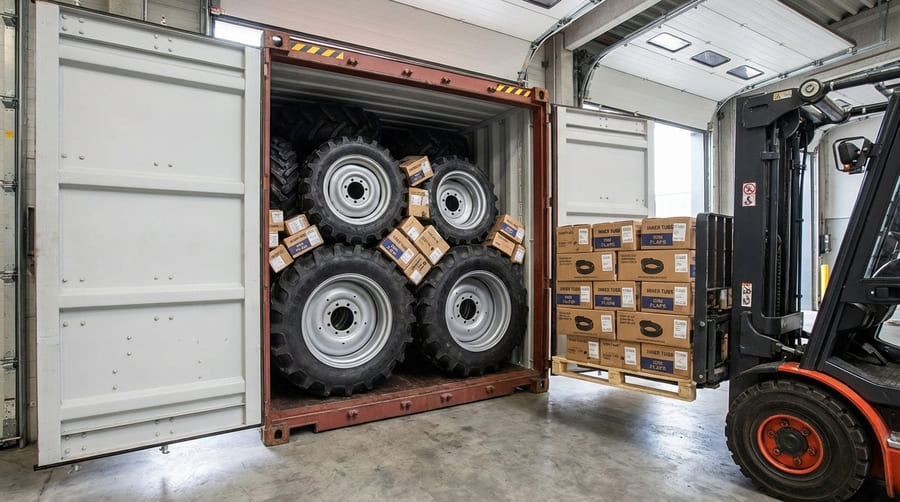
This is one of my favorite tips for my clients because it's such an easy win. Once your main order of tires and rims is planned, you often have small pockets of space left in the container. Don't let that space go to waste. We can add boxes of easily damaged or frequently replaced items like inner tubes and flaps. These products are small, lightweight, and always in demand. The incremental freight cost to add them is practically zero, but their value at your dealership is significant. It's a simple way to boost the overall profitability of each container you import. You're not just buying inventory; you're also stocking up on easy-to-sell, high-margin items that every farmer will need at some point, ensuring every cubic meter of your container is working to make you money.
Conclusion
Stop gambling on full containers. Use our Low MOQ and Mixed Loading model3 to build a smart, flexible safety stock4 that ensures you never miss a sale during peak harvest season1.
Learn effective inventory management practices to capitalize on the harvest season demand. ↩
Understanding Low MOQ can help you optimize your inventory strategy and reduce financial risks. ↩
Explore how the Mixed Loading model can enhance your supply chain efficiency and flexibility. ↩
Learn about safety stock to ensure you meet demand without overstocking. ↩
Understanding dead stock can help you maintain a healthy inventory and improve cash flow. ↩
Discover the pitfalls of the full-container model to avoid costly mistakes in your inventory management. ↩
Explore the relationship between cash flow and inventory to make informed business decisions. ↩
Learn how this strategy can keep your inventory agile and responsive to market demands. ↩
Understanding the role of inner tubes can help you meet customer needs effectively. ↩
Learn about rim flaps to enhance your product offerings and customer satisfaction. ↩
Discover how to maximize profits through incremental sales strategies in your inventory. ↩
Explore strategies to optimize your freight investment and improve profitability. ↩