
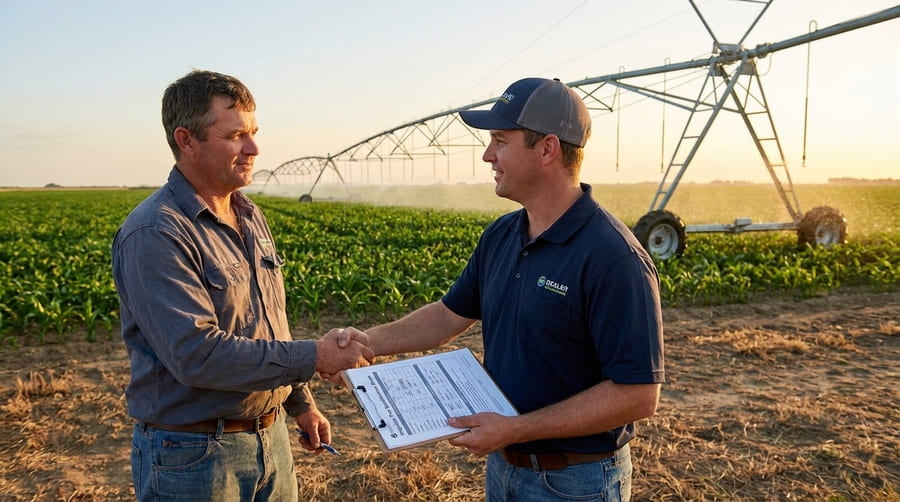
Another season ends with a frustrating dispute over a failed irrigation tire1. The farmer blames your product, you suspect incorrect application, and the relationship sours, threatening future business.
Yes, a downloadable irrigation tire specification template2 is essential for dealers. It standardizes data collection to prevent miscommunication, ensures the correct tire is matched to the specific operational stresses, and transforms potential conflicts into professional, fact-based conversations, protecting both your business and your customer relationships.
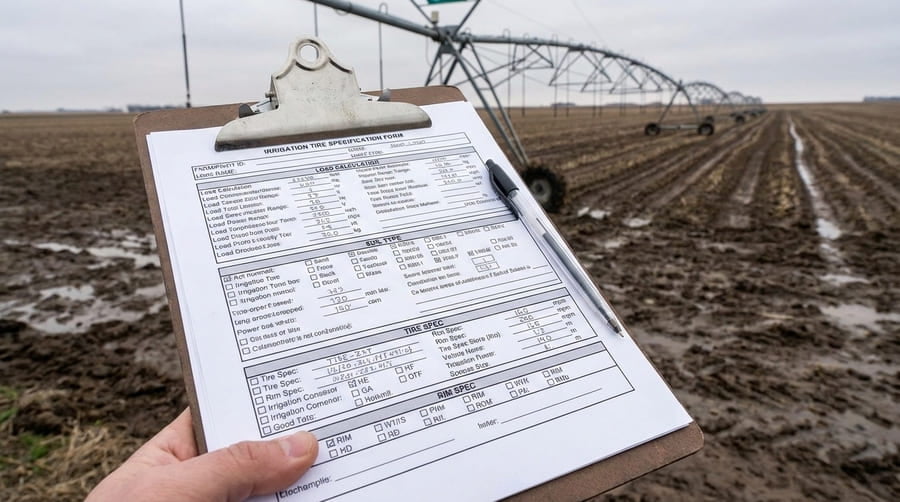
I'll never forget a tense meeting I walked into years ago. A dealer I worked with was on the verge of losing his biggest account over a series of tire failures on a center pivot. The farmer was angry, the dealer was defensive, and it was a classic "he said, she said" standoff. I didn't start by looking at the tire; I started by asking questions. What was the total weight on the tower3? What was the condition of the rims4? How often did it turn? Nobody had clear answers. It was at that moment I realized the problem wasn't the tire; the problem was the conversation that never happened before the tire was ordered. That experience led me to develop a simple tool that has since saved my partners countless headaches: a specification sheet.
Is Your Biggest Irrigation Tire Problem Actually a Communication Problem?
You sold a irrigation tire, it failed, and now the farmer is blaming you for selling a bad product. The argument goes in circles, damaging your reputation and risking the entire account.
Yes, most post-season tire disputes5 are actually communication failures in disguise. A structured specification sheet6 forces a clear conversation about the application's real needs, creating a shared record that prevents "he said, she said" arguments and protects the relationship.
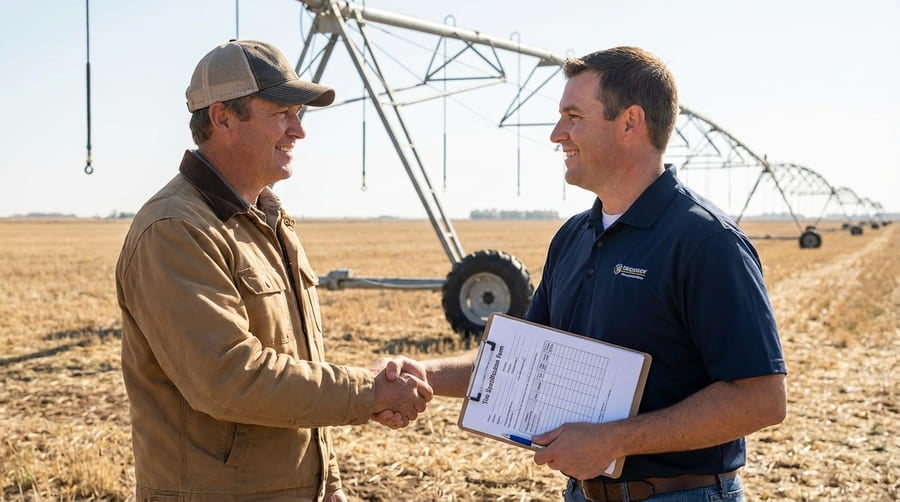
The real value of a specification sheet isn't just about gathering data; it's about preventing conflict. Without one, the conversation is often just, "I need a 14.9-24 tire." You supply it, and your responsibility seems to end there. But when it fails, the customer's memory of the conversation might be that you sold them "the right tire for the job." A spec sheet changes this completely. I remember a client who insisted a tire failed because it was 'defective.' He was furious. But when we went back to the specification sheet we had filled out together six months prior, we saw a note he had made about "possibly adding an end gun7 later." He had forgotten. The sheet showed the tire was ordered to the original spec, not the current, heavier one. The conversation instantly shifted from blame to finding a solution for the new load. That document transformed a potential lawsuit into a collaborative problem-solving session.
Conversation Quality: Before and After a Spec Sheet
| Without a Spec Sheet | With a Spec Sheet |
|---|---|
| Focuses only on tire size | Covers all operational variables8 |
| Relies on memory and assumptions | Creates a written, factual record |
| Blame is the focus when failure occurs | Diagnosis is the focus when failure occurs |
| High risk of customer conflict9 and lost business | Builds trust and reinforces professional partnership |
Are You Asking the Right Questions to Define Irrigation Tire Risk?
You ask the farmer for the irrigation tire size and assume that's enough information. But the irrigation tire fails anyway, because size is only one piece of a much larger, more complex puzzle.
No, size alone is not enough. A professional template guides you to ask the critical questions that define risk: total tower load10, system speed11, precise rim condition, ground type12 (muddy, sandy), and turning frequency. These factors determine the real-world stress on the tire.
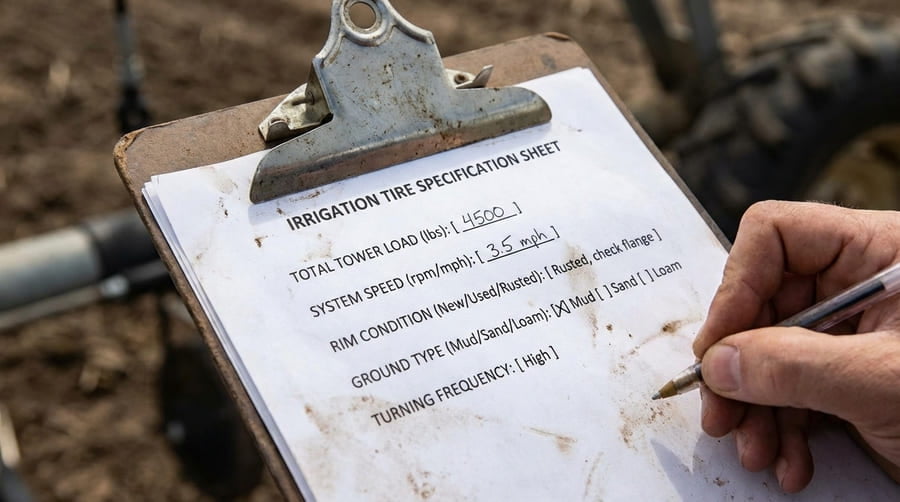
A irrigation tire's life is determined by the forces acting upon it, and "size" tells you almost nothing about those forces. It's like a doctor trying to make a diagnosis by only asking for your height. A truly effective specification template forces a deeper inquiry. First, Load: What is the total weight of the tower, including any end gun7s, booster pumps, or even caked-on mud? Second, Speed & Frequency: How fast does the outer tower move, and how many start/stop cycles or turns does it make in a season? This relates to fatigue. Third, Rim: Is the rim width13 correct for the tire, and is it free of rust or damage? A bad rim will kill a good tire. Fourth, Ground Conditions: Is the field soft, muddy, rocky, or heavily rutted? Each surface presents a different challenge. By systematically gathering this data, you move from being a simple order-taker to a technical consultant. You're not just selling a tire; you're engineering a solution.
Do You Ask What Killed the Last Irrigation Tire?
A customer orders a replacement for a failed tire, and you supply the exact same model. Soon after, they call to complain that the new one has failed in the exact same way.
You must always ask what killed the last irrigation tire. Understanding the previous failure mode—bead damage14, tread puncture, sidewall blowout15, or rapid wear—is the single most valuable piece of data for ensuring the new selection will actually solve the problem.
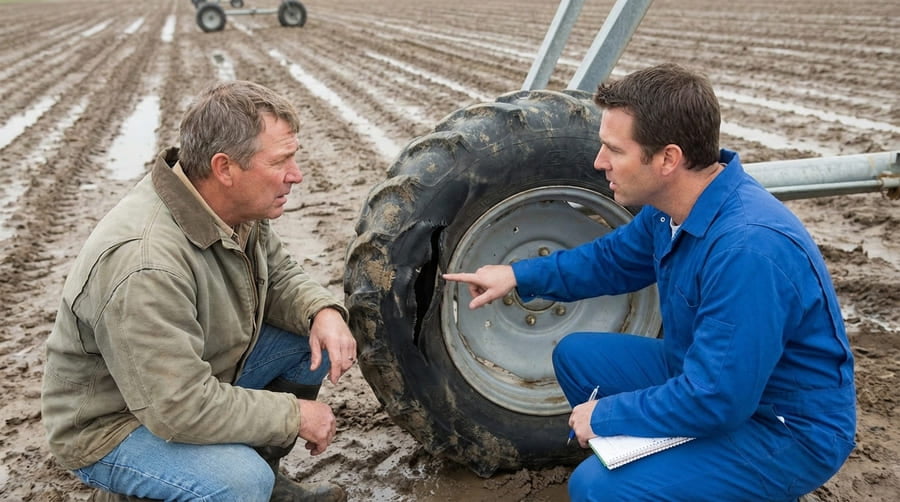
Replacing a failed irrigation tire1 with an identical one without a diagnosis is like treating a symptom without knowing the disease. It's a recipe for repeated failure and an angry customer. A good specification template must have a section dedicated to "Previous Tire Failure Analysis16." Was it a bead failure? This points directly to a problem with the rim or incorrect mounting pressure. Was it a sidewall blowout15? This strongly suggests overloading or chronic under-inflation. Was it a puncture through the tread17? This indicates a need for a higher ply rating or a tire with a more robust tread compound for stubble resistance. Was it just worn out too fast? This could mean the rubber compound wasn't suitable for the ground conditions or the number of operating hours. By recording the failure mode, you turn a complaint into crucial intelligence. It allows you to say, "The last tire failed this way, so this time we need to select a tire with feature X to prevent that from happening again."
How Can a Simple Form Make You a Better Dealer?
You want to stand out from competitors who just compete on price. You know your expertise is valuable, but it's difficult to demonstrate that in a quick sales call.
A standardized template instantly elevates your professionalism. It shows you are a technical expert, not just a salesperson. This structured approach builds customer confidence and encourages them to provide the complete, accurate information needed to do the job right.
Imagine two dealers. The first one says, "A 14.9-24? Yeah, I can get you that for $X." The second one says, "I can definitely help with that. To make sure we get you the best possible tire life, can we run through a quick spec sheet together? It only takes five minutes." Which dealer sounds more professional? Which one would you trust with a critical part of your operation? The template is more than a form; it's a tool for structuring a professional consultation. It signals to the customer that you are thorough, knowledgeable, and invested in their success. It also subtly trains them to be a better partner. When they see the level of detail you require, they are more likely to provide thoughtful, accurate answers instead of quick guesses. This collaborative process builds a foundation of trust that price-cutters can never compete with. It turns the transaction into a long-term partnership.
Conclusion
Stop letting communication gaps cause costly tire disputes. A specification template is a simple, powerful tool that fosters clarity, demonstrates expertise, and ensures the right irrigation tire is chosen every time.
Understanding the common causes of irrigation tire failure can help prevent future issues and improve product selection. ↩
A specification template standardizes data collection, preventing miscommunication and ensuring the correct tire is matched to operational stresses. ↩
Understanding the total weight on the tower helps in selecting the right tire to handle the load and prevent failures. ↩
Rim condition can significantly impact tire performance, and knowing its state can prevent tire failures. ↩
Avoiding post-season tire disputes involves clear communication and proper documentation, ensuring all parties understand the tire's specifications. ↩
A structured specification sheet ensures clear communication and accurate tire selection, preventing disputes and failures. ↩
Adding an end gun changes the load and operational stresses on a tire, requiring adjustments in specifications. ↩
Considering operational variables ensures the tire can handle real-world stresses, preventing premature failures. ↩
Minimizing customer conflict involves clear communication and documentation, ensuring all parties understand the tire's specifications. ↩
Total tower load determines the stress on a tire, and knowing it ensures the right tire is selected to handle the load. ↩
System speed impacts tire wear and fatigue, and understanding it helps in selecting the right tire for the application. ↩
Ground type impacts tire wear and performance, and knowing it helps in selecting the right tire for the conditions. ↩
Correct rim width ensures proper tire fit and performance, preventing failures due to improper mounting. ↩
Understanding bead damage helps in diagnosing tire failures and selecting the right tire to prevent future issues. ↩
Knowing the causes of sidewall blowouts helps in selecting the right tire to prevent similar failures. ↩
Analyzing previous tire failures provides crucial insights for selecting a new tire that addresses past issues. ↩
Preventing tread punctures involves selecting tires with robust tread compounds and higher ply ratings. ↩