
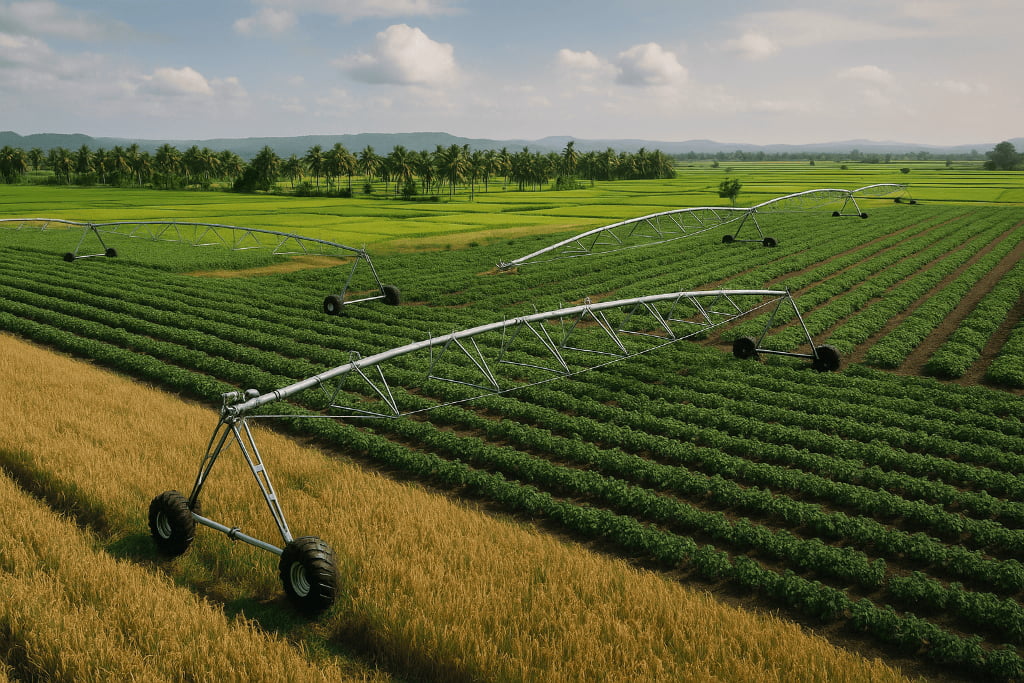
You're battling for every inch of the mature U.S. irrigation tire market1. The competition is fierce, growth has slowed, and you're feeling the squeeze on your profit margins. This intense focus is causing you to miss the real growth story.
The next major demand wave will come from Russia, Mexico, and Southeast Asia. These regions are rapidly modernizing their agricultural sectors, adopting center-pivot irrigation2, and currently lack the local manufacturing capacity3 to meet this new demand.

I remember talking with a distributor a few years back who was completely focused on the replacement market in the American Midwest. He was getting frustrated, as every deal felt like a race to the bottom on price. I asked him if he'd ever considered looking at agricultural projects in Mexico4. He was skeptical, thinking it was too small or too complicated. I shared a report on government-backed projects5 in the state of Chihuahua aimed at improving water efficiency. He took a chance and sent a small team to investigate. Today, Mexico is his fastest-growing market. He learned that the biggest opportunities aren't always in the most obvious places; they're where new needs are emerging, and you can be one of the first to provide a solution.
Why is Russia Becoming a Hotspot for Irrigation Tires?
You probably think of Russia primarily in terms of its energy exports, not its farms. This common view means you're likely overlooking one of the world's largest and fastest-growing agricultural modernization6 projects.
Russia's strategic push for food self-sufficiency7 is driving massive state-backed investment8 into agricultural technology, including center-pivot irrigation2. With limited local production of specialized tires, this has created a significant and underserved market for reliable foreign suppliers.
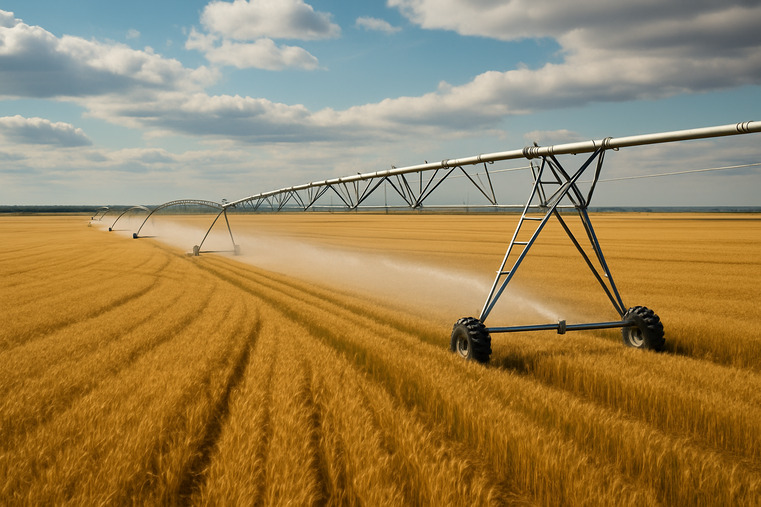
For years, I've seen clients fixate on traditional markets. But some of my most successful partners are the ones who looked at a map and thought differently. In Russia, the government isn't just suggesting modernization; it's funding it directly to reduce reliance on food imports. This means large-scale farms are being equipped with modern machinery on a huge scale. They need thousands of irrigation systems, and therefore, tens of thousands of reliable tires. The key here is that local Russian manufacturing hasn't kept pace with this specialized demand. This creates a perfect opening for Chinese exporters like us, who can provide high-quality, certified products. Current geopolitics also mean Russia is actively seeking dependable partners outside of the West, making this a unique strategic opportunity.
Analyzing the Russian Market Opportunity
| Factor | Russia's Current Situation | Implication for Chinese Exporters |
|---|---|---|
| Government Policy | Strong state subsidies for Ag-Tech. | Creates stable, long-term, government-backed demand. |
| Local Manufacturing | Underdeveloped for specialized irrigation tires. | Low direct competition and a high need for imports. |
| Scale of Farming | Enormous, flat land perfect for center pivots. | Potential for very large volume orders per project. |
| Supply Chain Needs | Seeking new, non-Western supply partners. | Strategic advantage for Chinese firms known for reliability. |
What Makes Mexico a Strategic Nearshore Market?
You might see Mexico primarily as a market for automotive or consumer goods. You're missing the quiet revolution happening in its agricultural sector, driven by its proximity to the massive U.S. market.
Mexico is modernizing its agriculture to become a primary supplier of high-value produce9 to the United States. This requires water-efficient irrigation systems10, but the country has few local tire manufacturers, making it a prime nearshore market for Chinese exporters.
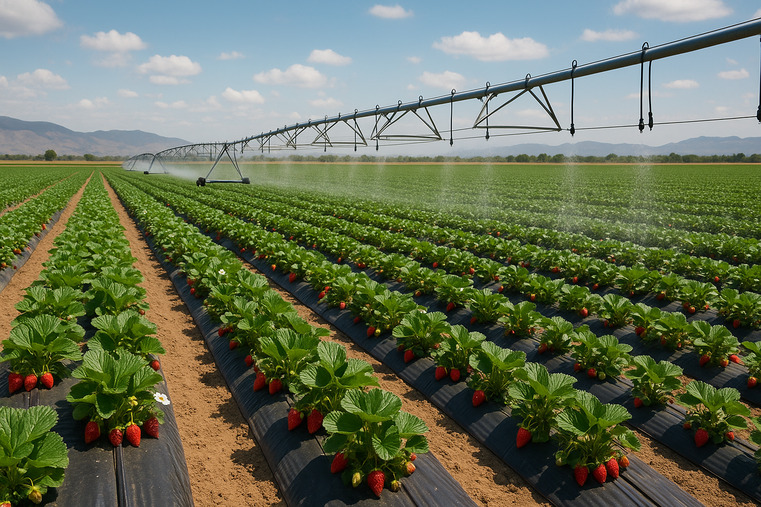
I've learned that you have to follow the food supply chain. Mexico's agricultural strategy11 is incredibly smart. They are leveraging their climate and proximity to the U.S. to grow high-value crops like avocados, berries, and tomatoes year-round. But this requires massive amounts of water in often arid regions, making efficient center-pivot irrigation2 a necessity, not a luxury. When I first visited agricultural shows in Sinaloa and Baja California, I was stunned. The scale of investment was huge, but when I asked farm managers where they got their irrigation tires, they mentioned expensive imports from the U.S. or Europe with long lead times. This is the gap. For a Chinese exporter, Mexico isn't a distant market; it's a strategic entry point right next door to the U.S., hungry for cost-effective, high-quality solutions.
Tapping into Mexico's Agricultural Boom
| Factor | Mexico's Current Situation | Implication for Chinese Exporters |
|---|---|---|
| Market Driver | Exporting high-value produce9 to the USA. | Demand is tied to a stable, profitable industry. |
| Primary Need | Water efficiency in arid growing regions. | Center-pivot systems are essential, not optional. |
| Local Competition | Very few specialized tire manufacturers. | Creates a clear import-dependent market12. |
| Logistics | Excellent sea and land links. | Easy and cost-effective to ship and distribute. |
How Does Southeast Asia Represent a Fragmented but Huge Opportunity?
You may look at Southeast Asia and see a dozen different countries with different languages and regulations, thinking it's too complex. This fragmentation makes you hesitant to invest the effort to enter the market.
While politically fragmented, Southeast Asia is a unified agricultural powerhouse facing similar challenges of labor shortages13 and water management. Countries like Vietnam, Thailand, and Indonesia are all turning to mechanized irrigation14, creating a massive regional demand15.
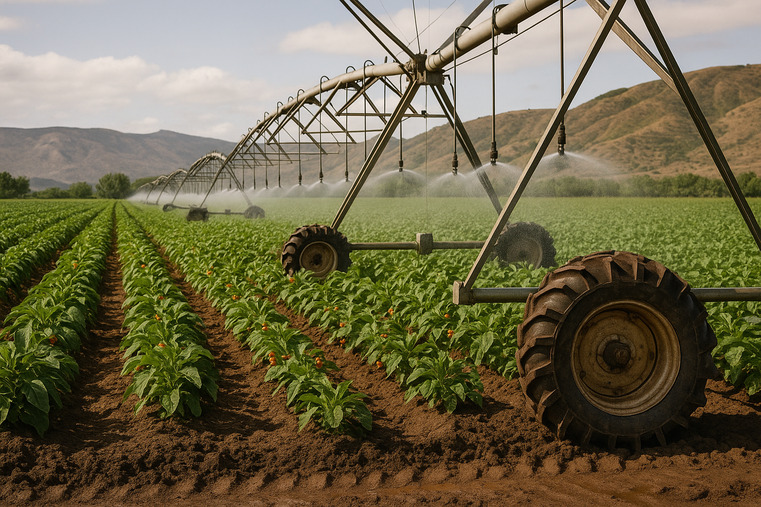
Don't let the map fool you. While there are many borders in Southeast Asia, the agricultural trends are borderless. I've attended trade fairs from Ho Chi Minh City to Bangkok, and the story is the same. Farmers are struggling with rising labor costs and unpredictable rainfall. Governments are promoting mechanization to ensure food security and boost exports of rice, sugar cane, and palm oil. This isn't about one country; it's a regional shift. A distributor we work with in Vietnam started by supplying tires for rice farms. Soon, they were getting inquiries from sugar cane plantations in Thailand and palm oil estates in Malaysia facing the exact same problems. By treating Southeast Asia as a region with shared needs, you can develop a strategy that serves multiple markets with a similar product, turning its complexity into a major advantage.
Unlocking the Southeast Asian Market
| Factor | Southeast Asia's Current Situation | Implication for Chinese Exporters |
|---|---|---|
| Common Challenge | Rising labor costs & need for water management. | Creates a consistent, region-wide need for mechanization. |
| Key Crops | Rice, sugar cane, palm oil are all suited for pivots. | Demand comes from multiple large-scale industries. |
| Local Production | Almost no local production of specialty tires. | High reliance on imports from reliable partners. |
| Growth Potential | Agricultural modernization is in its early stages. | Opportunity to get in early and become a market leader. |
Conclusion
The future of irrigation tire demand is not in the crowded old markets. It's in the dynamic, modernizing agricultural economies of Russia, Mexico, and Southeast Asia where new needs are emerging.
Understanding the U.S. market dynamics can help you strategize better for international expansion. ↩
Learn about center-pivot irrigation to grasp its importance in modern agriculture and its demand for tires. ↩
Knowing the local capacity can help identify gaps and opportunities for foreign suppliers. ↩
Discovering these projects can reveal new opportunities for tire suppliers in a growing market. ↩
These projects can provide insights into investment opportunities and market potential. ↩
This knowledge can help you anticipate market trends and align your strategies. ↩
Understanding this concept can highlight the demand for agricultural technology and tires. ↩
This investment is crucial for understanding market opportunities in emerging economies. ↩
Identifying these crops can help target the right agricultural sectors for tire sales. ↩
Understanding these systems is key to recognizing the demand for specialized tires. ↩
A solid strategy can guide your approach to entering new markets. ↩
This concept is vital for identifying potential markets for tire exports. ↩
This issue drives mechanization, creating demand for irrigation solutions. ↩
Learning about mechanized irrigation can help you understand the tire market's needs. ↩
Understanding regional demand can help tailor your marketing strategies effectively. ↩