
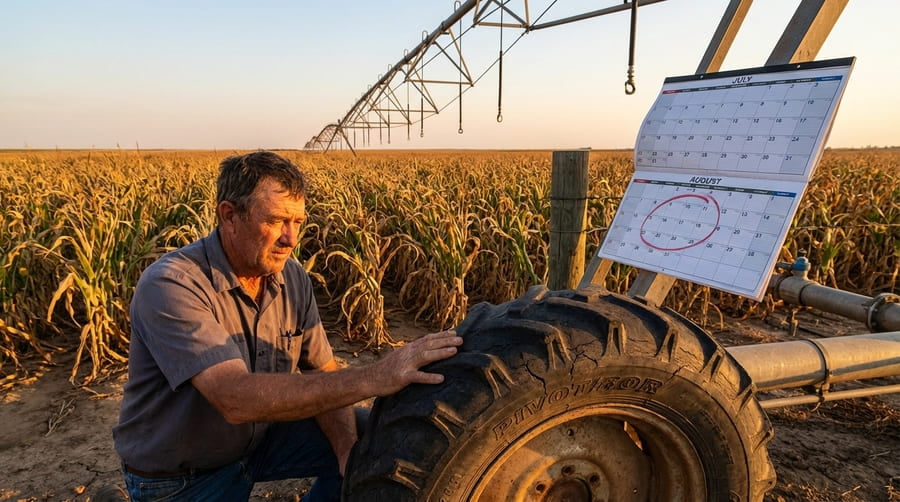
You see a worn irrigation tyre1 on your pivot, but it’s still holding air and turning. The temptation is to wait, to squeeze every last dollar out of it. This simple delay is a high-stakes gamble that can cost you an entire crop.
Make replacement decisions based on "risk windows2," not visible damage. A risk window is a period, like mid-season, where a failure would be catastrophic. Proactively replacing a questionable tire before this window opens is cheaper than the massive cost of downtime3 during it.
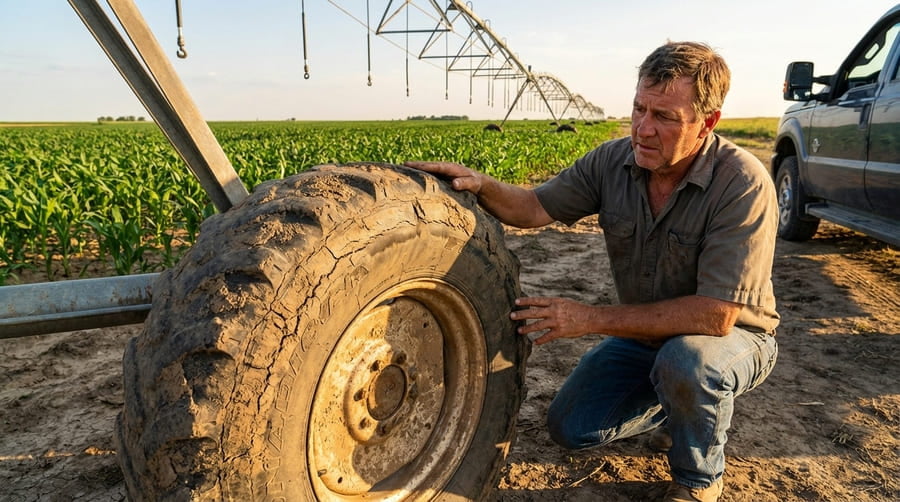
I once worked with a large corporate farm in Idaho. Their maintenance manager was a sharp guy, focused on getting maximum life from every component. He had a pivot with a few irrigation tyre that were looking tired before the season started. I suggested he replace them. He decided to wait, saying, "They've got one more season in them." In late July, during a critical heatwave, two of those irrigation tyre failed. The pivot went down for 36 hours. The manager later told me the estimated yield loss4 from that single event was more than the cost of replacing every tire on that pivot twice over. He learned that day that you don't manage tires; you manage risk.
Are You Gambling Your Crop's Value for a Worn Irrigation Tyre's Worth?
Trying to squeeze every last hour out of a worn irrigation tyre1 feels thrifty. But you're actually betting your entire irrigation system's reliability against a minimal saving.
This is a bad trade. The small residual value of a used tire is insignificant compared to the potential financial loss from even a few hours of downtime3 during a critical growth stage. The odds are never in your favor.
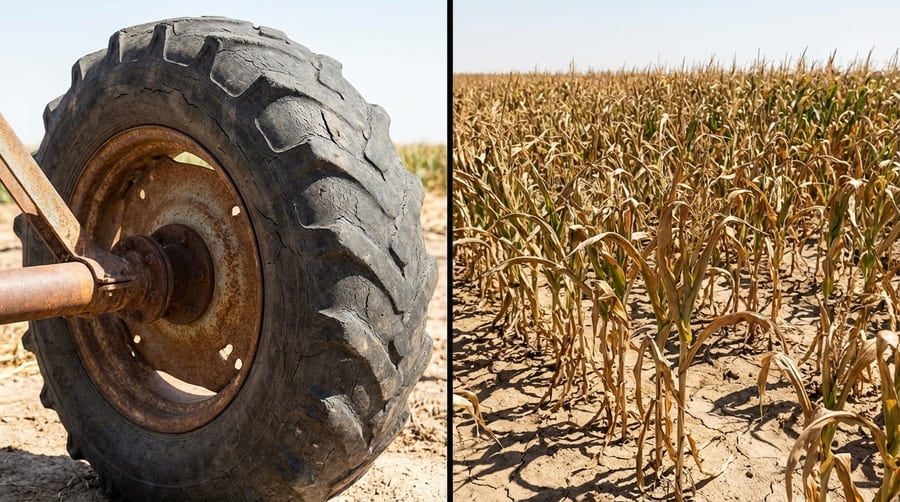
Let's break this down into a simple financial decision. A worn-out irrigation tyre might have $50 of "life" left in it. You decide to keep it running to save on buying a new one. But by doing this, you are accepting the risk of downtime3. The real question is not whether the tire can still run, but whether you can afford the consequences if it suddenly doesn't. You are not saving money; you are underwriting a massive insurance policy5 with your own crop, hoping that a failure doesn't happen at the worst possible time. This is a gamble where the potential loss is thousands of times greater than the potential gain. It's a bet that a rational manager should never take.
Calculating the True Cost of Waiting
The decision becomes clear when you compare the costs directly.
| Cost Item | Proactive Replacement | Reactive Repair (Mid-Season Failure) |
|---|---|---|
| New Tire | ~$300 (Example) | ~$300 (Example) |
| Labor | Planned, off-season | Emergency, overtime |
| Downtime | Zero | 24-48 hours |
| Yield Loss | Zero | Potentially $10,000+ |
| System Stress | Zero | Risk of gearbox/frame damage |
| Total Cost | ~$300 | $10,300+ |
Why Is a Mid-Season Failure the Most Expensive Repair You Can Make?
A tire failure in the off-season is an inconvenience. But a failure during a mid-summer dry spell is a disaster for your yield, making it an incredibly expensive event.
Mid-season downtime3 isn't just a repair bill. It directly translates to lost yield, crop stress6, and reduced quality. The cost of a new tire is fixed, but the cost of a mid-season failure7 is potentially limitless.
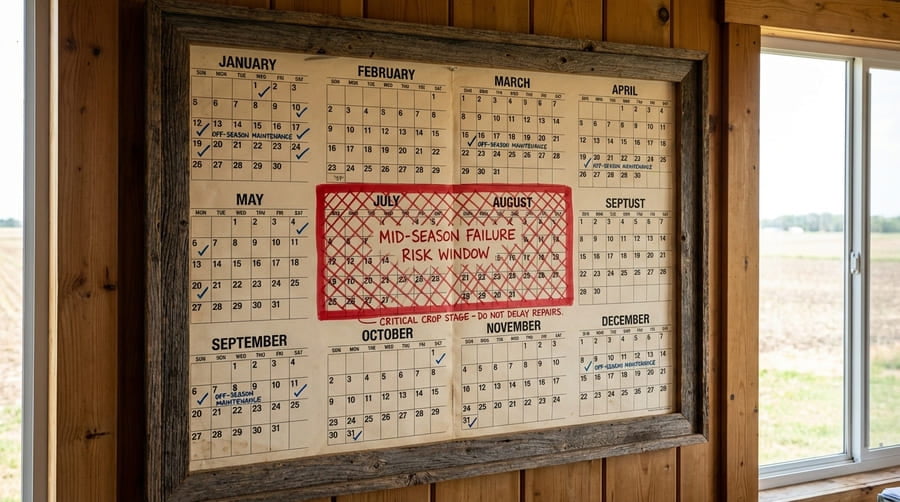
The value of a functioning pivot is not constant throughout the year. It's at its absolute peak during the hottest, driest parts of the growing season when water is most critical. A failure during this "high-risk window8" has a multiplying effect on cost. It’s not just about the tire. It’s about the water that isn't being delivered to thousands of plants during their most vulnerable stage. This is why smart operators don't think about tires; they think about timing. They identify these critical periods and do everything possible to eliminate potential points of failure before the window opens. A tire that looks "good enough" in April is a massive liability in July. Proactive replacement isn't an expense; it's the cheapest insurance policy5 you can buy for your yield.
Is 'Waiting to See' a Strategy or Just a Hope?
You notice a potential problem with a tire but decide to "wait and see." This feels like a cautious approach, but it is actually the opposite of a strategy.
"Waiting to see" is a passive decision based on hope, not data. Hope is not a strategy. You rarely get new, useful information by waiting for a tire to fail; you only get confirmation of the failure when it's too late.
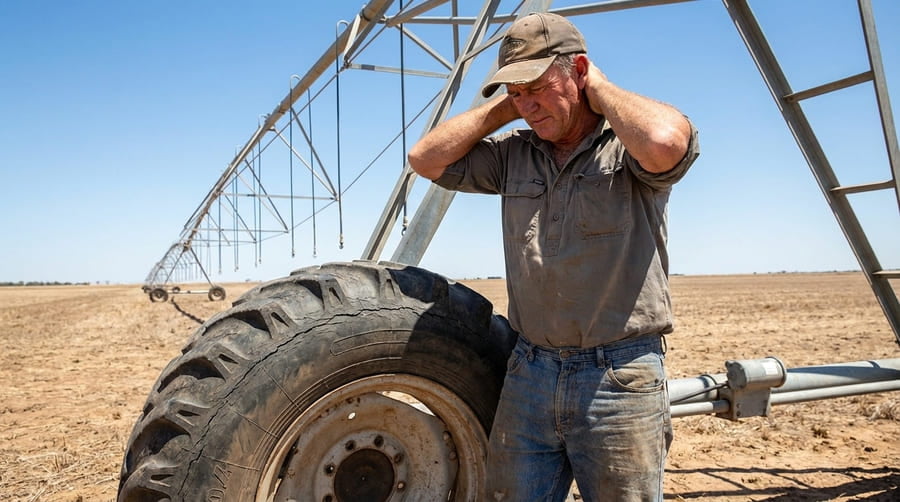
What new information are you expecting to get? You already know the irrigation tyre is worn, cracked, or losing pressure. The only new piece of information waiting will give you is the exact moment it fails, which will inevitably be the most inconvenient time. A true strategy involves gathering data and making a decision to control outcomes. For example, a pressure test9 after the pivot has been sitting for 48 hours is data. Inspecting for cracks and bulging before the season starts is data. Making a decision based on that data is a strategy. Simply hoping the problem resolves itself is an abdication of management. Every day you wait, you are not gathering information; you are simply rolling the dice again, hoping your luck holds out for one more rotation, one more day.
Conclusion
Stop looking at your tires and start looking at your calendar. Make replacement decisions based on when a failure would hurt the most, and you will protect your yield and your profit.
Learn how to spot signs of wear on irrigation tyres to prevent costly failures during critical growth periods. ↩
Understanding risk windows can help you make informed decisions about equipment maintenance and crop management. ↩
Learn about the financial implications of downtime and how to minimize it for better crop management. ↩
Understanding yield loss calculations can help you assess the financial impact of equipment failures. ↩
Explore how insurance policies can safeguard your farming investments against unexpected equipment failures. ↩
Identifying causes of crop stress can help you implement better management practices to protect your yield. ↩
Explore the consequences of mid-season failures and how to mitigate risks to your crop yield. ↩
Understanding high-risk windows can help you time your maintenance and protect your crops effectively. ↩
Discover the importance of pressure testing to ensure your irrigation system is functioning optimally. ↩