
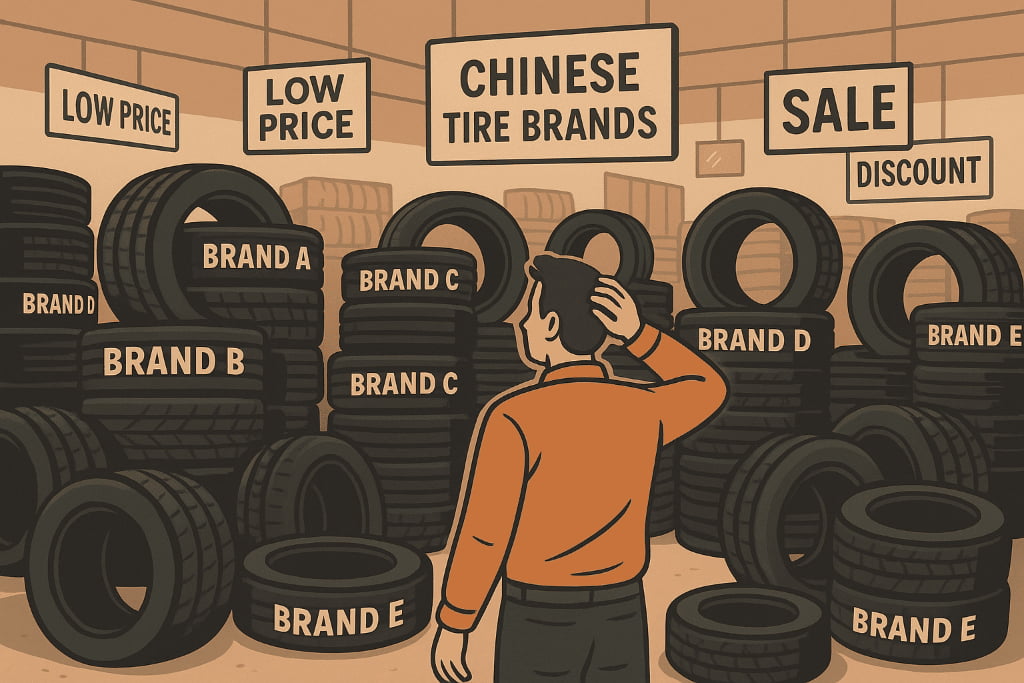
As a tire buyer, you face a sea of Chinese brands1. This makes it impossible to choose with confidence. You worry about quality, consistency, and whether the brand you buy today will even exist tomorrow.
Because many factories prioritize quantity over quality. They often just rename the same tire for quick sales instead of making the long-term investment in R&D2, quality control3, and trust-building4 required to create a world-class brand. It's a strategy of brand multiplication5, not value creation.
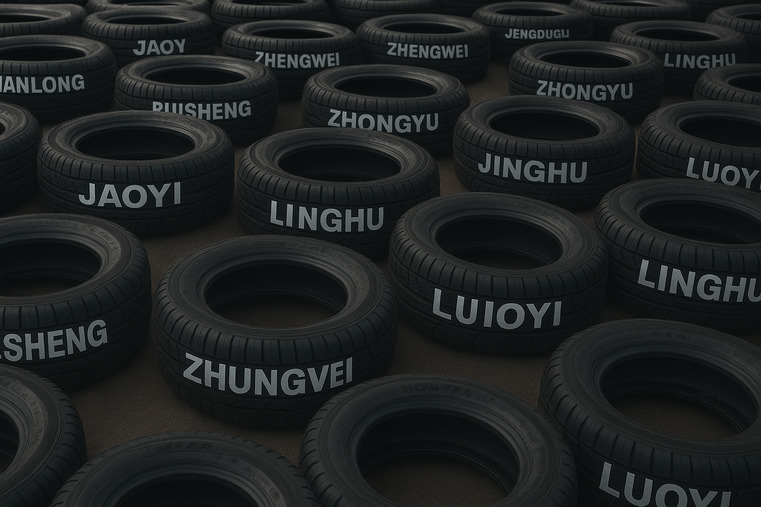
I’ll never forget a visit to a factory years ago. In the finishing area, I saw a huge stack of identical truck tires. Workers were applying different sidewall markings to different batches. One pile was for "Brand A" going to South America. Another was for "Brand B" for a distributor in the Middle East. A third was for "Brand C," a new online brand for Southeast Asia. It was the same tire, with the same compound and the same construction. The only difference was the name. This experience showed me the core of the problem. The focus wasn't on making a better tire; it was on creating more ways to sell the same tire. This is why the market is flooded with names but starved of real, trustworthy brands.
Why Do Factories Create So Many Brands Instead of Improving One?
You receive an exciting offer for a "new, exclusive brand" from a supplier. But when the samples arrive, you realize the product looks identical to five others you've seen before, and your excitement turns to suspicion.
Because creating a new name is faster and cheaper than creating a new, better product. It’s a sales tactic to enter new regions, sign new distributors, or escape a bad reputation without doing the hard work of actual product improvement.
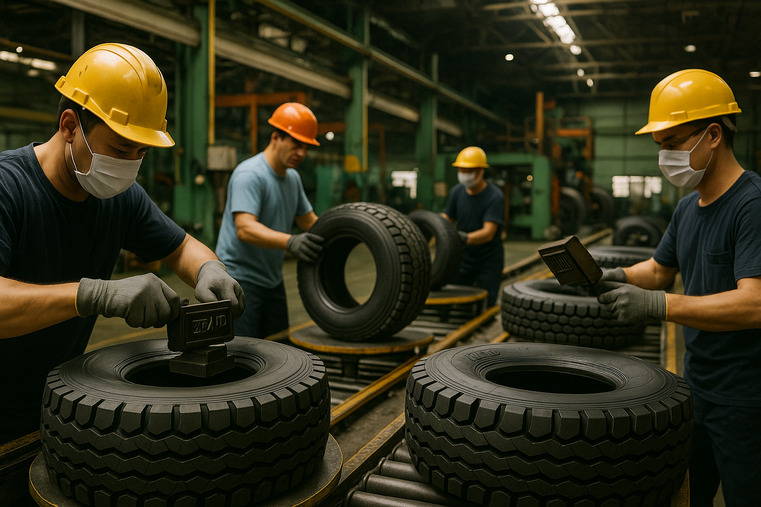
This multi-brand strategy is a shortcut. A factory can sell the same C-grade tire6 to Distributor A in Brazil under "LionTread" and to Distributor B in Russia under "EagleGrip." If LionTread fails due to quality issues and gets a bad reputation, the EagleGrip brand is unaffected. The factory can just launch "RhinoForce" tomorrow to replace LionTread and find a new customer. This approach maximizes short-term sales by slicing the market into tiny pieces. However, it completely avoids the responsibility of building a single, reliable promise. Instead of "multiplying value" within one brand, they "multiply brands" to hide the lack of value. It's a house of cards. True brand building is the opposite—it's about putting all your resources behind one name and making that name synonymous with a quality promise that never wavers.
Shortcut Strategy vs. Real Brand Building
| Aspect | Multi-Brand Shortcut | True Brand Building |
|---|---|---|
| Goal | Quick sales, market entry | Long-term trust, market leadership7 |
| Method | Rename existing products | Invest in R&D2 and quality |
| Reputation | Disposable and fragmented | A single, defensible asset |
| Customer Focus | Finding new distributors | Building end-user loyalty |
| Result | High noise, low trust, price wars8 | High value, strong margins, loyalty |
Why Is Product Strength More Important Than a Brand Logo?
You're trying to build your business's reputation on quality products. But you constantly compete against cheaper brands that look professional on the surface, making it hard for your customers to see the real difference in value.
Because a logo is just a label, but product strength9 is a promise of performance, safety, and reliability. A single brand built on R&D2, trust, and a clear story will always outperform a hundred "badge-engineered" brands in the long run.
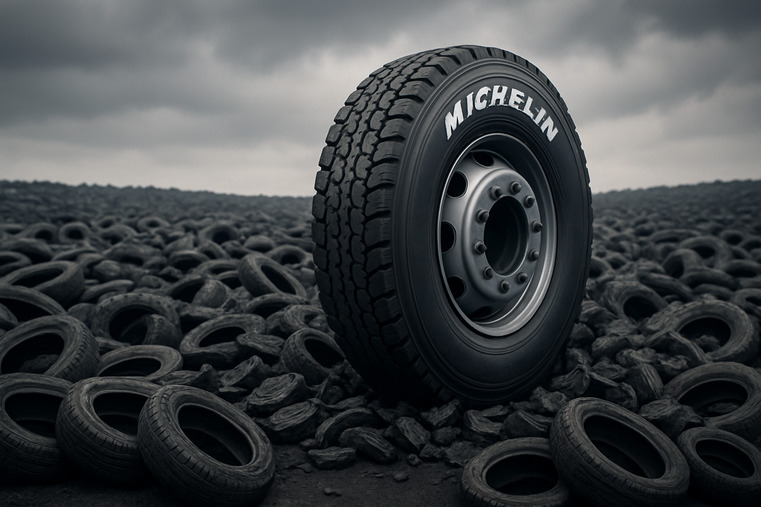
The market isn't a battle of logos; it's a battle of product versus product. One globally respected brand like Michelin or Goodyear represents a promise. That promise is built on billions in R&D2, decades of performance data, and a story of innovation. This is what I call product strength9. In my business, this means everything. It starts with testing raw materials before they even enter the factory. It continues with precision production on professional lines with strict ISO 900110 controls. It ends with multiple performance tests11 and a full inspection before shipping. This is what creates a product that performs as advertised. A cheap brand can copy a logo style or a tread pattern, but it cannot copy this deep commitment to quality. A customer might be fooled once by a nice logo, but trust is only built when the second and third sets of tires perform just as well as the first.
How Do Too Many Brands Lead to an Inevitable Price War?
You are tired of the endless race to the bottom on price. Every time you present a quality product, a competitor undercuts you with an unknown brand, forcing you to constantly defend your pricing and margins.
Because when a flood of brands makes it impossible for buyers to judge quality, price becomes the only clear differentiator. This high-noise, low-trust environment forces everyone into a price war, collapsing margins for distributors and manufacturers alike.
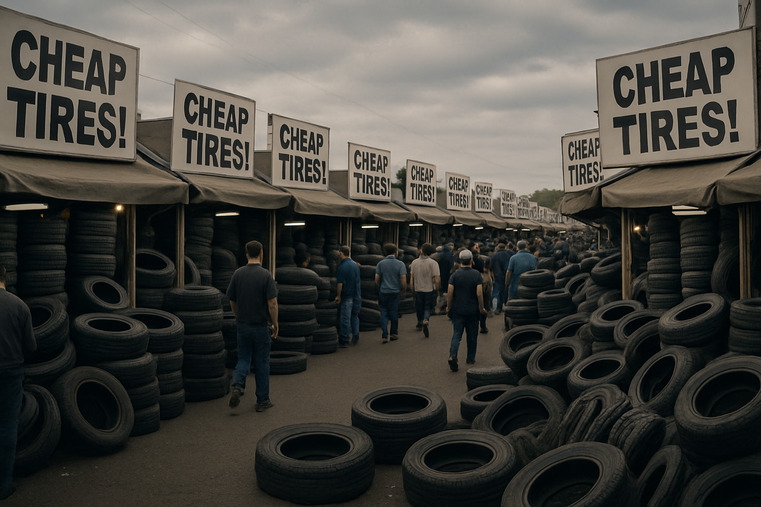
Imagine walking into a supermarket where there are 1,000 different brands of salt, all in similar packaging. How would you choose? You would likely just pick the cheapest one. This is exactly what has happened in parts of the tire market. When there are thousands of brands, and most lack a clear story of quality or a history of reliability, the buyer becomes confused. They cannot tell the difference between a genuinely good tire and a poor one with a fancy name. In this confusion, the simplest decision-making factor is price. This forces good, honest manufacturers and distributors into a corner. To compete, they have to lower their prices, which means cutting into their margins. This leaves less money for R&D2, better materials, and strong quality control3—the very things needed to build a great brand. It's a vicious cycle that rewards the cheapest, not the best.
Conclusion
China's market has many names but few true brands because brand-building is slow and requires commitment. True value comes from product strength9 and trust, not from multiplying logos on a sidewall.
Explore this link to discover reputable Chinese tire brands that prioritize quality and reliability. ↩
Discover how research and development contribute to creating high-quality tires that perform well. ↩
Learn why quality control is crucial in tire manufacturing to ensure safety and performance. ↩
Explore strategies for building trust with consumers in the competitive tire market. ↩
Understand the concept of brand multiplication and its impact on consumer trust and product quality. ↩
Find out what C-grade tires are and why they may not be the best choice for your needs. ↩
Explore the strategies that lead to market leadership and long-term success in the tire industry. ↩
Learn about the consequences of price wars in the tire industry and their impact on quality. ↩
Explore the factors that contribute to product strength and how it impacts tire performance. ↩
Learn about ISO 9001 standards and their significance in ensuring quality in manufacturing. ↩
Discover the essential performance tests that ensure tire safety and reliability. ↩