
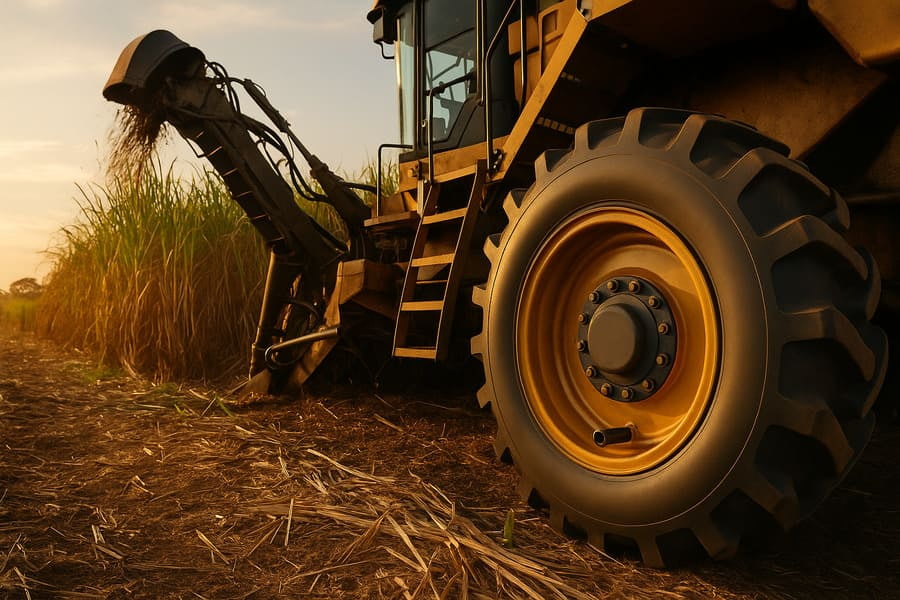
Your brand's reputation is built on reliability, but a single, failing component is causing constant breakdowns in the field. Your customers are losing trust, and warranty costs are piling up.
We solved this by re-engineering the rim from the ground up. We upgraded the steel, added structural reinforcements1, and included field-specific protection2. This custom solution was so effective it resulted in zero warranty claims3 over two years of heavy use.
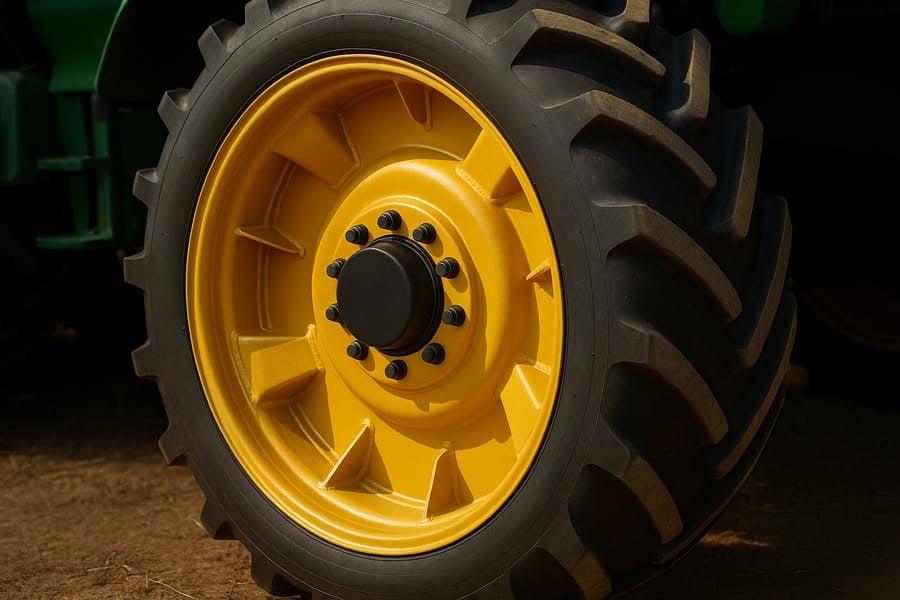
I'll never forget the day the crate arrived from our OEM client in South America. Inside were several failed rims, cracked and deformed. You could see the stress fractures4 around the bolt holes with the naked eye. This wasn't just a product failure; it was a cry for help. Their brand was taking a serious hit because their harvesters couldn't finish a season without the wheels giving out. They needed a partner who could do more than just supply a replacement; they needed someone to solve the core engineering problem.
What Was Causing These Catastrophic Rim Failures?
You're using a standard, seemingly reliable component, yet it's failing prematurely in the field. Without understanding the root cause, any replacement is just a temporary fix, doomed to fail again.
Our analysis revealed two critical flaws. The standard Q235 steel was too weak for the high-torque loads of sugarcane harvesting, and the thin disc design created stress hotspots around the bolt holes, leading to inevitable micro-cracks5 and failure.
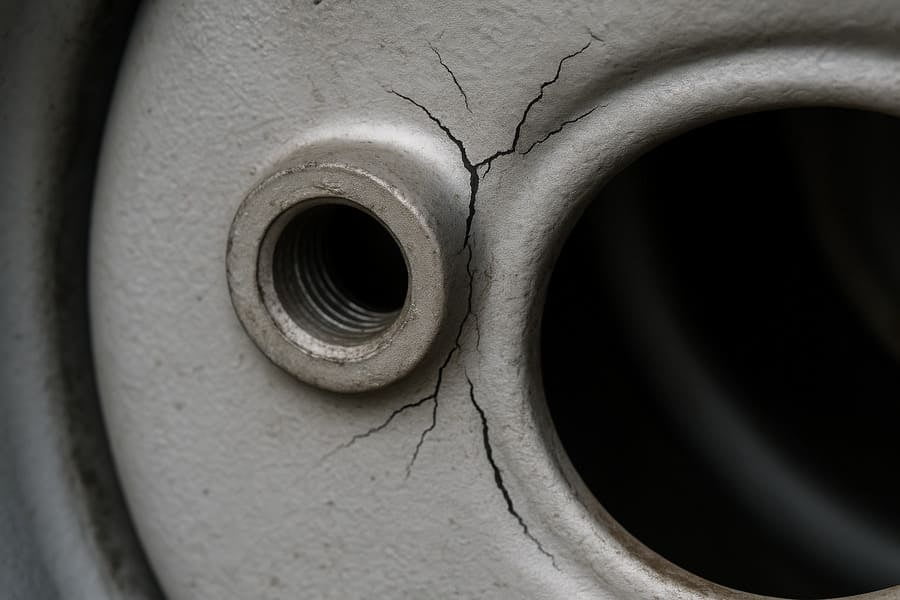
When our engineering team got the failed samples into the lab, they treated it like a crime scene investigation. They didn't just look at the damage; they analyzed the material composition6 and ran load simulations7 to digitally recreate the failures. The results were clear and conclusive. First, the material was simply not up to the task. The previous supplier used standard Q235 steel, a common choice for less demanding applications. However, a fully loaded sugarcane harvester moving on rough terrain generates immense torque and shock loads that Q235 steel can't handle over time. Second, the design itself was flawed. The disc was too thin, and the specific offset of the rim concentrated all that force onto the small areas around the bolt holes, guaranteeing that cracks would form.
Failure Analysis: Standard vs. Required
| Analysis Area | Previous Supplier's Rim | Required for Sugarcane Harvesting |
|---|---|---|
| Material Grade | Standard Q235 Steel | High-Tensile, Low-Alloy Steel |
| Torque Resistance | Insufficient; led to fatigue. | High; able to withstand continuous shock loads. |
| Disc Thickness | Too thin; created stress points. | Thicker; distributes load forces evenly. |
| Design Flaw | Stress concentration at bolt holes. | Reinforced design to eliminate weak points. |
How Did We Engineer a Rim That Was Truly Unbreakable?
You can't solve a fundamental engineering problem with a simple replacement. You need a purpose-built solution that addresses the specific, brutal conditions of the operating environment. Anything less is just delaying the next failure.
We implemented a three-part engineering upgrade8: we replaced the standard material with high-tensile steel, added a 360-degree welded reinforcement ring, increased disc thickness by 33%, and welded on a tubular valve guard to protect against field debris.
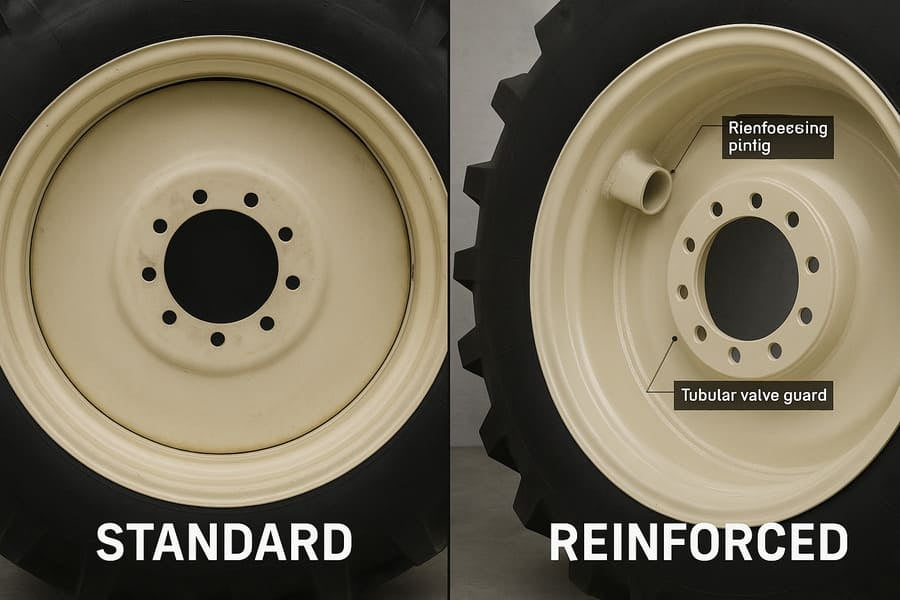
Our goal wasn't to offer a slightly better rim; it was to create a final solution that would never fail in that application again. This required a complete redesign, not just a modification.
1. Material Upgrade
The foundation of the new design was superior material. We switched all components to high-tensile low-alloy steel9. This alone increased the overall strength and fatigue resistance of the rim by approximately 20%, providing the raw durability needed to handle the intense forces.
2. Structural Reinforcement
Next, we attacked the design flaw10. We increased the disc thickness from 12 mm to a much more robust 16 mm. More importantly, we added a 360-degree, double-sided welded reinforcement ring around the hub. This ring acts as a massive load distributor, spreading the torque evenly across the entire disc instead of letting it concentrate on the bolt holes.
3. Field-Specific Protection
Finally, we listened to the customer about the actual field conditions. Sugarcane fields are full of tough stumps and debris that can easily shear off a standard valve stem. To prevent this, we welded a simple but incredibly effective tubular valve guard directly onto the rim, protecting this vulnerable point from impact.
What Does "Zero Warranty Claims" Actually Mean for an OEM?
You've invested in a new, premium component, but the real measure of success isn't in the lab; it's in the field, season after season. The ultimate goal is to erase the problem so completely that it's forgotten.
For our OEM client, it meant the end of costly field repairs and reputational damage11. Our solution passed a 500-hour destructive field test12 without issue and has since accumulated zero warranty claims3 over two years, leading them to designate us as their exclusive rim supplier.
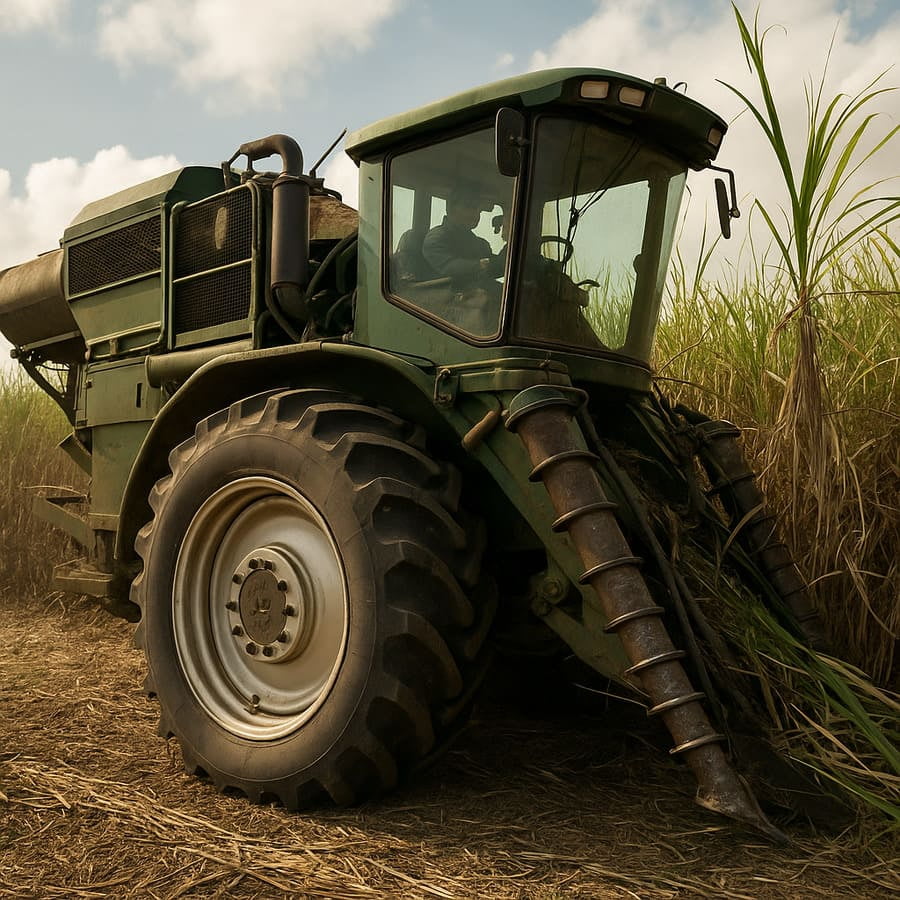
The results transformed our client's business. Before shipping the first mass-production order, we sent prototypes for a brutal, 500-hour destructive field test12 in their most demanding plantation. The old rims failed at around 300 hours; ours came back dirty but completely undamaged. That success gave the OEM the confidence to fully commit. Over the next two years, as thousands of these rims were put to work, the warranty claims3 for wheel failures dropped from a constant headache to zero. This had a direct impact on their bottom line by eliminating repair costs, but the bigger win was the restoration of their brand's reputation for reliability. They were no longer the company with failing harvesters. As a result of this success, they transitioned from being a client with a problem to a long-term partner, making us their sole, exclusive supplier for this critical component.
Conclusion
By diagnosing the root cause and engineering a truly robust solution, we eliminated a critical failure point for our client, proving that the right partnership can turn a liability into a strength.
Learn about the importance of structural reinforcements in preventing failures and enhancing product longevity. ↩
Learn how field-specific protection can enhance the performance and lifespan of engineering products. ↩
Explore the financial and reputational benefits of minimizing warranty claims for manufacturers. ↩
Understand the science behind stress fractures and how to prevent them in engineering designs. ↩
Discover the impact of micro-cracks on material performance and strategies to mitigate them. ↩
Explore the relationship between material composition and the overall performance of engineering products. ↩
Learn how load simulations can predict performance and prevent failures in engineering applications. ↩
Discover the essential elements that contribute to successful engineering upgrades in product design. ↩
Explore how high-tensile low-alloy steel enhances durability and performance in demanding applications. ↩
Identify typical design flaws and strategies to prevent them in engineering projects. ↩
Understand the impact of reputational damage on businesses and strategies to protect brand integrity. ↩
Understand the significance of destructive field tests in validating product reliability and performance. ↩