
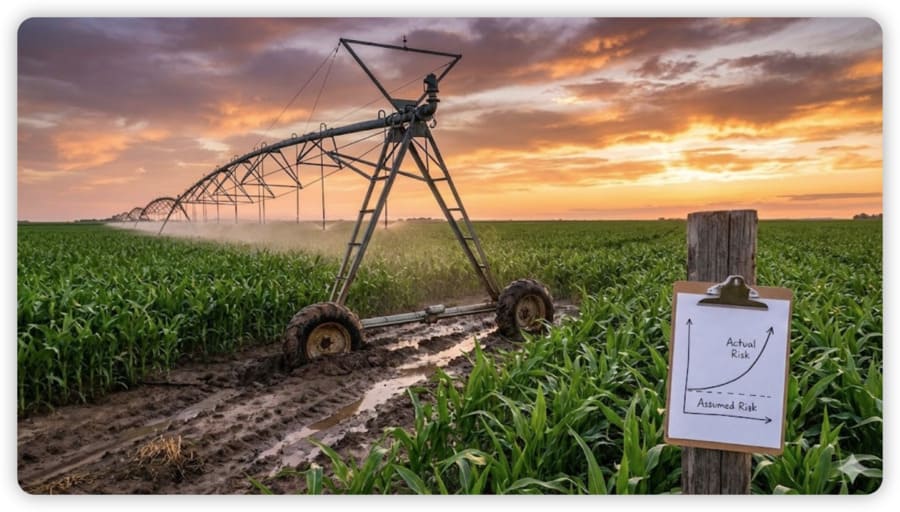
Your irrigation system runs smoothly for weeks. You feel confident. But beneath the surface, tiny issues are multiplying, waiting for the right moment to cause a catastrophic failure.
Mid-season is critical because it's when small, hidden issues like minor tire wear1 and soil compaction2 have compounded enough to overwhelm the system's initial safety margins3. This accumulation creates a tipping point where even a small new stressor can trigger a major breakdown.
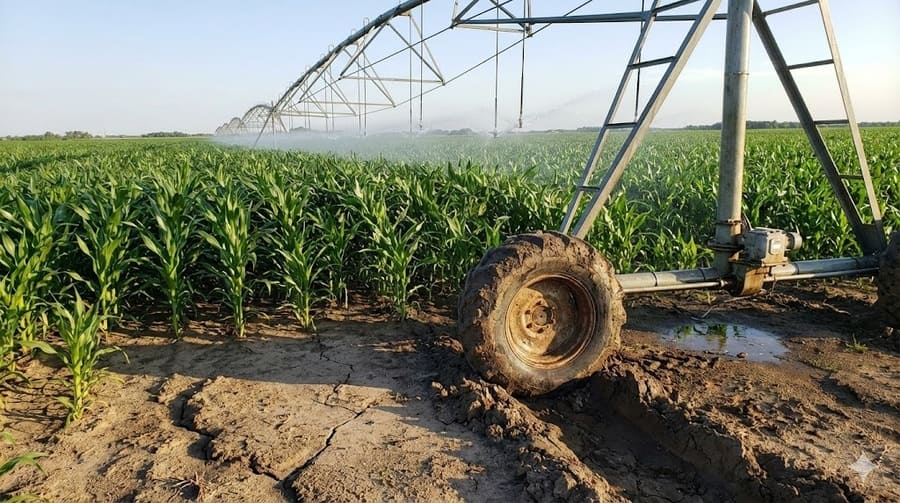
I've seen it happen countless times. A purchasing manager thinks everything is fine because the season started well. They ignore the subtle signs of wear on their irrigation tires4. Then, a call comes in mid-July during a heatwave: a tower has collapsed. The failure wasn't sudden; it was the inevitable result of risks that had been growing for weeks. It's a costly lesson in how systems really behave over time.
Why Does the Early Season Hide Underlying Irrigation Tire Risks?
The season starts, pivots are running, and water is flowing. Everything looks perfect. But this early success is actually hiding small problems that are getting worse with every rotation.
The early season masks risks because your system's components, especially irrigation tires4, have their maximum resilience. Fresh treads and initially firm ground create a buffer that conceals the cumulative effect5 of minor stresses, giving a false sense of security while problems quietly compound.
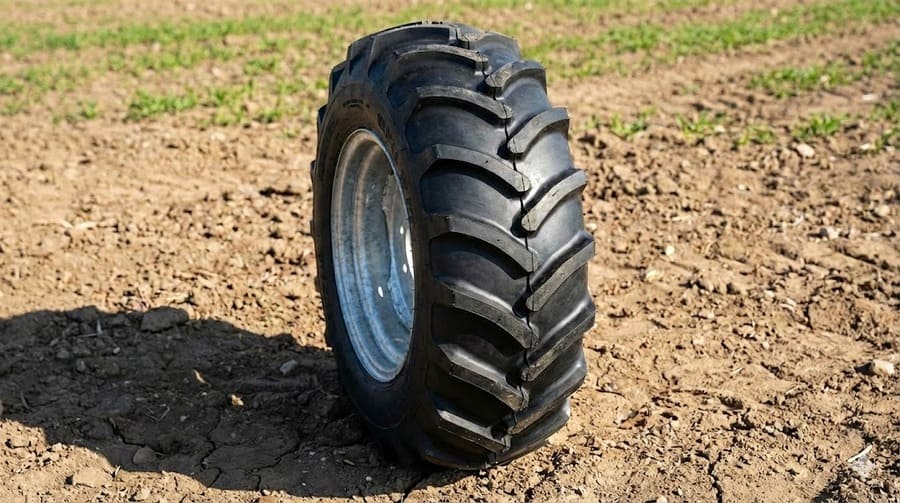
Think of the start of the irrigation season as a "honeymoon period." Your irrigation tires4 are at their peak performance. The rubber is supple, the treads are deep, and the soil hasn't been subjected to repeated passes that create deep, compacted ruts. Your entire system has built-in safety margins3—a buffer designed to handle a certain amount of stress. During this early phase, these margins easily absorb minor issues. A slightly soft spot in the field or a irrigation tire that's a few PSI low doesn't cause an immediate problem. But the danger is that these small issues are not isolated events. They are the seeds of future failure, and they begin to compound from day one. Each pass deepens a rut, and each rotation on an underinflated tire creates imperceptible damage to its internal structure.
The Illusion of Early Season Stability
| System State | Early Season (High Margin) | Mid-Season (Low Margin) |
|---|---|---|
| Tire Condition | Full tread depth, maximum flexibility. | Visible wear, reduced flexibility, accumulated stress. |
| Ground Condition | Relatively firm, shallow ruts. | Compacted soil, deep and defined ruts. |
| System Response | Problems are absorbed by the safety buffer. | Small problems trigger disproportionate stress. |
| Perceived Risk | Low. The system appears stable. | High. The system feels fragile and unpredictable. |
How Does Risk Suddenly Amplify in the Middle of the Season?
You've been watching the system all season. Things seemed fine, just normal wear and tear. Then, almost overnight, a minor issue becomes a potential catastrophe. What changed?
Risk amplifies mid-season6 because the system's buffer is gone. The compounded effect of small stresses has pushed the tires to their structural limit. At this point, even a normal operational event can act as the "tipping point," causing rapid and severe failure.
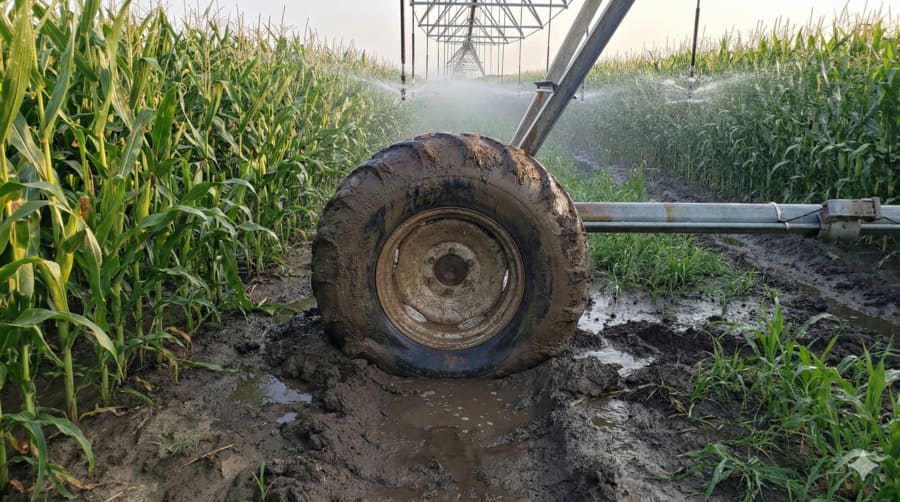
The mid-season6 is a unique window where the illusion of stability shatters. The slow, compounding damage from the early season has eaten away at your system's resilience. The irrigation tires4 have endured thousands of stress cycles7, the ruts are now deep and unforgiving, and the soil in soft spots has become saturated and weak. Your system is now operating at the very edge of its design limits. This is the moment of rapid risk amplification8. A stressor that would have been harmless in April—like a wheel dipping into a muddy patch—is now enough to cause a sidewall to buckle or a bead to unseat. The system has lost its ability to absorb shocks. It's no longer resilient; it's fragile. This is the point where a predictable system9 becomes dangerously unpredictable.
Why Is Misreading the Seasonal Rhythm a Critical Error?
You check your equipment on a schedule, treating June the same as April. But you don't realize that time isn't linear when it comes to risk. This mistake is setting you up for failure.
Treating time as a linear variable is a fundamental error. Risk in an irrigation system doesn't grow steadily; it grows exponentially. Believing that a irrigation tire that was fine last month is fine this month ignores the rapid amplification of risk that defines the mid-season6.
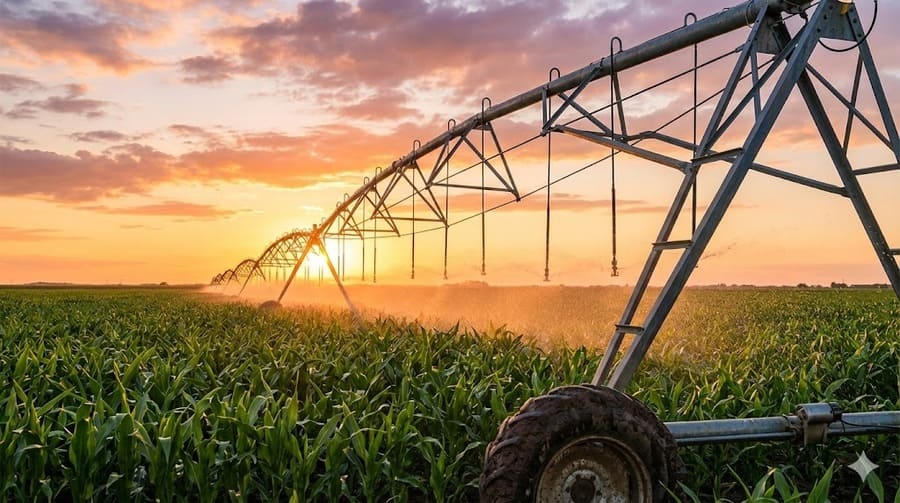
Many managers I've worked with make the same mistake: they see time as a straight line. They perform inspections on a fixed calendar schedule, assuming that the risk of failure in week 8 is just double the risk of week 4. But that's not how mechanical systems work in the real world. The risk of tire failure follows an exponential curve. For the first part of the season, the curve is almost flat. Then, as compounded stress erodes the safety margins3, the curve shoots upward dramatically. Misreading this seasonal rhythm means you are most relaxed when you should be most vigilant. You're applying early-season thinking to a mid-season6 reality. As a supplier, we advise our clients to increase the frequency and intensity of their inspections as the season progresses, focusing on the subtle signs of stress that signal the system is entering that critical mid-season6 window.
Conclusion
Stop treating seasonal risk as a straight line. Recognize that mid-season6 is an exponential danger zone and adjust your management strategy10 to anticipate this critical window of rapid failure.
Learn to spot early signs of tire wear to prevent unexpected breakdowns and maintain system performance. ↩
This link provides insights into how soil compaction affects irrigation efficiency and crop yield. ↩
Discover the importance of safety margins in irrigation systems and how they can prevent catastrophic failures. ↩
Explore this resource to learn how to extend the life of your irrigation tires and prevent costly failures. ↩
Explore how minor stresses accumulate over time and impact the overall health of your irrigation system. ↩
Understanding mid-season challenges can help you better prepare and protect your irrigation system from failures. ↩
Understanding stress cycles can help you manage your irrigation system more effectively and avoid failures. ↩
This resource explains the factors that lead to risk amplification, helping you mitigate potential issues. ↩
Learn about the characteristics of predictable irrigation systems and how to maintain their reliability. ↩
Explore effective management strategies to enhance the performance and longevity of your irrigation system. ↩