
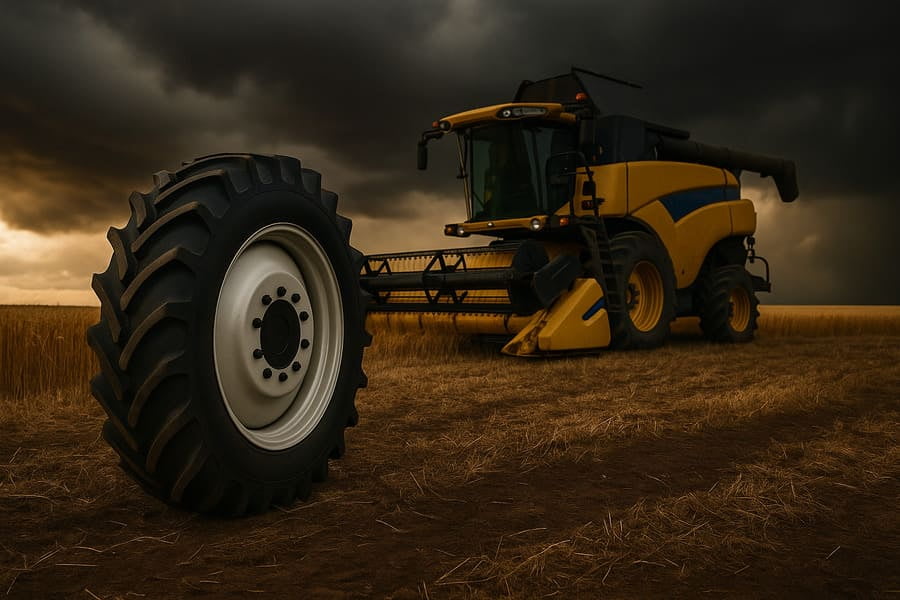
Your customer’s harvester is sitting dead in the field with a flat tire during peak season. Every passing hour of downtime is money vanishing into thin air.
Pitch spare wheel assemblies1 as "Harvest Insurance2." You're not selling a piece of hardware; you're selling a guarantee against catastrophic downtime. For a small one-time cost, the farmer buys a plan that can save them thousands in lost revenue during the critical harvest window.
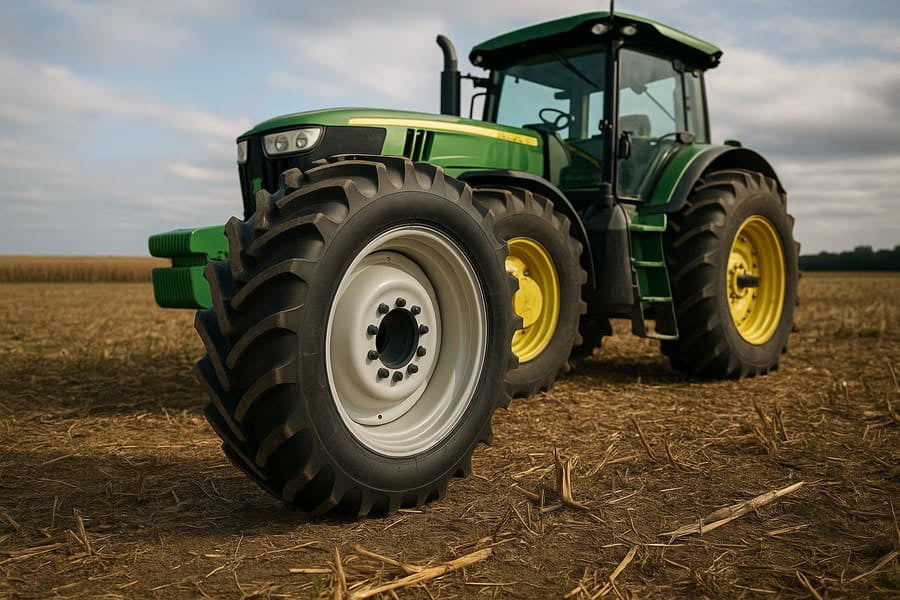
I'll never forget a call I got from a frantic dealer. His best customer, a massive grain farmer, had a high-horsepower tractor go down with a blown tire halfway through the first day of harvest. A storm was forecast for the end of the week. The farmer didn't have a spare assembly, and getting a service truck out to dismount and repair that giant tire in a muddy field would take at least a day, maybe more. That single flat tire was threatening to ruin a huge portion of his crop. It was a powerful lesson: at that moment, a simple, ready-to-go spare wheel and tire would have been worth more than the tractor itself. It wasn't about the cost of the wheel; it was about the cost of not having one.
Why is a Mid-Harvest Breakdown a Financial Disaster?
A flat tire seems like a simple problem, but in the middle of harvest, it's a full-blown crisis. You think it's just the cost of a repair, but the real losses are much bigger.
A mid-harvest breakdown3 isn't an inconvenience; it's a direct threat to the farmer's annual income. One day of downtime can lead to thousands in losses from spoiled crops, idle labor costs4, and the risk of missing the ideal weather window.
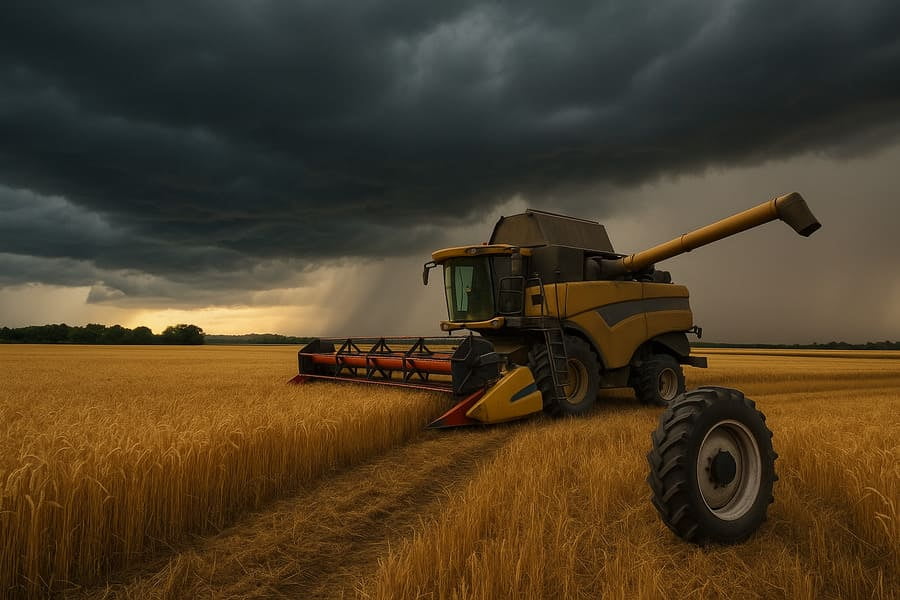
When a machine stops during harvest, a clock starts ticking. It’s not just the cost of the repair. The real damage is in the crop that's left standing in the field. A crop that's ready to be harvested is at its peak value and is extremely vulnerable. A delay of even 24 hours can expose it to rain, hail, or wind, which can dramatically reduce yield and quality. On top of that, the farmer is still paying for a full crew of workers who are now standing around with nothing to do. The financial ripple effect5 is huge. Selling a spare assembly isn't about preventing a flat tire; it's about protecting the farmer from this catastrophic chain of events. It's a business continuity tool6, and that's a powerful sales angle.
The True Cost of One Day of Downtime
| Cost Factor | Description | Estimated Financial Impact (per day) |
|---|---|---|
| Crop Loss | Yield/quality reduction due to weather or over-ripening. | $5,000 - $20,000+ |
| Labor Costs | Wages for an idle team (operators, truck drivers). | $800 - $2,500+ |
| Opportunity Cost | Inability to move to the next field or crop. | Incalculable |
| Total Potential Loss | The cost of a spare assembly is a tiny fraction of this. | Potentially Catastrophic |
Why Can’t You Just Repair a Blown Tire in the Field?
Your customer might think, "I'll just call a service truck if I get a flat." They see a spare assembly as an unnecessary expense, not realizing a field repair7 is not like changing a car tire.
Repairing a large agricultural tire in the field is nearly impossible. It requires heavy-duty bead breakers, specialized tools, and a safe, stable surface—none of which exist in a muddy field. A full spare assembly is the only realistic solution for a quick recovery.
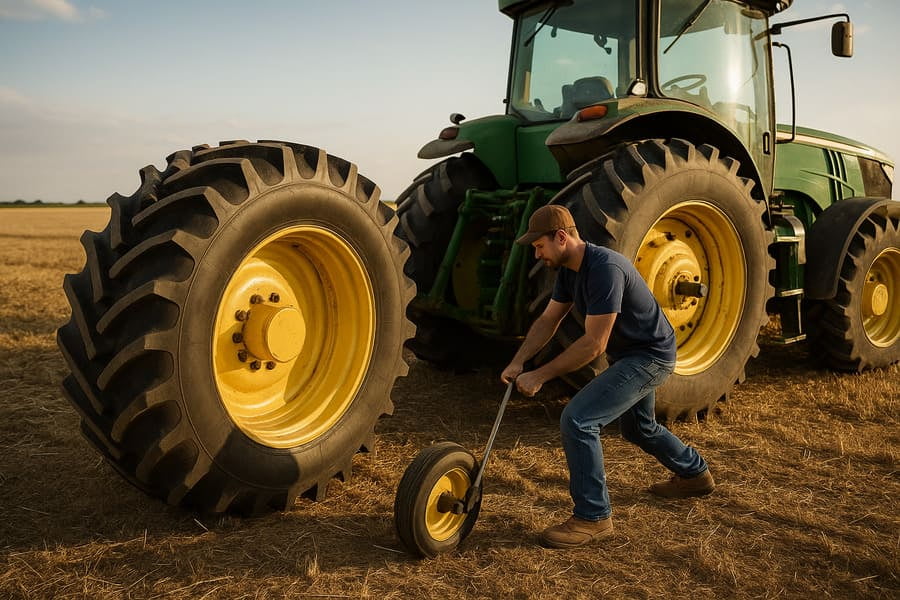
The reality of modern agricultural tires is that they are massive, heavy, and mounted with incredible pressure. You can't just pry one off with a tire iron. Dismounting one requires a specialized hydraulic press or bead breaker, which is typically mounted in a shop or on a large service truck. Trying to do this job in an uneven, soft field is incredibly difficult and dangerous. The machine could shift, the tools could slip, and someone could get seriously hurt. In contrast, swapping an entire wheel assembly is a straightforward mechanical job. With a heavy-duty jack and an impact wrench, a single operator can have the machine back up and running in about 30 minutes. It turns a day-long, high-risk repair into a quick pit stop.
How Do You Reframe the Sale as an "Insurance" Policy?
You know the value, but how do you get the farmer to see it? Simply asking "Do you want a spare?" often gets a "no," because they see it as just another cost.
Stop selling the object; start selling the outcome. Ask questions like, "What's your plan for downtime during harvest8?" Frame the "Spare Wheel Kit" as a one-time insurance premium9 that protects their entire year's revenue. Offer it during the off-season.
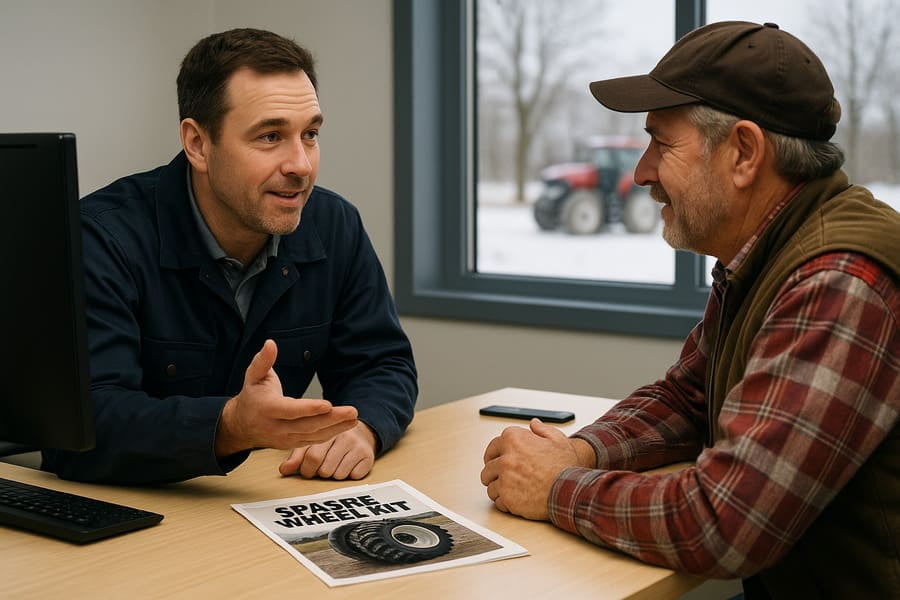
The conversation needs to shift from product to strategy. During the winter or spring, when farmers are planning and purchasing supplies, that's the time to introduce the "Harvest Insurance2" concept. Sit down with them and talk about business continuity. Lay out the potential cost of a single day of downtime using the numbers from their own operation. Then, present the "Spare Wheel Kit" as the solution. It's a pre-packaged, ready-to-go assembly that sits in their barn, waiting. By presenting it as a strategic, off-season purchase, you remove it from the heat-of-the-moment stress of a breakdown. It becomes a smart business decision, not an emergency expense. You become a partner in their operational planning, not just a person who sells them parts.
What Kind of Wheel Makes the Perfect Spare?
Your customer agrees they need a spare, but they don't want to buy a top-of-the-line, expensive wheel just to have it sit in a shed. This is a common and valid concern.
A spare wheel doesn't need to be the highest-spec model. It needs to be reliable and cost-effective. We can supply a basic-spec assembly that is built to be a dependable backup, getting the farmer running again without the cost of a premium primary wheel.
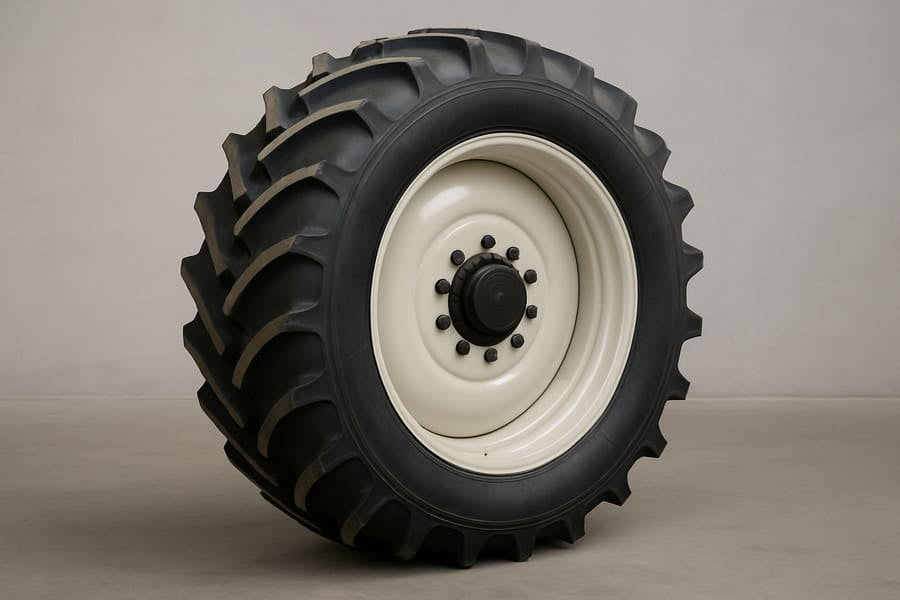
The purpose of a spare is not to finish the entire season; its purpose is to eliminate downtime. It needs to be safe, reliable, and correctly sized, but it doesn't need the same advanced features or specialized paint as the primary wheels on the machine. This is where we can help you create the perfect offering. We can provide a highly cost-effective wheel assembly10—a solid, well-built wheel paired with a durable tire—that is designed specifically for this purpose. This allows you to offer your "Harvest Insurance2" kit at a very attractive price point. The farmer gets peace of mind and a practical solution, and you get a high-value sale by providing exactly what they need: a dependable safety net11 that protects their most valuable asset—their time.
Conclusion
Stop selling wheels and start selling uptime. By offering a "Harvest Insurance2" spare wheel kit, you become an essential partner in your customers' success and create a powerful new revenue stream.
Learn about the significance of spare wheel assemblies in preventing harvest disruptions and ensuring smooth operations. ↩
Explore how 'Harvest Insurance' can protect farmers from costly downtimes during critical harvest periods. ↩
Understand the financial implications of mid-harvest breakdowns and how to mitigate them effectively. ↩
Explore the hidden labor costs that can accumulate during harvest downtime and how to manage them. ↩
Discover how downtime can create a ripple effect on a farmer's finances and overall productivity. ↩
Discover how spare wheel assemblies serve as business continuity tools for farmers during harvest. ↩
Understand the challenges of field repairs for agricultural tires and the benefits of having spare assemblies. ↩
Learn strategies to minimize downtime during harvest and protect farmers' investments. ↩
Learn how to effectively market spare wheel kits as insurance premiums to protect farmers' revenue. ↩
Find out what features to look for in a cost-effective wheel assembly that meets farmers' needs. ↩
Discover how spare wheel assemblies provide a dependable safety net for farmers during critical times. ↩