
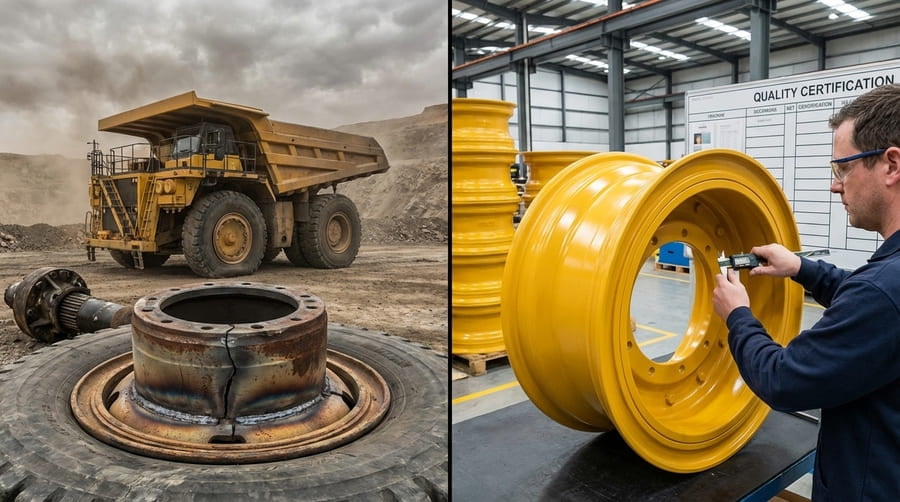
You spot a small crack on a massive OTR wheel1. The machine is critical, and the pressure is on to get it moving. Your first thought might be a quick, cheap weld repair2.
An OTR wheel1 failure is not a repairable issue; it is a critical risk event3. The initial crack means the component's integrity is gone, forcing a costly full replacement4 and triggering expensive operational downtime5 and serious safety hazards.
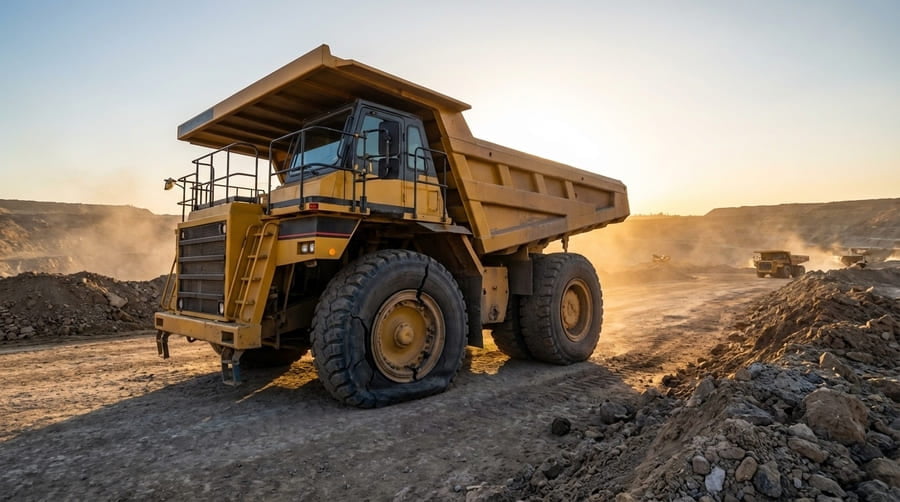
I remember a conversation with a quarry manager who was proud of his "resourceful" maintenance team. They had successfully welded a crack on a loader rim and saved the cost of a new wheel. Three weeks later, he called me in a panic. The wheel had failed catastrophically at the exact spot of the repair, causing the loader to drop its bucket, damage the axle, and narrowly miss an operator. The "money-saving" weld ended up costing them ten times the price of a new wheel in downtime5 and repairs to other components. It was a hard lesson in the true cost of a seemingly small crack.
Why Can't You Just Weld a Cracked OTR Wheel?
You see a fatigue crack6 and think a good welder can fix it. It seems logical to repair the damage instead of throwing away a huge, expensive piece of steel.
Welding a high-strength steel wheel creates a brittle Heat Affected Zone (HAZ)7. This zone is weaker than the original, heat-treated steel. The repair introduces a new, unpredictable weak point right next to the original failure.
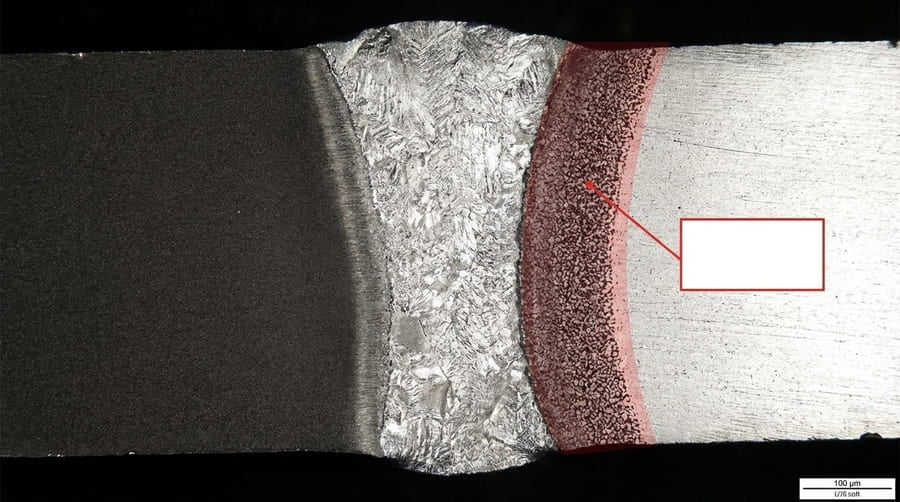
Think of a high-strength wheel like a tempered glass panel. It gets its strength from a very specific heating and cooling process. Once you get a crack, the integrity is gone. If you try to patch it by applying intense heat from a welder, you are ruining that original heat treatment in the surrounding area. You create a new zone of metal that is hard and brittle, not strong and ductile. I've seen it countless times: a crack is welded, and a new crack forms right at the edge of the weld. The repair itself becomes the source of the next, often more dangerous, failure. It’s why all major safety standards for OTR wheel1s explicitly forbid weld repair2s on cracks in critical areas.
Does This Mean a Full Replacement Is Always Necessary?
If welding is not an option, you're faced with a big expense. Is it really necessary to replace the entire multi-thousand-dollar wheel assembly just because of one crack?
Yes, once a fatigue crack6 is detected in a critical area like the disc or a weld, a full replacement4 is the only safe and responsible action. The crack is a symptom that the wheel has reached the end of its fatigue life.
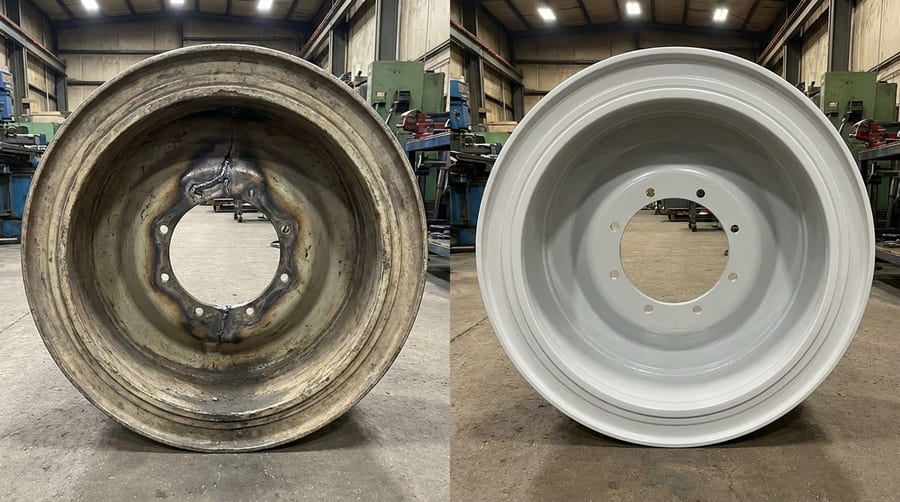
A fatigue crack6 is not like a dent or a scratch. It is a sign that the internal steel structure has started to break apart from millions of stress cycles. The crack you can see is just the tip of the iceberg; the metal around it is already weakened and compromised. Continuing to use the wheel, even if you could magically "fix" the visible crack, is like driving on a tire with a broken internal belt. It might hold air for a while, but a catastrophic failure is inevitable. As a purchasing manager or brand manager, authorizing a replacement4 is not an expense; it's a necessary risk-mitigation step. It protects your equipment, your operators, and your company's reputation from the consequences of a predictable failure. The liability of not replacing a known-to-be-cracked wheel is enormous.
How Does a Wheel's Cost Compare to the Total Risk Cost?
You're looking at a quote for a new wheel, and the price is high. You have to justify this expense in your budget, and it can be difficult to get approval.
The purchase price of a new OTR wheel1 is insignificant compared to the total cost of a failure event. The true costs are measured in downtime5, lost production, potential for collateral damage8 to expensive axles and tires, and extreme safety risks9.
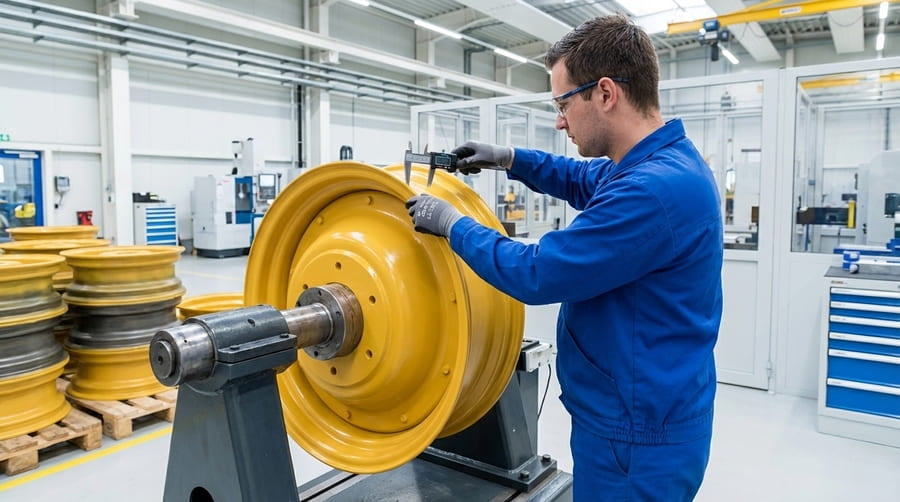
This is the most important concept for anyone managing heavy equipment assets. The focus can't be on the component cost alone. Let's break down the real costs of a failure.
The True Cost Analysis of a Wheel Failure
| Cost Category | Description | Potential Cost |
|---|---|---|
| Component Cost | Price of a new wheel. | $2,000 - $15,000 |
| Downtime Cost | Lost revenue/production while the machine is out of service. | $5,000 - $100,000+ per day |
| Collateral Damage | Repairing or replacing the tire, axle, hub, and suspension. | $10,000 - $50,000+ |
| Safety & Liability | Cost of an accident investigation, fines, and insurance claims. | Can be millions |
As you can see, the cost of the OTR wheel1 itself is just a small fraction of the financial exposure. When I work with clients, I emphasize that buying a high-quality, certified wheel from a reliable partner like Gescomaxy is not an expense. It's an investment in insurance against these much larger risks.
How Can You Mitigate These High-Cost Failure Events?
Knowing that a failure is so costly, what is the best strategy to prevent these events from happening in the first place and protect your operation from the risk?
The strategy is proactive, not reactive. It involves partnering with a supplier who provides high-quality, certified products and has a robust quality control system10. This shifts the focus from managing failures to preventing them by ensuring reliability from the start.
You cannot build a reliable operation on unreliable components. The risk of OTR wheel1 failure is managed long before the wheel is ever installed on a machine. It's managed in the factory. At Gescomaxy, this is the core of our value. With over 10 professional production lines and strict ISO 900111 quality control, we test everything from the raw materials to the final product performance. This rigorous process is designed to ensure every wheel we ship can handle its stated load and service life, preventing the formation of those initial cracks. For a procurement manager12, choosing a supplier isn't just about price. It's about vetting their quality process. Choosing a partner with proven quality control is the most effective way to reduce your risk of high-cost failure events.
Conclusion
An OTR wheel1 crack is a critical warning. Ignoring it or attempting a repair leads to massive costs and risks. Proactive prevention through quality-assured components is the only sound business strategy.
Understanding the risks of OTR wheel failures can help you make informed decisions about maintenance and replacements. ↩
Exploring the reasons against weld repairs can save you from costly mistakes and ensure safety. ↩
Understanding critical risk events can enhance your risk management strategies in heavy machinery operations. ↩
Knowing when to replace an OTR wheel can prevent catastrophic failures and ensure operational safety. ↩
Understanding the financial impact of downtime can help justify maintenance and replacement decisions. ↩
Discovering the causes of fatigue cracks can aid in better maintenance and prevention strategies. ↩
Learning about HAZ can help you understand the implications of welding on high-strength materials. ↩
Learning about collateral damage can help you assess the full impact of equipment failures on your operations. ↩
Exploring safety risks can help you prioritize safety in your operations and protect your workforce. ↩
Understanding quality control systems can help you choose reliable suppliers and reduce risks. ↩
Learning about ISO 9001 can help you evaluate suppliers and ensure product quality. ↩
Understanding the role of a procurement manager can enhance your purchasing strategies and risk management. ↩