
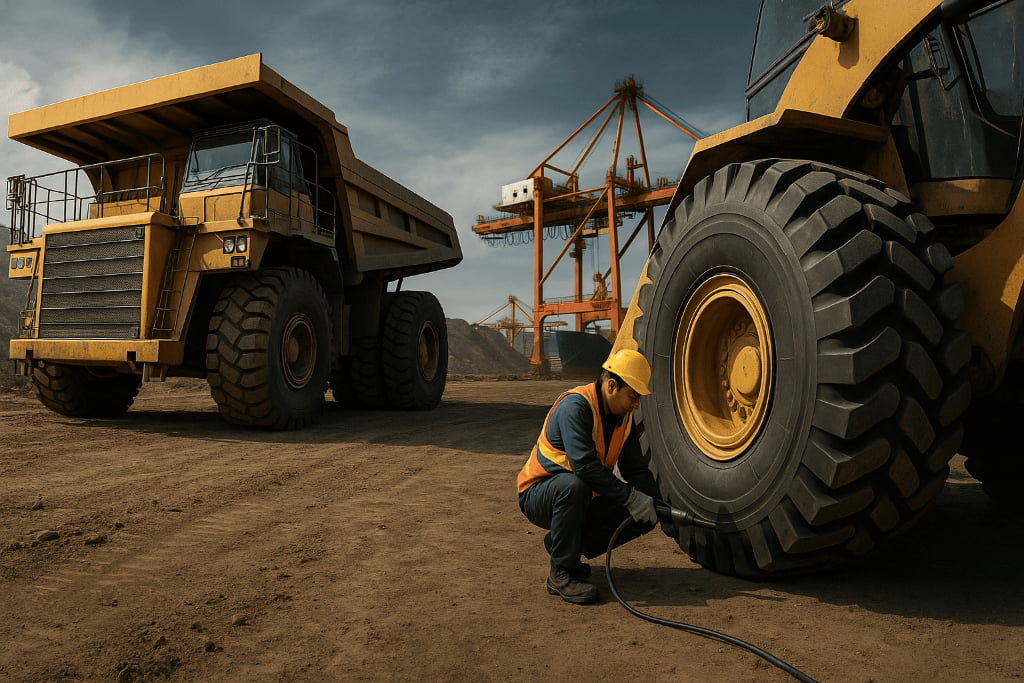
You see giant OTR tires and think only of massive rubber. This view makes you overlook the decades of strategy, technology, and supply chain mastery that built their market dominance.
OTR tire giants1 built dominance through massive R&D investments2, creating technological barriers3 in ultra-large sizes, and establishing global service networks4. Now, emerging players5 challenge this by offering reliable, cost-effective alternatives6 with flexible supply chains7, forcing a market shift from product to total service value.
I remember my early days in the business, seeing only the big three names on every major mining site. It felt like an unbreakable monopoly. But over the last decade, I've witnessed a dramatic shift firsthand. The very strategies that built these empires are now being challenged by new, agile forces. It’s no longer just about who makes the biggest tire. The game has changed completely, and understanding this shift is critical for any distributor or procurement manager today. Let's break down how the giants built their dominance and how the rules are being rewritten.
Why Do a Few Premium Brands Still Dominate the Giant Mining Tire Segment?
You need the largest mining tires and feel trapped by the limited options. The extreme prices and long lead times from the big brands seem impossible to escape, hurting your budget and timelines.
Premium brands like Michelin and Bridgestone dominate the ultra-large OTR segment8 (45”+) due to immense R&D barriers, proprietary manufacturing technology, and extreme engineering requirements. These factors make it incredibly difficult and expensive for new players to compete at this level of performance.
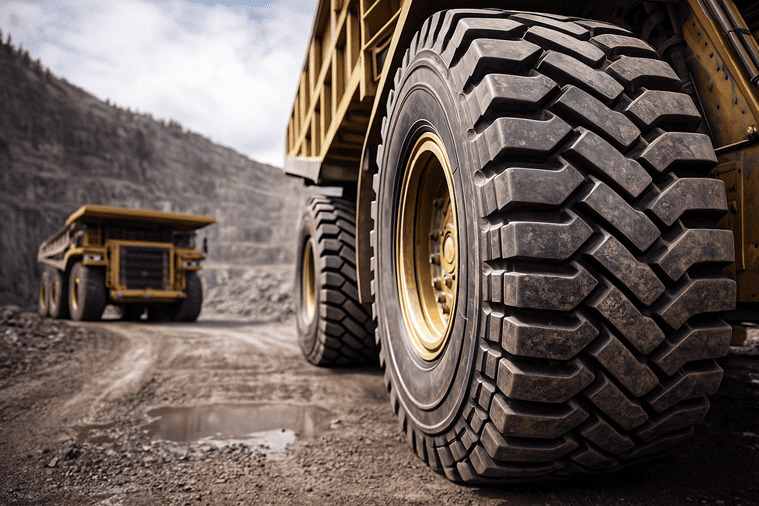
The market for giant mining tires—think 57" and 63" sizes—is a fortress. The giants built walls that are almost impossible to climb. It’s not just about making a big piece of rubber; it's about pure physics. These tires have to support hundreds of tons while resisting extreme heat and abrasion. The investment in research, materials science, and mold production for a single one of these sizes can run into the hundreds of millions of dollars. I spoke with an engineer who told me that a tiny flaw in the rubber compound could lead to a catastrophic, multi-million dollar failure on-site. This is why the premium brands9 guard their technology so closely. They built their dominance not just on branding, but on creating a technological moat that few can afford to cross.
The Barrier to Entry for Giant OTR Tires
| Factor | Giant Mining Tires (57"+) | Standard OTR Tires (<49") |
|---|---|---|
| R&D Investment | Extremely High (Proprietary compounds) | Moderate to High |
| Manufacturing Cost | Very High (Custom molds, complex process) | Manageable (Standardized processes) |
| Performance Risk | Catastrophic (Equipment loss, safety) | High (Downtime, operational cost) |
| Market Leaders | Handful of premium giants (Michelin, Bridgestone) | Dozens of brands competing |
How Are Asian Manufacturers Reshaping the Global Supply Chain?
You've always relied on European or American brands for quality. This makes you hesitant to trust Asian manufacturers10, fearing you'll sacrifice performance and reliability for a lower price.
Asian manufacturers10 like CEAT and Linglong are leveraging massive production capacity and flexible, modern logistics to deliver reliable tires quickly and affordably. They are not just competing on price; they are competing on availability and supply chain efficiency11.
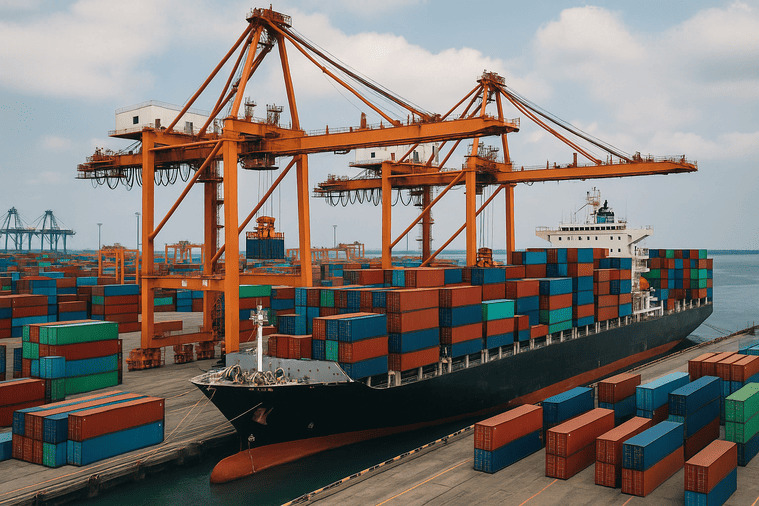
The biggest shift I've seen in the past decade is the rise of Asian manufacturing powerhouses. It’s no longer just about China. Brands from India, Thailand, and China are building a new kind of dominance. Their advantage isn't just a lower labor cost; that's an old story. Their real strength is in their supply chain. I have clients who used to wait months for a specific size from a European brand. Now, they can get a container of high-quality tires from an Asian partner like Prometeon or Otani in a matter of weeks. These manufacturers have invested heavily in modern production lines and global logistics. They can scale up production quickly to meet demand, and they can offer flexible options like mixed container loading, which is a huge benefit for distributors trying to manage their inventory. They've turned logistics from a weakness into a competitive weapon.
Why Is Service Becoming More Important Than the Product Itself?
You focus all your energy on negotiating the lowest price per tire. This product-centric view causes you to ignore hidden costs like downtime and the value of strong after-sales support.
Because in heavy-duty operations, equipment downtime is far more expensive than the cost of a tire. Availability, fast delivery, and on-site support are becoming the real differentiators, as fleet managers now calculate the total cost of ownership12, not just the purchase price.
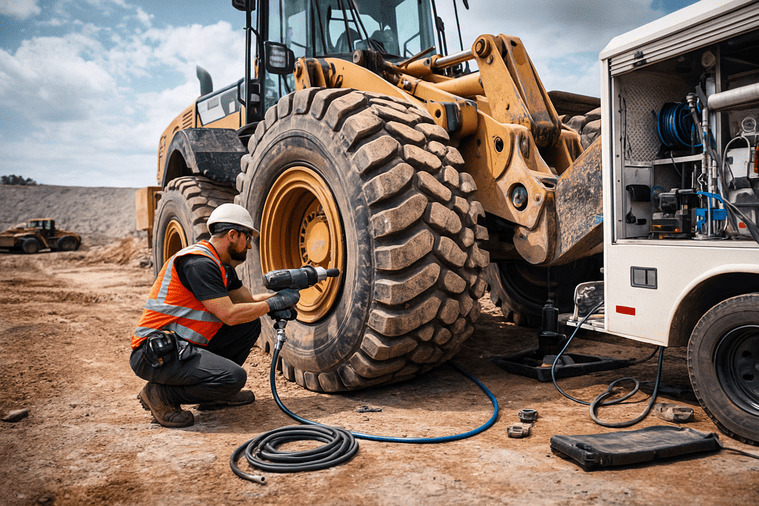
I had a customer who ran a large construction fleet. He was obsessed with getting the lowest unit price on his tires. One day, a critical loader went down with a flat tire, and his supplier couldn't get a replacement for 48 hours. That delay cost him tens of thousands of dollars, completely wiping out any savings he had made on his tire purchases for the year. That was his turning point. He realized that the tire itself is just one part of the equation. Now, he asks suppliers about their inventory levels, their delivery guarantees, and their ability to provide on-site service. The conversation has shifted from "How much does it cost?" to "How quickly can you solve my problem?" This is where agile suppliers13 win. Having the right tire in stock and being able to deliver it immediately is a service that is often more valuable than the product itself.
How Are Distributors Adapting to This New Market Reality?
You have a long-standing exclusive partnership with one major brand. While this feels safe, it also ties your success to their pricing, availability, and strategic decisions, reducing your flexibility and margins.
Smart distributors are moving to multi-brand strategies14. They partner with a premium brand for high-tech needs, a reliable mid-tier brand for volume segments, and an agile supplier for niche solutions, allowing them to offer the perfect tire for every customer and application.
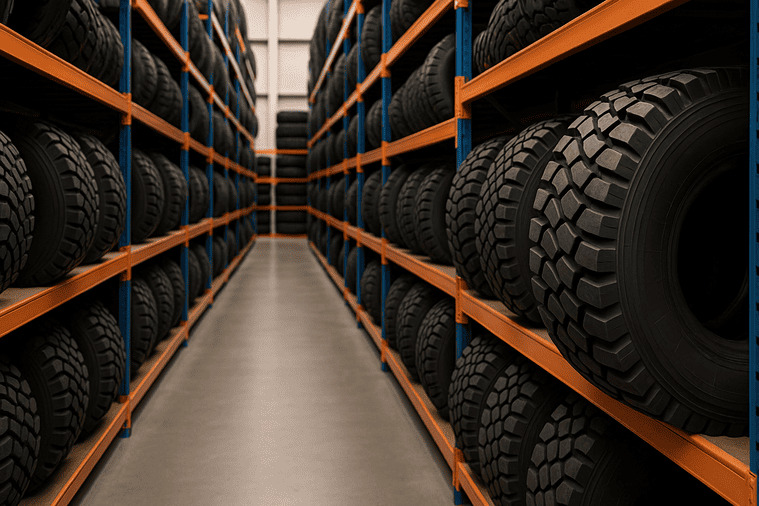
The smartest distributors I work with today look like portfolio managers. They no longer put all their eggs in one basket. They know that no single brand can be the best solution for every customer. So, they build a diversified portfolio15. They might carry Michelin for the giant mining clients who demand the absolute best. They'll stock a dependable mid-tier brand like Magna or Hankook for their construction and industrial customers who need a balance of performance and price. And they'll partner with a flexible manufacturer like us for custom orders, smaller quantities, and hard-to-find sizes. This strategy protects them from supply chain disruptions from any single brand. More importantly, it allows them to be true solution providers for their customers, rather than just salespeople for one company. It gives them control over their own business.
Conclusion
The OTR tire market, once ruled by a few giants, is now a dynamic arena. Success depends on balancing technology, cost, service, and a smart, multi-brand supply chain strategy.
Explore how OTR tire giants leveraged R&D and technology to dominate the market. ↩
Learn about the importance of R&D in creating competitive advantages in tire manufacturing. ↩
Understand the technological challenges that new entrants face in the OTR tire industry. ↩
Discover how global service networks enhance customer support and service in the tire industry. ↩
Find out about new competitors challenging established tire brands and their strategies. ↩
Explore how cost-effective alternatives are reshaping the tire market landscape. ↩
Learn how flexible supply chains improve efficiency and responsiveness in tire production. ↩
Understand the unique characteristics and challenges of the ultra-large OTR tire segment. ↩
Investigate the factors that contribute to the dominance of premium tire brands in the market. ↩
Discover the impact of Asian manufacturers on global tire production and supply chains. ↩
Learn how supply chain efficiency can enhance competitiveness in the tire market. ↩
Understand how total cost of ownership influences purchasing decisions in the tire industry. ↩
Learn about the characteristics of agile suppliers and their role in the tire industry. ↩
Explore how multi-brand strategies can enhance flexibility and customer satisfaction for distributors. ↩
Discover the advantages of maintaining a diversified portfolio in tire distribution. ↩