
You've ordered new irrigation tires, but they fail prematurely. Now you're facing costly downtime1 and budget overruns2, questioning both your supplier and your own specifications.
To avoid ordering the wrong irrigation tire, you must ask five critical questions about its real-world load3, ground conditions4, lateral forces5, previous failure modes6, and hardware compatibility7. This moves beyond basic specs to ensure a perfect match for your unique operational demands.
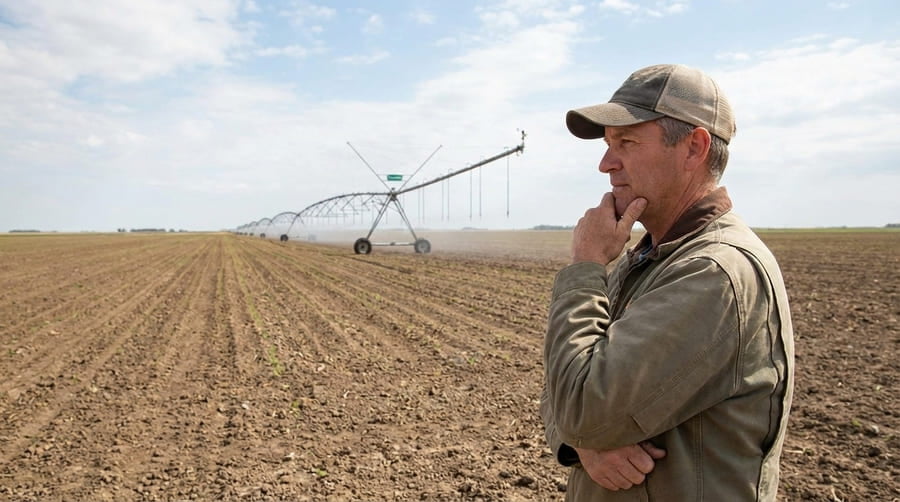
I once worked with a client who was stuck in a frustrating cycle. They managed a massive farm and kept ordering the same spec tire for one of their pivots, only to see it fail in the same way every season—bead damage8. They were focused on the initial price per unit, assuming the spec was correct. They never stopped to ask why the old tires were failing. Once we analyzed the failure mode, we realized the issue wasn't the load, but a mismatch with the rim. A simple change in specification solved a problem that had cost them thousands in replacements and downtime.
What Is the Irrigation Tire's Actual Workload, Not Just the Rated Load?
You check the tire's load rating9, and it matches the pivot's weight. But tires are still failing, leaving you wondering what you missed in your simple calculations.
The actual workload includes not just static weight but also seasonal operational hours and environmental factors10 like extreme heat. A tire that is adequate for a 1,000-hour season might fail prematurely in a 2,000-hour season due to accumulated heat and fatigue.
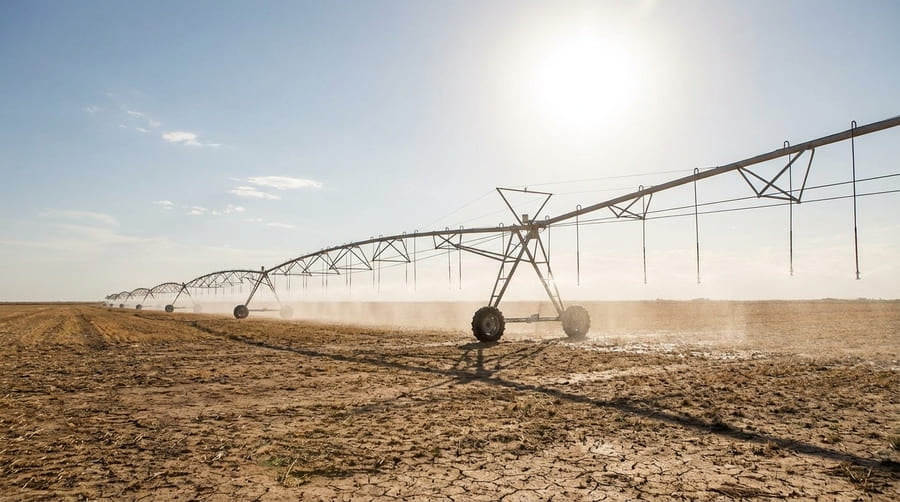
A irrigation tire's load rating9 in a catalog is just a starting point. It’s a number determined in a controlled lab environment. But your fields are not a lab. A pivot that runs for 2,000 hours in a hot, dry season puts far more stress on its tires than the same pivot running for 800 hours in a cooler climate. The constant flexing generates internal heat11, and high ambient temperatures prevent the tire from cooling down effectively. This sustained heat degrades the rubber compounds and weakens the internal structure, even if the nominal load seems correct. You have to think about load over time and in your specific environment, not just as a static number on a spec sheet.
Real-World Workload Comparison
| Factor | Scenario A: Light Use | Scenario B: Heavy Use |
|---|---|---|
| Seasonal Hours | 800 hours | 2,000 hours |
| Average Temp | 25°C (77°F) | 35°C (95°F) |
| Resulting Stress | Low-to-moderate fatigue | High heat, accelerated aging |
| Tire Requirement | Standard-duty tire is likely OK | Heavy-duty, heat-resistant tire needed |
How Do Your Ground Conditions Define the Irrigation Tire's Real Stress Test?
You've specified a standard tire for all your fields. But performance varies wildly, with some tires lasting years and others failing in months, even on the same pivot models.
Different ground conditions4 create entirely different stress profiles. Soft soil causes extreme flexing, hard or rocky ground leads to impact damage, and slopes add constant lateral strain. A single tire spec is rarely suitable for all conditions.
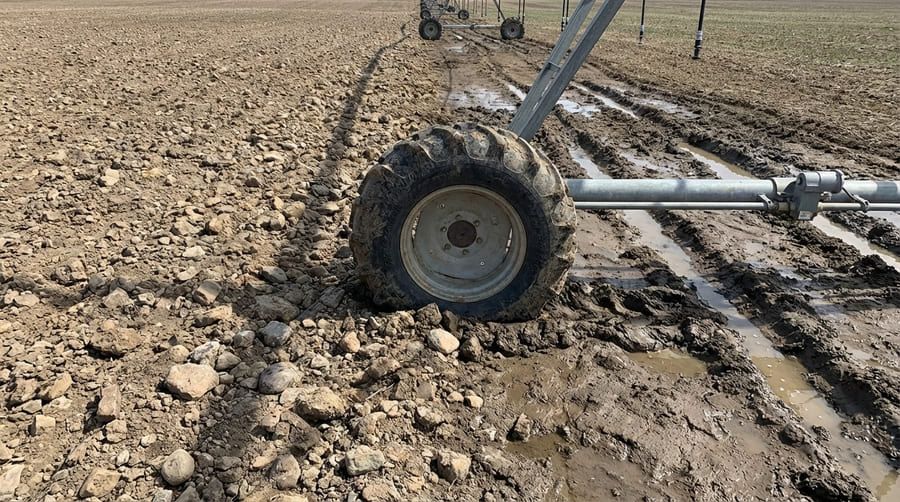
You wouldn't wear hiking boots to the beach, yet we often expect one type of irrigation tire to perform everywhere. Each soil type is a unique challenge. Soft, muddy soil forces the tire to flex excessively to stay afloat, which generates heat and fatigues the sidewalls. In contrast, hard, compacted, or rocky ground doesn't cause much flexing, but every stone is a potential impact point that can bruise the tire's internal carcass, leading to a sudden blowout weeks later. Hilly or sloped terrain introduces a constant sideways push, putting immense stress on the bead area where the tire meets the rim. Matching the tire's construction12—be it a reinforced sidewall for soft ground or a tougher tread compound for rocky fields—to your specific ground conditions4 is not an option; it's a necessity for reliable performance.
Are You Accounting for Turning and Lateral Forces?
The pivot moves slowly, so you assume the forces are minimal. But the irrigation tires on the outer towers are wearing out much faster, and you're seeing unexpected damage.
The outer towers of a pivot travel much farther and are subjected to frequent turning and side-loading13. These lateral forces5 can accelerate carcass fatigue and cause bead-related issues, even if the vertical load seems perfectly acceptable.
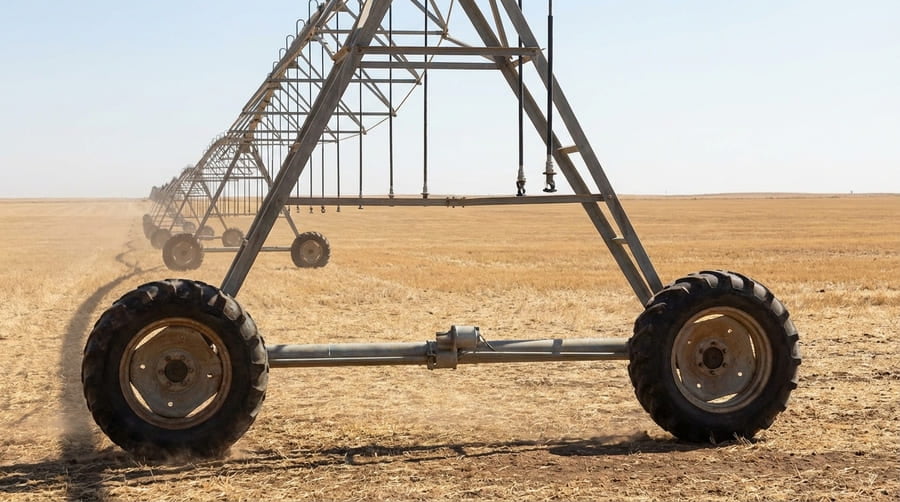
Imagine the difference in distance traveled by the innermost tower versus the outermost tower. The outer towers can travel miles more over a season. More importantly, they are constantly being pulled sideways as the pivot aligns itself. This constant side-loading13 puts a twisting stress on the tire's structure. The tire wants to go straight, but the pivot is forcing it to scrub sideways. This action generates friction and heat, especially on the sidewalls and the bead area. Over time, this stress can weaken the bond between the tire and the rim, leading to air loss or even causing the tire to unseat completely. If you see tires on outer towers failing more often, it's a clear sign that you need a irrigation tire with a stronger bead and more robust sidewall construction to handle these lateral forces5.
Why Did the Old Tire Actually Fail?
You see a failed tire, so you order a replacement. But by throwing the old one away without a second look, you are discarding the most valuable data you have.
The failure mode of the old tire is critical diagnostic data. Whether it failed from tread wear14, a sidewall blowout, or bead damage8 tells you exactly what kind of stress your new tire must be equipped to handle.
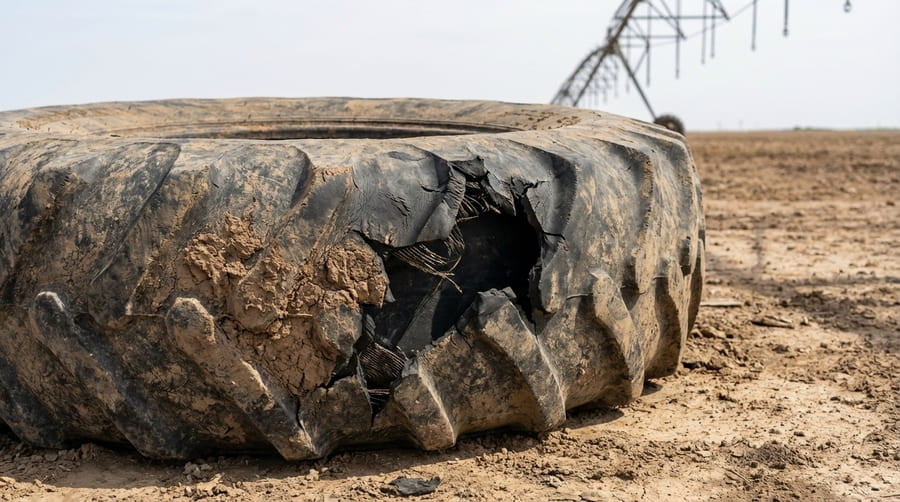
Before you order a replacement, you must become a detective. Look closely at the failed tire.
- Is the tread worn out evenly? If so, congratulations, you got the full life out of it. This is a simple "wear and tear" replacement.
- Is there a large hole or tear in the sidewall? This often points to fatigue from underinflation or excessive flexing in soft soil.
- Is the bead area damaged or torn? This suggests problems with lateral forces5, improper mounting, or a mismatch between the tire and the rim.
- Is the damage from a puncture or impact? This tells you that you need a tire with a more robust tread and carcass to handle field debris or rocky conditions.
By identifying the cause of death, you can choose a new tire designed to resist that specific type of failure. Simply replacing it with the same model is asking for the same problem to happen again.
Are the Irrigation Tire and Rim a Perfect Match?
You've selected a tire with the right load rating9 and size. But if it's not perfectly matched to the rim, you are setting it up for a slow and costly failure.
A tire's performance depends on a perfect fit with the rim. An incorrect rim width or flange shape can cause poor bead seating, leading to air loss, rotational slipping15 on the rim, and eventual bead failure.
[image placeholder]
The irrigation tire and rim work together as a system. The tire's beads are designed to lock into a specific rim profile16. If the rim is too narrow, it will pinch the beads, causing the tire to bulge incorrectly and putting strain on the sidewalls. If the rim is too wide, the beads may not seat securely, increasing the risk of the tire unseating under side load or even just from the torque of the drivetrain17. Furthermore, the shape of the rim flange18 is critical. Using a tire on an old or incompatible rim style can create a weak point where the bead is constantly chafed and stressed. Verifying that the rim width and design are an exact match for the tire manufacturer's recommendation is one of the easiest and most important checks you can perform to prevent a whole class of tire failures.
Conclusion
To avoid ordering the wrong irrigation tire, move beyond basic specs. By asking these five targeted questions, you can diagnose your real needs and invest in a solution that lasts.
Understanding how to minimize costly downtime can save you money and improve efficiency in your agricultural operations. ↩
Preventing budget overruns is crucial for maintaining financial stability in farming operations. ↩
Calculating the real-world load ensures you choose the right tire, preventing premature failure and saving costs. ↩
Knowing how ground conditions impact tire performance helps in selecting the right tire for different terrains. ↩
Understanding lateral forces can help you choose tires that withstand these stresses, reducing failure rates. ↩
Analyzing past failures helps in selecting tires that are less likely to fail under similar conditions. ↩
Ensuring hardware compatibility prevents issues like air loss and bead failure, extending tire life. ↩
Identifying causes of bead damage can help prevent it, saving on replacement costs and downtime. ↩
Understanding load rating ensures you choose a tire that can handle your specific operational demands. ↩
Considering environmental factors helps in selecting tires that can withstand specific climate conditions. ↩
Managing internal heat is crucial for preventing tire degradation and ensuring longevity. ↩
Choosing the right tire construction for your terrain ensures better performance and durability. ↩
Understanding side-loading effects helps in selecting tires that can handle these stresses, reducing wear. ↩
Analyzing tread wear can provide insights into tire performance and necessary adjustments. ↩
Preventing rotational slipping is key to maintaining tire integrity and performance. ↩
Matching the rim profile with the tire ensures proper fit and prevents failures like air loss. ↩
Understanding drivetrain torque effects helps in selecting tires that can withstand these forces, preventing failures. ↩
The right rim flange design ensures proper bead seating, preventing failures and extending tire life. ↩