
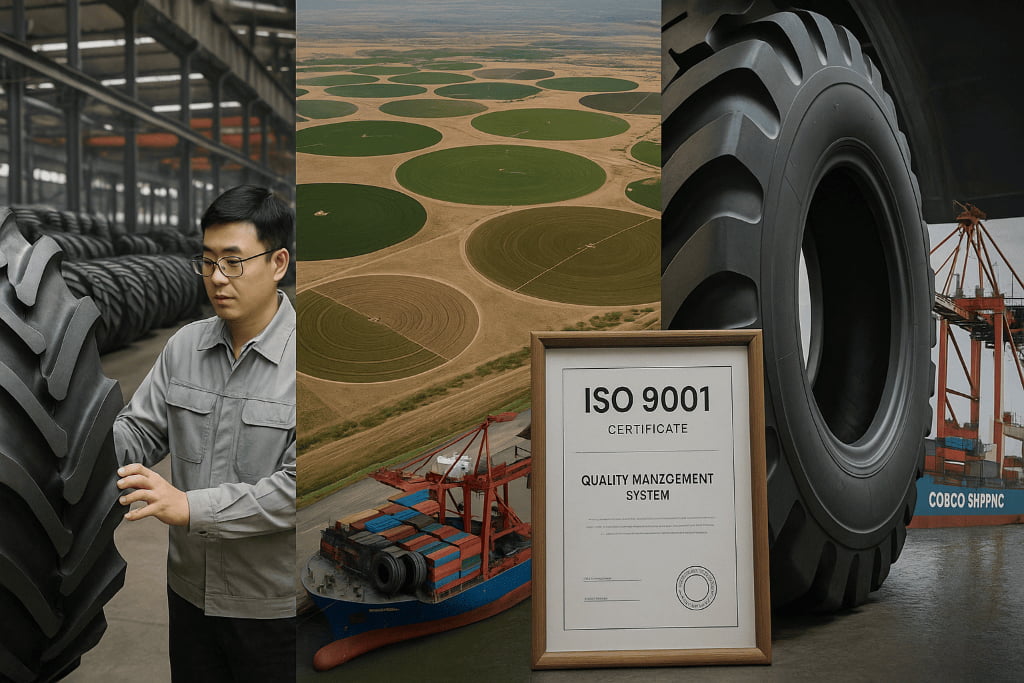
You see the massive competition in the tractor and truck tire markets. You're fighting for every order, but margins are shrinking. This intense focus on crowded sectors is blinding you to a quieter, more strategic growth market.
Chinese exporters1 can capture this market by leveraging their manufacturing cost advantages to produce high-quality, specialized tires2. They must focus on building OEM relationships3 and targeting emerging agricultural regions4 where mechanized irrigation5 is expanding rapidly.
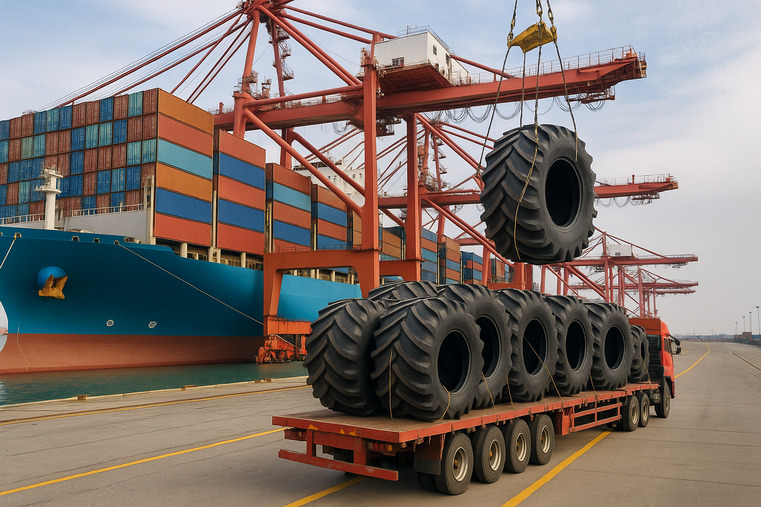
A few years ago, I was speaking with a fellow exporter who was incredibly frustrated. He had a great factory and competitive pricing, but he was constantly being undercut on large truck tire tenders. He was convinced the export market was just a race to the bottom. I asked him what he knew about the irrigation tire market6. He shrugged it off as "too small." I shared some data with him about government-backed agricultural projects7 in Africa that were installing hundreds of center-pivot systems. He decided to take a small risk and developed a specialized irrigation tire line. Today, that "small" market is his most profitable segment. He succeeded not by fighting everyone head-on, but by finding a strategic niche where his manufacturing strengths offered a real advantage.
What Is the Winning Strategy Beyond Just Low Prices?
You believe that as a Chinese exporter, your biggest and only advantage is offering the lowest price. You are preparing to enter the irrigation tire market6 by simply undercutting everyone else.
The winning strategy is not just being the cheapest. It's about combining cost-effectiveness with high-quality, reliable products and building direct relationships with irrigation system manufacturers (OEMs) and large-scale distributors.
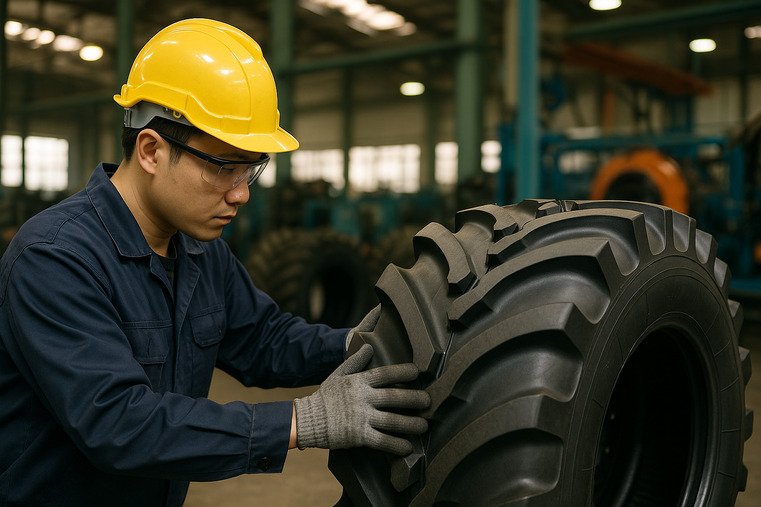
Many of my peers fall into the trap of thinking price is everything. In the irrigation tire market6, that is a dangerous mistake. An irrigation system is a massive investment for a farmer. The tires may seem like a small component, but if one fails, the entire system can go down, risking the crop. Serious buyers, especially OEMs, are looking for reliability and consistency, not just a bargain. The best strategy is to leverage China's incredible production efficiency8 to deliver a high-quality, specialized product at a competitive price point. This is about value, not just cost. By proving you can deliver certified, durable tires on time, you can become a trusted OEM partner. These relationships are far more valuable and stable than competing for one-off deals in the replacement market. It's a shift from being a low-cost supplier to a strategic partner.
Comparing Go-to-Market Strategies
| Aspect | Price-Only Strategy | Value-Driven Strategy |
|---|---|---|
| Primary Focus | Lowest unit cost | Product reliability and performance |
| Target Customer | Small traders, price-sensitive buyers | OEMs, large distributors, professional farms |
| Key Selling Point | "We are the cheapest." | "Our tires prevent downtime and protect your investment." |
| Relationship | Transactional, short-term | Partnership-based, long-term |
| Long-Term Result | Low margins, high competition | Higher margins, stable demand, brand reputation |
Which Emerging Markets Offer the Best Entry Points?
You know the growth is in "emerging markets," but this is a vague term. You risk wasting time and money targeting countries that aren't ready for this technology or already have established suppliers.
The best entry points are in Sub-Saharan Africa, Southeast Asia, and parts of South America. Focus on countries with growing water scarcity9, government support for agricultural mechanization, and increasing foreign investment10 in large-scale farming projects.
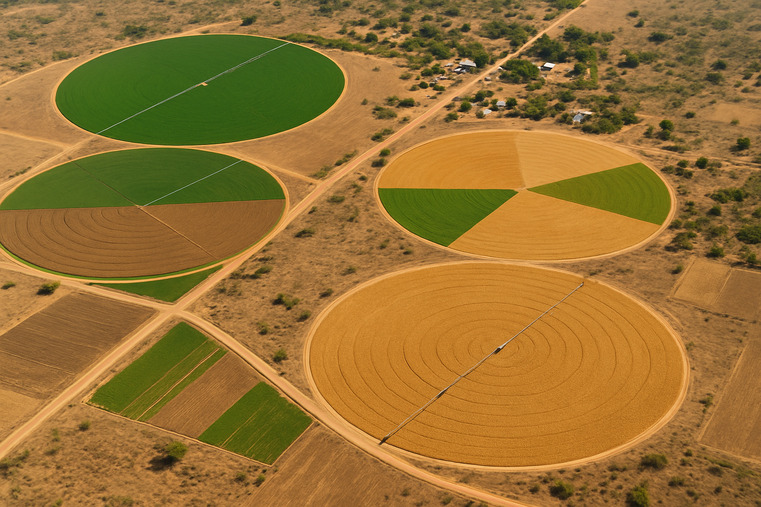
While North America is a mature market, the real growth story is happening elsewhere. You have to be strategic about where you look. I have found the most success by following the investment. Look for countries where the government, the World Bank, or large multinational food companies are funding projects to improve food security. These projects almost always involve a move to more efficient, mechanized irrigation5. Countries like Ethiopia, Nigeria, Vietnam, and Brazil are prime examples. They have the need (water scarcity9 and growing populations), the land, and now, the investment to modernize their agricultural sectors. Don't just look at a country's total agricultural output. Instead, research specific government initiatives and corporate farming ventures. That's where you will find the real demand for hundreds or thousands of irrigation tires before your competitors do. It requires more research, but it leads to much more valuable opportunities.
Key Indicators for Market Entry
| Indicator | Why It Matters | Example Regions |
|---|---|---|
| Water Stress Index | High water stress forces adoption of efficient irrigation. | North Africa, Sub-Saharan Africa, Central Asia |
| Government Ag-Policy | Subsidies or programs for mechanization create demand. | India, Vietnam, Brazil |
| Foreign Direct Investment | Large-scale corporate farms are primary buyers of systems. | Ethiopia, Zambia, Colombia |
| Local OEM Presence | Lack of strong local manufacturing opens doors for imports. | Most of Southeast Asia and Africa |
How Can Exporters Overcome Moderate Entry Barriers?
You see the opportunity, but you also see barriers. You need to meet international standards, handle complex logistics, and convince skeptical buyers. You worry it's too difficult to break in.
Exporters overcome these barriers by securing essential certifications (like ISO 9001), offering flexible logistics11 (like mixed container loads), and building trust through customization options12 and proven product quality.
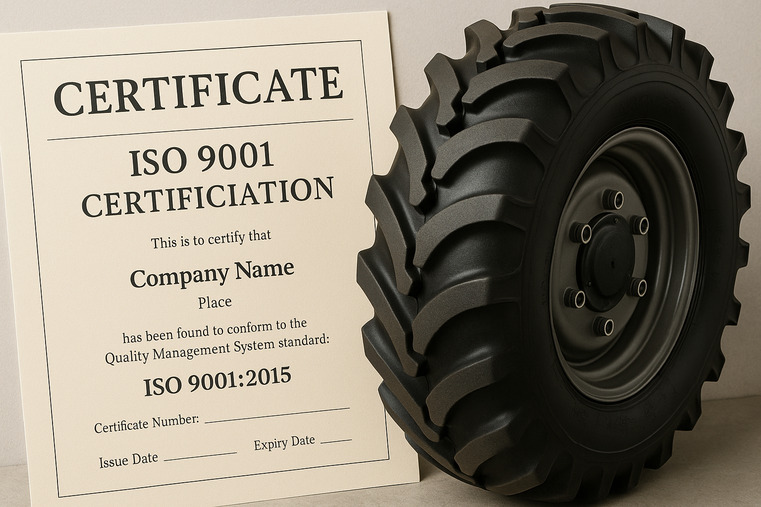
The barriers to entry in this niche are real, but they are surmountable with the right approach. First, you cannot compromise on quality. Buyers will ask for certifications like ISO 9001, so this is a basic requirement. Having a documented quality control process from raw materials to final inspection is your most powerful sales tool. Second, be flexible. Many new distributors or large farms want to trial these tires without committing to a massive single order. Offering services like mixed container loading (allowing them to combine irrigation tires with other products) and low minimum order quantities (MOQs) is a huge advantage. Finally, offer customization. We've won deals by agreeing to invest in a custom mold for a client with a specific need. It shows you're a serious partner, not just a trader. These actions build the trust needed to convince a buyer to switch from a more established, and likely more expensive, European or American brand.
Conclusion
To capture the irrigation tire market6, Chinese exporters1 must move beyond price. Focus on quality, build OEM partnerships, target high-potential emerging markets, and use flexible service to build trust.
Explore how Chinese exporters can leverage their strengths to capture niche markets effectively. ↩
Learn about specialized tires and how they can meet specific agricultural needs. ↩
Discover strategies for establishing valuable partnerships with OEMs for long-term success. ↩
Find out about the fastest-growing agricultural regions and their market potential. ↩
Learn about mechanized irrigation and how it transforms agricultural practices. ↩
Understand the dynamics of the irrigation tire market and its opportunities for exporters. ↩
Explore how these projects can create demand for specialized tires in emerging markets. ↩
Discover the importance of production efficiency in delivering high-quality products. ↩
Learn about the challenges posed by water scarcity and its impact on farming. ↩
Understand the role of foreign investment in modernizing agricultural sectors. ↩
Explore how flexible logistics can enhance market entry strategies for exporters. ↩
Learn how offering customization can help manufacturers meet specific client needs. ↩